TRUMP Token Collapse: Political Crypto Projects Face Scrutiny and Steep Losses
A sharp and sustained decline in the value of the TRUMP token and similar digital assets is putting a harsh spotlight on cryptocurrency projects linked to political figures. As of April 2026, investors are facing significant losses, while U.S. lawmakers and regulators are raising questions about the risks these ventures pose. The situation moves beyond market volatility into deeper ethical and regulatory territory.
The TRUMP Token’s Steep Decline
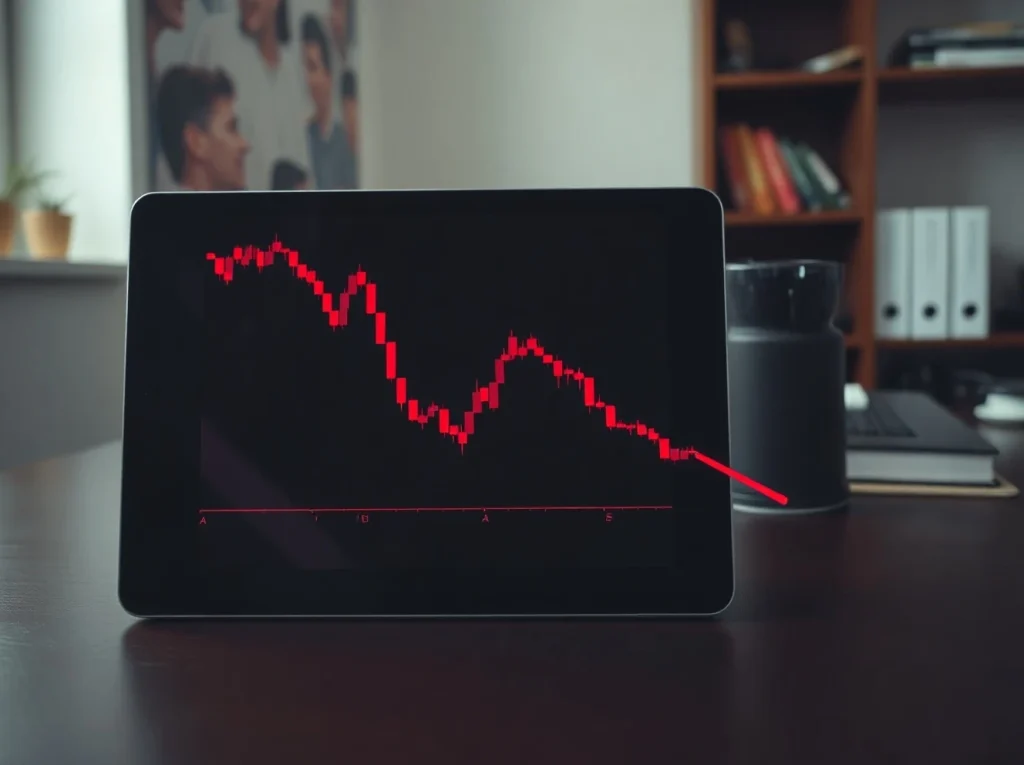
Data from CoinGecko shows the TRUMP token, a cryptocurrency created on the Solana blockchain and unofficially linked to former President Donald Trump, has lost over 60% of its value from its peak earlier this year. This isn’t an isolated event. Other politically-themed tokens have followed a similar downward trajectory. The collective sell-off has wiped out tens of millions of dollars in perceived market value within weeks.
Also read: CZ Says Binance KYC Compliance Led to His Prison Term, While Hyperliquid Operates Without KYC
Market analysts point to several factors. First, a broader cooling in the meme coin sector has reduced speculative appetite. Second, and more specific, is a growing investor realization that these tokens possess no official connection to the political figures they reference. They offer no equity, dividend, or governance rights in any campaign or political action committee. Their value is almost purely speculative and sentiment-driven.
Key data points from the sell-off:
Also read: Hyundai Card Tests Stablecoin Payments Between US and Mexico Subsidiaries
- TRUMP (Solana): Down ~65% from its 2026 high.
- Trading Volume: Dropped over 80% since the peak, indicating fading interest.
- Market Cap Erosion: Collective value of major politically-linked tokens fell by hundreds of millions.
Regulatory and Political Attention Intensifies
The price collapse has drawn immediate attention from Capitol Hill. Senator Elizabeth Warren (D-MA) referenced the volatility in recent remarks, reiterating her call for stricter application of securities laws to the crypto market. “When investors get burned by speculative assets that promise connections they don’t have, it’s a warning sign,” she stated in a Senate hearing earlier this month.
The Securities and Exchange Commission (SEC) has long maintained that many cryptocurrencies are investment contracts and thus subject to its rules. While the SEC has not specifically targeted the TRUMP token with enforcement action, the agency’s broader crackdown on unregistered securities offerings creates a fraught environment. Legal experts suggest these political tokens could be vulnerable to scrutiny under the Howey Test, which defines a security.
“The lack of any formal affiliation is a major legal liability,” said a financial law professor at Georgetown University, who asked not to be named discussing potential enforcement targets. “If a promoter implies an endorsement or a material relationship that doesn’t exist, that crosses into the territory of fraud. The steep declines now are putting those claims to the test.”
The Investor Protection Problem
For retail investors, the risks are pronounced. These tokens are often highly illiquid, meaning large sell orders can crater the price instantly. Social media hype plays an outsized role in driving prices, creating a pump-and-dump risk. The recent collapse shows how quickly sentiment can reverse.
Blockchain analytics firm Chainalysis reported a surge in social media mentions correlating with the token’s price peaks, followed by a rapid decline in engagement as prices fell. This pattern is common in assets driven by online communities rather than fundamental utility. The implication is clear: latecomers to the trend bore the brunt of the losses.
Broader Impact on Political Fundraising and Crypto
The fallout extends beyond trader losses. It complicates the legitimate intersection of politics and digital assets. Major political campaigns, including Trump’s, have begun accepting cryptocurrency donations through regulated payment processors. These are distinct from speculative tokens like the TRUMP coin.
However, the token’s collapse risks creating guilt by association. It could make voters and donors more skeptical of any crypto-related political activity. Furthermore, it provides ammunition for critics who argue the crypto space is rife with scams and requires heavier oversight.
“This episode is a case study in the risks of unregulated crypto markets,” noted a policy analyst at the Brookings Institution. “It distracts from serious conversations about blockchain technology’s potential in governance and campaign finance. The narrative becomes about fraud and loss, not innovation.”
What this means for investors is a need for extreme caution. Politically-branded cryptocurrencies are among the riskiest speculative assets. They are subject to regulatory uncertainty, volatile sentiment, and often have no underlying claim or utility.
Market Response and Future Scrutiny
In the wake of the declines, trading activity has dried up. This suggests a loss of confidence that may be permanent for these specific assets. The market is signaling that novelty alone cannot sustain value. Industry watchers note that this could lead to a cooling period for celebrity or politician-themed tokens more broadly.
Meanwhile, congressional committees are likely to examine the phenomenon. The House Financial Services Committee has previously held hearings on crypto and may use this event to highlight investor protection gaps. The Consumer Financial Protection Bureau (CFPB) could also issue consumer advisories about the risks of speculative digital assets.
This could signal a more aggressive posture from state regulators as well. New York Attorney General Letitia James has actively pursued crypto firms, and her office may view these tokens as potential targets for investor protection actions.
Conclusion
The TRUMP token collapse serves as a stark reminder of the high risks in certain corners of the cryptocurrency market. It highlights the perils of assets whose value is tied to sentiment and implied affiliations rather than tangible fundamentals. The event has successfully drawn regulatory and political scrutiny to politically-linked crypto projects. For the market to mature, analysts argue, it must move beyond such highly speculative instruments. The focus must shift to projects with clear utility and compliance, or risk inviting the very regulatory crackdown the industry often seeks to avoid.
FAQs
Q1: What is the TRUMP token?
The TRUMP token is a cryptocurrency created on the Solana blockchain. It is not officially issued, endorsed, or controlled by former President Donald Trump or his campaign. It is a speculative digital asset whose value is driven by market sentiment.
Q2: Why did the TRUMP token price collapse?
The price fell due to a combination of fading speculative interest, a broader downturn in meme coins, and growing investor recognition that the token has no official political connection or underlying utility. This led to a rapid sell-off.
Q3: Are politicians responsible for tokens named after them?
Generally, no. Unless a politician or campaign actively promotes or sponsors a token, they are not legally liable for its market performance. However, such tokens can create reputational risks and attract regulatory scrutiny to the political figure’s broader activities.
Q4: What are the regulatory risks for these tokens?
Regulators like the SEC may view them as unregistered securities if they are marketed as an investment. Claims of an implied endorsement could also be investigated as potentially fraudulent. Their collapse increases the likelihood of regulatory examination.
Q5: How is this different from a political campaign accepting crypto donations?
Campaigns that accept crypto do so through registered payment processors for legitimate donations, which are subject to campaign finance laws. These are distinct from speculative, publicly traded tokens like the TRUMP coin, which are not controlled by the campaigns and offer no donation receipt.
Q6: Should investors avoid politically-linked crypto?
Financial advisors consistently warn that such tokens are extremely high-risk, speculative investments. They are prone to volatility, illiquidity, and regulatory uncertainty. Investors should thoroughly research any asset and understand that these tokens often have no fundamental value beyond trader sentiment.