The Education Gap: Why Most Trading Platforms Fail to Teach You How to Trade
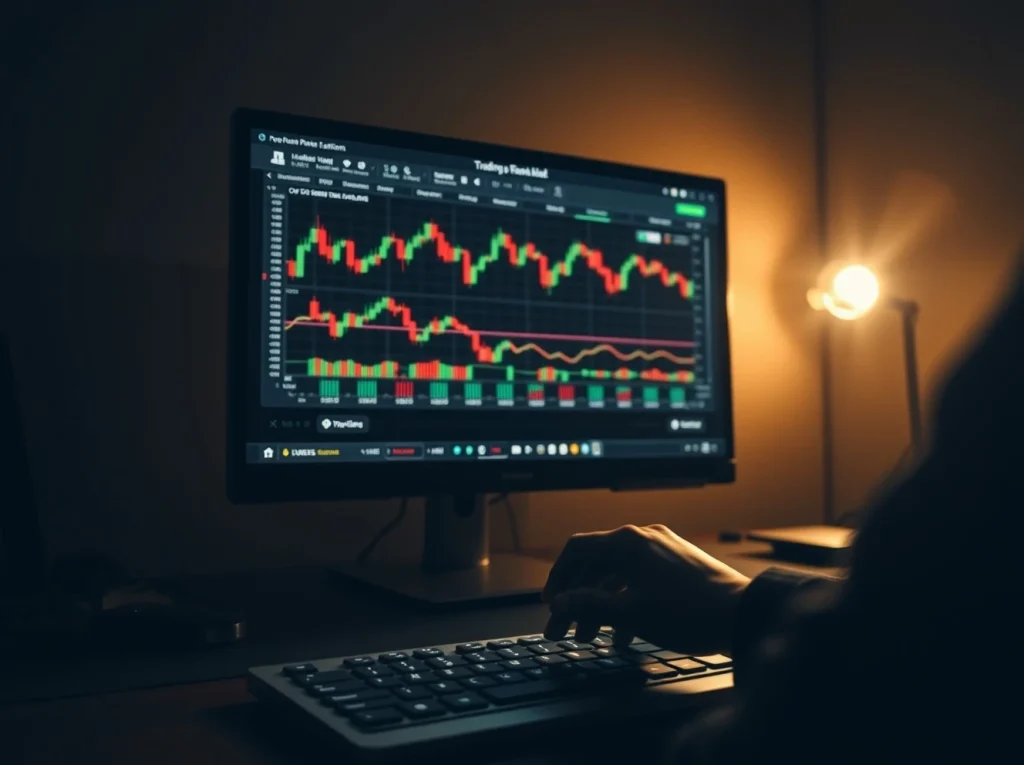
The promise of modern trading platforms is seductive: instant access to global markets, real-time data, and the ability to execute trades with a single click. Yet for the vast majority of retail traders, this promise remains unfulfilled. The reason is not a lack of ambition or intelligence, but a structural flaw in the platforms themselves. Most trading platforms are designed to help transactions, not to teach users how to trade effectively. This fundamental misalignment leaves countless traders ill-equipped to handle the complexities of financial markets, often with costly consequences.
The Transaction vs. Education Conflict
Trading platforms, particularly those in the cryptocurrency space, operate on a business model that prioritizes volume. Revenue is generated through spreads, commissions, and transaction fees. The more trades a user executes, the more the platform earns. This creates an inherent conflict of interest. Platforms have little financial incentive to educate users on strategies that might reduce trading frequency, such as long-term holding or disciplined risk management. Instead, the user interface, notifications, and default settings often encourage rapid, frequent trading, which studies show is a primary driver of retail losses.
Also read: NIGHT Price Stays Under Pressure Despite Midnight’s Token Terminal Partnership
What Platforms Leave Out
A typical platform onboarding process focuses on identity verification, deposit methods, and a tour of the interface. What is conspicuously absent is any substantive education on market analysis, order types beyond market and limit, position sizing, or the psychological pitfalls of trading. Users are given tools without instruction, akin to handing someone a surgical kit without medical training. Key educational gaps include:
- Risk management: How to calculate position size based on account equity and risk tolerance.
- Market structure: Understanding support, resistance, trends, and volume as objective concepts, not just visual noise.
- Order book dynamics: The difference between market depth, spread, and slippage, and how they affect execution.
- Behavioral finance: Recognizing fear, greed, and confirmation bias as predictable threats to rational decision-making.
The Regulatory and Commercial Reality
Why Education Is Not a Priority
Regulatory frameworks in many jurisdictions require platforms to provide risk warnings, but these are often boilerplate disclaimers buried in terms of service. Few jurisdictions mandate comprehensive trader education as a condition of offering trading services. Commercially, platforms invest heavily in user acquisition and interface design, but educational content is often relegated to blog posts or YouTube videos that are separate from the core trading experience. This separation means that even when education exists, it is not integrated into the moment of decision-making, where it would be most valuable.
Also read: Telegram-Linked TAC Token Crashes 90% in 15 Minutes: What Happened?
What Traders Can Do
For traders seeking genuine skill development, the current arena demands a proactive approach. Relying solely on a platform for education is a mistake. Independent learning through reputable courses, paper trading to test strategies without financial risk, and joining communities focused on disciplined trading rather than signal-following are essential steps. The most successful traders treat the platform as a tool, not a teacher. They understand that the platform’s interests and their own are not aligned, and they act accordingly.
Conclusion
The gap between platform design and trader education is not an oversight; it is a structural feature of the current financial technology ecosystem. Until regulatory pressure or market competition forces platforms to prioritize user competence over transaction volume, the burden of education will remain on the individual trader. Recognizing this reality is the first step toward trading with clarity and discipline, rather than falling into the cycle of uninformed speculation that platforms inadvertently encourage.
FAQs
Q1: Why don’t trading platforms offer built-in education?
Most platforms earn revenue from trade volume and have limited incentive to educate users in ways that might reduce trading frequency. Education is also costly to develop and maintain, and is not currently mandated by most regulators.
Q2: Can I learn to trade effectively using only a platform’s resources?
Generally, no. Platform-provided resources are often basic or promotional. Independent learning from verified educational sources, combined with paper trading, is recommended before committing real capital.
Q3: What is the most important skill most platforms fail to teach?
Risk management, specifically position sizing and stop-loss placement, is the most critical skill. Without it, even accurate market predictions can lead to significant losses.