Tether MDK for Bitcoin Miners: A Powerful Open-Source Upgrade to Mining Infrastructure
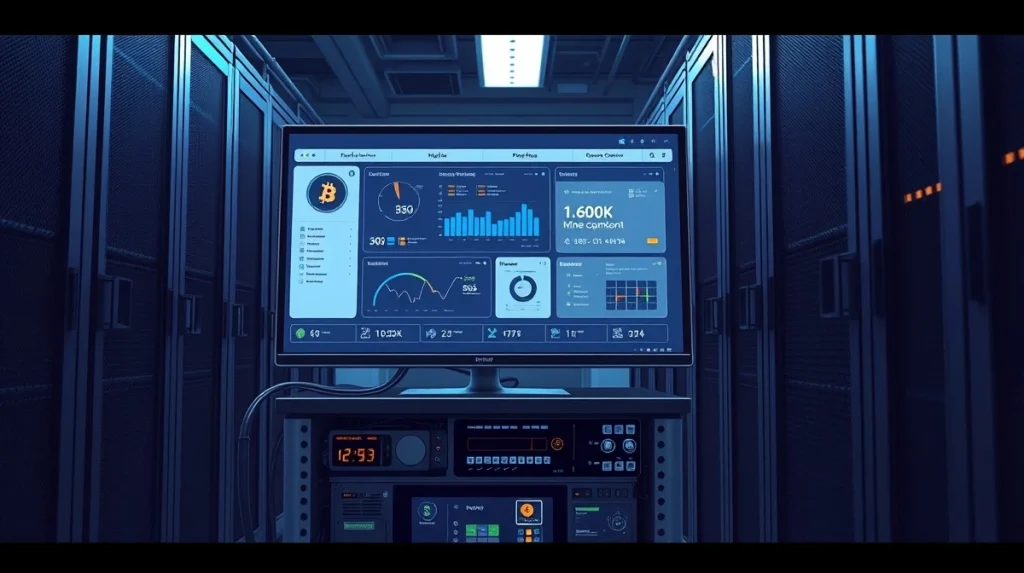
Tether released a modular, open-source development kit to modernize and decentralize Bitcoin mining infrastructure. The MDK provides a single orchestration layer for monitoring and managing mining rigs, power units, and cooling systems. The software is vendor-agnostic, supporting various hardware manufacturers and major operating systems.
Tether MDK: A New Tool for Bitcoin Miners
Tether’s new Modular Development Kit (MDK) targets a core problem in Bitcoin mining. Many mining operations rely on fragmented software from different hardware vendors. This creates inefficiencies and limits the ability to scale. The MDK aims to solve this by offering a unified platform.
Also read: Why Precious Metals and Crypto Are Increasingly Tracked Together: FinAIBox Analysis
According to Tether’s announcement, the MDK is open-source. This means anyone can inspect, modify, and distribute the code. The move aligns with Bitcoin’s decentralized ethos. Miners can now customize their monitoring and control systems without being locked into a single vendor’s ecosystem.
The kit includes modules for managing rigs, power supplies, and cooling units. This modular design allows operators to pick and choose components. They can integrate the MDK with existing hardware or use it as a foundation for new builds.
Also read: Taiko Reveals Four-Step Recovery Plan After June 21 Cyberattack
How the MDK Improves Mining Operations
The MDK offers a single dashboard for monitoring. This replaces the need for multiple, often incompatible, software tools. Operators can track hash rates, temperatures, and power consumption in one place.
Data from Tether shows the MDK supports major operating systems like Linux and Windows. It also works with various hardware manufacturers. This vendor-agnostic approach is a key selling point. Miners are not forced to use specific brands.
Industry watchers note that this could reduce operational costs. A unified system simplifies maintenance and troubleshooting. It also allows for faster updates and patches. The open-source nature means the community can contribute improvements.
Vendor-Agnostic Design Benefits
The MDK’s vendor-agnostic design is a strategic move. Many mining farms use rigs from different manufacturers. Managing them with separate software is cumbersome. The MDK standardizes this process.
This could signal a shift in the mining software market. Traditionally, vendors offered proprietary tools. Tether’s open-source alternative challenges this model. Miners gain more control over their infrastructure.
Impact on Bitcoin Mining Decentralization
Decentralization is a core principle of Bitcoin. The MDK supports this by giving miners more autonomy. They are not reliant on a single company for software updates or support.
The implication is that smaller mining operations can compete more effectively. They can use the MDK to build sophisticated monitoring systems without high costs. This levels the playing field against large, well-funded mining pools.
Tether’s move also addresses security concerns. Open-source software undergoes public scrutiny. Bugs and vulnerabilities can be found and fixed faster. This contrasts with closed-source systems where flaws may go unnoticed.
Technical Specifications of the MDK
The MDK is built on a modular architecture. It includes components for:
- Rig management: Monitoring hash rates, temperatures, and fan speeds.
- Power management: Tracking energy consumption and efficiency.
- Cooling management: Controlling cooling systems to prevent overheating.
The software uses standard APIs for integration. This makes it compatible with existing monitoring tools. Tether provided documentation and example code on GitHub.
According to the release, the MDK is available under an open-source license. Developers can fork the repository and create custom versions. This encourages innovation in mining software.
Comparison with Existing Mining Software
Existing mining software like Awesome Miner or Hive OS offer similar features. But they are often proprietary or require subscriptions. The MDK is free and open-source.
Here is a quick comparison:
| Feature | MDK | Awesome Miner | Hive OS |
|---|---|---|---|
| Cost | Free | Freemium | Subscription |
| Open Source | Yes | No | No |
| Vendor Agnostic | Yes | Partial | Partial |
| Modular | Yes | No | No |
This suggests the MDK could disrupt the market. Miners now have a viable free alternative.
Timeline of Tether’s Mining Initiatives
Tether has been expanding its presence in the mining sector. In 2023, the company invested in mining operations in Uruguay. In 2024, it announced partnerships with energy providers. The MDK release in 2025 is a logical next step.
The company stated that the MDK is part of a broader strategy. Tether aims to support the Bitcoin network’s infrastructure. This includes both hardware and software solutions.
Industry watchers note that Tether’s involvement in mining is significant. The company is a major issuer of stablecoins. Its foray into mining software could have far-reaching effects.
Reactions from the Mining Community
Early reactions from the mining community have been positive. Some developers praised the open-source approach. They see it as a way to develop collaboration.
One miner told CoinDesk that the MDK could reduce operational headaches. The ability to monitor everything from one interface is a big plus. Others expressed caution, noting that the software is new and may have bugs.
But the overall sentiment is one of optimism. The MDK represents a step forward for mining infrastructure. It puts more power in the hands of individual miners.
Potential Challenges and Limitations
The MDK is not without its challenges. Being open-source, it requires technical expertise to deploy. Not all miners have the skills to set up and maintain the software.
Another limitation is the lack of official support. Tether provides documentation but no dedicated help desk. Miners must rely on community forums and GitHub issues.
Security is also a concern. While open-source allows for public auditing, it also exposes code to potential attackers. Miners must ensure they use secure configurations.
Despite these challenges, the MDK offers a compelling value proposition. It democratizes access to advanced mining management tools.
Conclusion
Tether’s MDK for Bitcoin miners is a powerful open-source toolkit. It modernizes mining infrastructure by providing a unified, vendor-agnostic platform. The software supports decentralization and reduces costs for operators. While it has some limitations, the potential benefits are significant. This release could reshape how mining operations are managed.
FAQs
Q1: What is the Tether MDK?
The Tether MDK is a modular, open-source development kit for Bitcoin miners. It provides a single orchestration layer for monitoring and managing mining rigs, power units, and cooling systems.
Q2: Is the MDK free to use?
Yes, the MDK is open-source and free to use. Miners can download, modify, and distribute the software without any cost.
Q3: Does the MDK work with all mining hardware?
The MDK is vendor-agnostic. It supports various hardware manufacturers and major operating systems like Linux and Windows.
Q4: What are the main benefits of using the MDK?
The MDK simplifies mining management by offering a unified dashboard. It reduces operational costs, supports decentralization, and allows for community-driven improvements.
Q5: Are there any downsides to the MDK?
The MDK requires technical expertise to deploy and lacks official support. Security risks exist if not configured properly, but these are common with open-source software.