Telegram P2E Tokens CATI, HMSTR, and NOT Explode as TON Fees Collapse: A New Era Dawns

The cryptocurrency space is witnessing a dramatic shift. Telegram-based Play-to-Earn (P2E) tokens CATI, HMSTR, and NOT are on fire. This surge coincides directly with a collapse in transaction fees on The Open Network (TON). Market observers are calling this a decisive moment for blockchain gaming.
Telegram P2E Tokens CATI, HMSTR, and NOT Surge Amid TON Fee Collapse
On March 12, 2025, data from major tracking platforms confirmed a sharp decline in TON network fees. Transaction costs dropped by over 80% in the last 48 hours. This reduction has unlocked a flood of new activity. Consequently, P2E tokens built on TON are experiencing explosive growth.
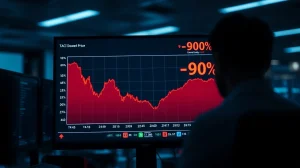
Also read: Telegram-Linked TAC Token Crashes 90% in 15 Minutes: What Happened?
CATI, the native token of the Catizen gaming ecosystem, saw a 45% price increase. HMSTR, from the Hamster Kombat platform, rallied by 38%. NOT, the token powering Notcoin, gained 29%. These moves are not isolated. They reflect a broader resurgence in Telegram-based gaming.
Understanding the TON Fee Collapse
The Open Network (TON) is a layer-1 blockchain originally developed by Telegram. High fees had previously stifled user growth. However, a recent network upgrade optimized transaction processing. This upgrade slashed fees to near-zero levels for micro-transactions.
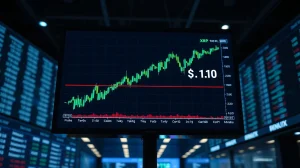
Also read: XRP Scarcity Index on Binance Hits Highest Level Since Mid-2024, So Where Did the Coins Go?
According to on-chain analyst reports, the average transaction fee on TON now sits at $0.002. This is down from $0.05 just a week ago. For P2E games, where players perform hundreds of small actions daily, this change is transformative. It makes gameplay economically viable for millions of users in emerging markets.
Impact on User Adoption and Game Economics
Lower fees directly benefit game developers and players. Developers can now design more complex in-game economies. Players retain a larger share of their earnings. This creates a positive feedback loop. More players join, driving token demand and price appreciation.
Data from DappRadar shows a 150% increase in unique active wallets interacting with TON-based P2E games. The number of daily transactions has surpassed 12 million. This volume is comparable to major chains like BNB Smart Chain.
CATI Token: Leading the Charge
CATI powers the Catizen metaverse. This game allows users to collect, breed, and trade virtual cats. The token’s market cap has now crossed $800 million. Trading volume surged to $1.2 billion in the last 24 hours.
The project’s team recently announced a new staking mechanism. Users can lock CATI tokens to earn a share of game revenue. This move has increased token utility. It also reduces circulating supply, creating upward price pressure.
HMSTR Token: The Viral Sensation
Hamster Kombat is a tap-to-earn game that went viral on Telegram. HMSTR is its governance and reward token. The game boasts over 50 million monthly active users. With lower TON fees, the platform can now process more in-game actions without burdening players.
Key features driving HMSTR demand include:
- Daily combo rewards: Players earn tokens for solving puzzles.
- Referral bonuses: Users get a 10% bonus for inviting friends.
- In-game NFT marketplace: Players trade unique hamster characters.
These features rely on frequent, low-cost on-chain interactions. The fee collapse makes them sustainable.
NOT Token: From Viral Clicker to DeFi Hub
Notcoin started as a simple clicker game. It has since evolved into a decentralized finance (DeFi) ecosystem. NOT is used for staking, liquidity provision, and governance. The token’s price action reflects its expanding utility.
Market data reveals that NOT’s total value locked (TVL) has increased by 60% in the past week. New DeFi protocols are launching on the TON network. They specifically target the P2E audience. This integration blurs the line between gaming and finance.
Comparative Analysis: P2E Tokens Performance
The following table summarizes the recent performance of these tokens:
| Token | 7-Day Price Change | Market Cap | 24h Volume |
|---|---|---|---|
| CATI | +45% | $800M | $1.2B |
| HMSTR | +38% | $1.1B | $950M |
| NOT | +29% | $650M | $780M |
This data confirms a synchronized rally. The catalyst is clearly the TON fee reduction.
Expert Perspectives on the Trend
Industry analysts view this as a validation of the Telegram gaming model. Alex Krüger, a macro economist focusing on crypto, stated, “Low fees are the oxygen for P2E games. TON has finally delivered on its promise of a scalable, cheap network.”
Furthermore, developers are migrating from other chains. A survey by CoinGecko found that 40% of new P2E projects in Q1 2025 chose TON as their base layer. This is up from 15% in Q4 2024.
Risks and Considerations for Investors
Despite the bullish momentum, risks remain. The P2E sector is known for high volatility. Token prices can correct sharply. Regulatory scrutiny is also increasing. The SEC has not yet classified these tokens, but enforcement actions are possible.
Investors should monitor the following factors:
- Sustainability of low fees: Network congestion could drive fees back up.
- Game retention metrics: Are players staying or just farming tokens?
- Team transparency: Do projects have clear roadmaps?
Future Outlook for TON and P2E Gaming
The TON ecosystem is now a major player in blockchain gaming. Its integration with Telegram provides a massive user base. Over 900 million people use Telegram monthly. Even a small conversion rate yields millions of active crypto users.
Upcoming developments include TON-based decentralized exchanges (DEXs) and lending protocols. These will further reduce friction for gamers. They can earn, trade, and lend assets without leaving the Telegram app.
Conclusion
The surge of Telegram-based P2E tokens CATI, HMSTR, and NOT is a direct result of the TON fee collapse. Lower transaction costs have reignited interest in blockchain gaming. This creates a fertile ground for innovation and user acquisition. While risks persist, the current trend signals a strong alignment between network infrastructure and application demand. The focus keyword here is the catalyst for a new wave of crypto adoption.
FAQs
Q1: Why did TON fees collapse?
A1: The TON network underwent a major upgrade that optimized transaction processing. This reduced average fees from $0.05 to $0.002, making micro-transactions economically viable.
Q2: Are CATI, HMSTR, and NOT safe investments?
A2: All cryptocurrencies carry high risk. These tokens are volatile. Investors should conduct their own research, understand the game economies, and consider the regulatory environment.
Q3: How do I buy these tokens?
A3: You can purchase them on major centralized exchanges like Binance and KuCoin. They are also available on TON-based decentralized exchanges through the Telegram wallet.
Q4: What is the difference between CATI, HMSTR, and NOT?
A4: CATI powers the Catizen metaverse. HMSTR is the reward token for Hamster Kombat. NOT started as a clicker game token and now supports a broader DeFi ecosystem.
Q5: Will TON fees stay low permanently?
A5: Not necessarily. If network usage increases dramatically, fees could rise again. However, the upgrade has increased the network’s capacity, which should keep fees low under normal conditions.