TAG Price Surges 350%: What’s Driving the Rally and Why Risks Are Mounting
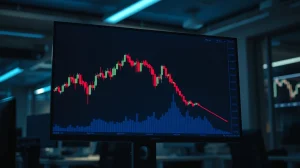
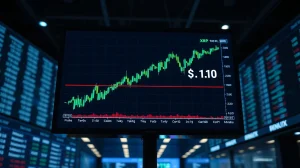
The TAG token has experienced a staggering 350% price increase over the past week, capturing the attention of traders and analysts alike. While such a rally often signals strong momentum, it also raises significant questions about sustainability and underlying risk factors that could lead to a sharp reversal.
What Is Behind the TAG Rally?
The surge appears to be driven by a combination of speculative trading volume, social media hype, and relatively low liquidity. According to on-chain data, trading volumes spiked dramatically over a 48-hour period, with a significant portion of activity concentrated on decentralized exchanges. This pattern is reminiscent of previous altcoin pumps where coordinated buying, often fueled by influencer mentions or community-driven campaigns, temporarily inflates prices.
Also read: NIGHT Price Stays Under Pressure Despite Midnight’s Token Terminal Partnership
However, no major protocol upgrades, partnership announcements, or fundamental developments have been publicly confirmed to justify such a rapid price movement. This lack of verifiable catalyst is a red flag for many experienced market observers.
Risks That Investors Should Not Ignore
Extreme price volatility is a hallmark of low-cap tokens, and TAG is no exception. The 350% gain has been accompanied by equally sharp intraday pullbacks of 20-30%, indicating a highly unstable market. Analysts point to several key risks:
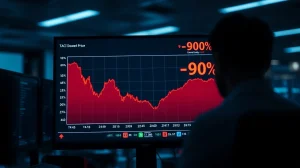
Also read: Telegram-Linked TAC Token Crashes 90% in 15 Minutes: What Happened?
- Low liquidity: Thin order books mean that large sell orders can trigger cascading price drops.
- Whale concentration: A small number of wallets hold a disproportionately large share of the token supply, making the price susceptible to coordinated selling.
- No clear fundamental value: Without a strong use case or adoption metrics, the token’s price is almost entirely driven by sentiment and speculation.
- Regulatory uncertainty: Tokens with sudden price surges often attract scrutiny from regulators, particularly if they are classified as unregistered securities.
What This Means for the Broader Market
The TAG rally is not occurring in a vacuum. It reflects a broader trend of speculative capital rotating into smaller altcoins as the overall crypto market shows signs of consolidation. While some traders may see this as an opportunity for quick gains, the risk of a sudden crash is elevated. Historically, similar patterns have led to losses for retail investors who enter near the peak.
Conclusion
The 350% surge in TAG price is a striking example of the extreme volatility present in the cryptocurrency market. While the rally has generated excitement, the absence of fundamental drivers, combined with low liquidity and concentrated ownership, suggests that the current price level may be unsustainable. Investors should approach with caution and conduct thorough due diligence before considering any exposure.
FAQs
Q1: What caused the TAG price to surge 350%?
The rally appears to be driven by speculative trading volume and social media hype rather than any confirmed fundamental developments or protocol upgrades.
Q2: Is it safe to invest in TAG right now?
Given the extreme volatility, low liquidity, and lack of fundamental backing, investing in TAG carries a high risk of significant loss. Caution is strongly advised.
Q3: How long can the TAG rally last?
It is difficult to predict. Historically, similar speculative pumps in low-cap tokens often reverse sharply once buying momentum fades or large holders begin to sell.