Capitulation Signal: Steve Aoki’s Stark Meme Coin Exit Mirrors Deepening NFT Crisis
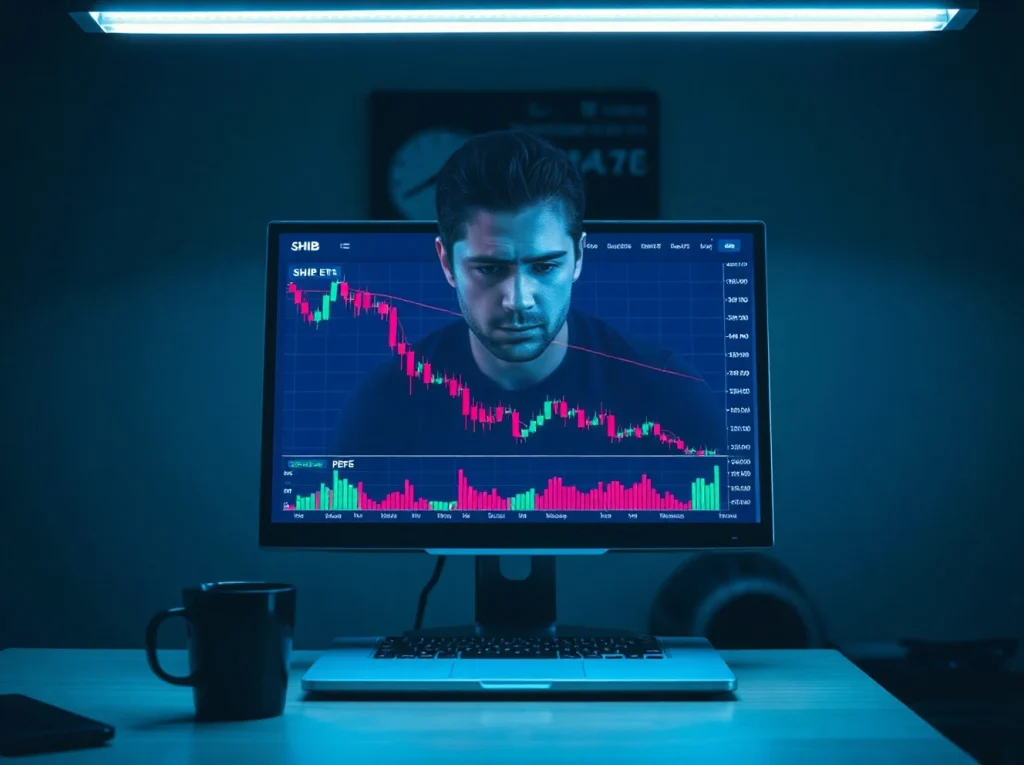
On-chain data reveals a notable shift in celebrity crypto strategy. In recent weeks, electronic music producer and DJ Steve Aoki has liquidated substantial portions of his holdings in meme coins Shiba Inu (SHIB) and Pepe (PEPE), alongside some Ethereum (ETH). This activity coincides with a prolonged and severe contraction in the non-fungible token (NFT) market, where Aoki has also been a prominent collector. Market analysts are scrutinizing the moves, questioning if this high-profile exit signals a broader moment of capitulation for speculative digital assets.
Tracking the Aoki Wallet Exodus
Blockchain analytics platforms first flagged the unusual activity in early April 2026. According to data from Etherscan and Nansen, wallets associated with Aoki initiated a series of transfers to centralized exchange deposit addresses. The transactions involved millions of dollars worth of tokens, even though current prices sit far below their all-time highs.
Also read: BNB Chain Reveals New Layer 1 Blockchain for Agentic Trading, Mainnet Set for 2027
Key transactions identified include:
- Multiple batches of SHIB tokens transferred, totaling several billion SHIB.
- Significant amounts of PEPE coin moved to an exchange-linked wallet.
- Smaller, but notable, sums of Ethereum followed.
This pattern suggests a deliberate unwind rather than a one-off trade. “Celebrity portfolios often act as sentiment indicators,” said Marcus Thielen, head of research at crypto analytics firm 10x Research. “They typically enter with fanfare during bull markets and exit quietly, or loudly, when trends reverse. The timing here, amid such weak NFT demand, is telling.”
Also read: Naver Financial and Dunamu Push Share Swap Deadline to December Amid Regulatory Hurdles
The Crumbling NFT Foundation
Aoki’s crypto sales cannot be divorced from the NFT market’s state. He is a known collector of high-value digital art and collectibles. Data from CryptoSlam shows the global NFT market volume has fallen for five consecutive quarters. In Q1 2026, weekly sales volume repeatedly hit multi-year lows.
The blue-chip collections Aoki favored have been hit hard. For instance, the floor price—the lowest listed price—for a Bored Ape Yacht Club NFT has dropped over 80% from its 2022 peak. This decline erodes the perceived collateral value of such assets. When high-profile collectors face dwindling portfolio values and fading hype, selling liquid meme coin holdings to raise capital or cut losses becomes a logical step. The implication is that stress in one speculative crypto sector is forcing reckoning in another.
What Constitutes a Capitulation Signal?
In market parlance, ‘capitulation’ refers to the point when investors give up hope of recovery and sell their holdings, often at a loss. This mass surrender frequently creates a selling climax that marks a bottom. A single investor’s actions are rarely conclusive. However, analysts look for confluence.
Aoki’s moves contribute to a broader picture. Trading volume in meme coins has stagnated. Social media buzz around new NFT projects has plummeted. Furthermore, funding rates for perpetual futures contracts for assets like SHIB have been neutral to negative, indicating a lack of bullish employ. “We’re seeing a fatigue across retail-focused crypto assets,” noted Laura Shin, host of the ‘Unchained’ podcast. “The exit of a visible, long-term participant adds weight to the data suggesting a purge is underway.”
Historical Precedents and Celebrity Influence
This is not the first time celebrity behavior has mirrored a market turn. In late 2021, as crypto markets peaked, a wave of celebrities endorsed NFTs and tokens. Their involvement often marked a peak in retail frenzy. The subsequent exit of these figures has been more gradual and less publicized.
Aoki himself was an active promoter during the bull market, launching his own NFT collections and speaking enthusiastically about crypto’s potential. His current selling activity, therefore, represents a stark pivot. It highlights a critical dynamic: celebrity investors are not immune to market cycles. Their liquidity needs and risk tolerance shift just like any other investor’s, albeit on a more visible stage.
| Figure | Notable Action | Approximate Timing | Market Context |
|---|---|---|---|
| Steve Aoki | Sold SHIB, PEPE, ETH holdings | April 2026 | Deep NFT bear market, low meme coin volume |
| Various Artists | Quietly delisted or stopped promoting personal NFT projects | 2025 | Sustained decline in secondary sales |
| Sports Stars | Shifted endorsements from crypto exchanges to traditional finance | Late 2025 | Increased regulatory scrutiny on exchanges |
Broader Market Implications
For everyday investors, the key question is whether this signals a final washout. The answer is complex. Meme coins and NFTs are considered some of the riskiest segments within crypto. Their weakness can persist even if Bitcoin or institutional crypto products stabilize.
Data from CoinGecko shows the total market capitalization of meme coins has fallen over 60% from its 2024 high. This suggests pain is widespread. However, capitulation in these specific assets does not necessarily predict the bottom for the entire crypto complex. It may simply indicate a rotation of remaining capital into less speculative protocols. The immediate impact is continued pressure on SHIB, PEPE, and similar tokens. Their recovery likely requires a fresh wave of retail interest, which currently shows no signs of materializing.
Conclusion
Steve Aoki’s decision to dump SHIB, ETH, and PEPE holdings is a significant data point in the current crypto market. It reflects the intense pressure building in the speculative fringes of the market, particularly the NFT sector. While not a definitive capitulation signal on its own, it aligns with multiple metrics showing exhaustion. For the meme coin and NFT markets to find a sustainable bottom, this type of high-profile selling may need to be completed. The episode underscores a return to fundamentals, where liquidity and utility are scrutinized more closely than celebrity endorsement.
FAQs
Q1: What exactly did Steve Aoki sell?
Blockchain data indicates Aoki sold millions of dollars worth of Shiba Inu (SHIB) and Pepe (PEPE) meme coins, along with a portion of his Ethereum (ETH), in April 2026.
Q2: Does this mean meme coins are dead?
Not necessarily. It signals a severe bear phase and loss of interest from one major holder. Meme coins have historically cycled through boom and bust periods based on retail sentiment.
Q3: How is this related to the NFT market?
Steve Aoki is a major NFT collector. The severe downturn in NFT values and sales likely pressured his overall crypto portfolio, making the sale of more liquid assets like meme coins a source for capital or loss-cutting.
Q4: What is a ‘capitulation signal’ in crypto?
It refers to market conditions where fearful investors sell en masse, often at a loss, potentially exhausting selling pressure and setting a stage for a price bottom. Large, loss-taking sales by long-term holders are one component analysts watch.
Q5: Should I sell my meme coins because of this news?
This article presents factual analysis, not financial advice. Individual investment decisions should be based on personal risk tolerance, financial goals, and thorough research, not solely on the actions of any single investor.