Stacks Price Jumps as Chart Structure Turns Bullish: Can STX Token Escape $0.3000 Resistance?
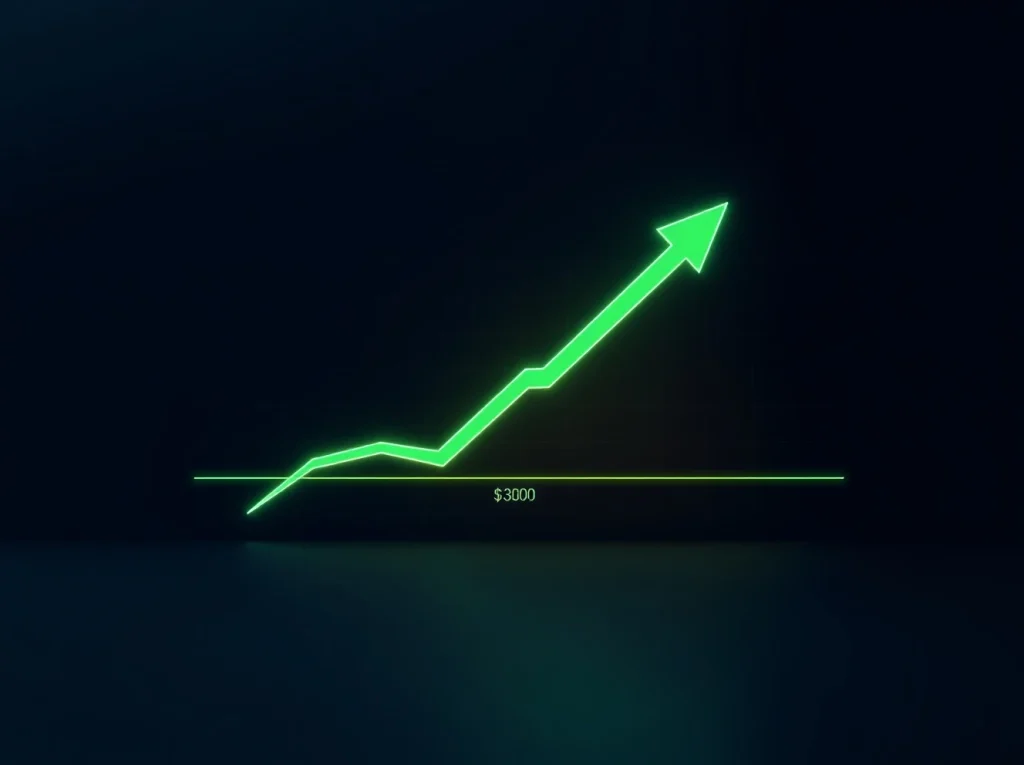
Stacks (STX), the native token of the Bitcoin layer-2 smart contract platform, has seen a notable price increase in recent trading sessions as its chart structure shifts to a more bullish configuration. The move has drawn attention from traders and investors who are now watching whether STX can break through the key psychological and technical resistance level around $0.3000.
What Drove the Recent STX Price Jump?
The latest upward movement in Stacks price follows a period of consolidation and technical basing. Analysts point to improving on-chain metrics and growing developer activity on the Stacks blockchain as supporting factors. The network, which enables smart contracts and decentralized applications to settle on Bitcoin, has seen increased usage in decentralized finance (DeFi) and non-fungible token (NFT) sectors. This fundamental backdrop, combined with a broader recovery in the cryptocurrency market, has provided tailwinds for STX.
Also read: NIGHT Price Stays Under Pressure Despite Midnight’s Token Terminal Partnership
Technical Analysis: Key Levels to Watch
From a technical perspective, STX has formed a higher low on the daily chart, a pattern often associated with bullish momentum. The token is now testing the $0.3000 resistance zone, a level that has historically acted as both support and resistance. A decisive break above this level, accompanied by strong volume, could open the path toward the next resistance near $0.3500. Conversely, failure to hold above current support levels around $0.2600 may lead to a retest of lower demand zones.
Why $0.3000 Matters for STX Traders
The $0.3000 mark is not just a round number but a significant technical level where the token has previously stalled. Breaking above it would signal a shift in market sentiment and could attract additional buying interest from momentum traders. For long-term holders, a sustained move above this resistance would strengthen the bullish case for Stacks as a key infrastructure layer for Bitcoin’s expanding ecosystem.
Also read: Telegram-Linked TAC Token Crashes 90% in 15 Minutes: What Happened?
Conclusion
Stacks price has shown renewed strength as its chart structure turns bullish, but the critical test remains at the $0.3000 resistance. Whether STX can escape this level will depend on continued network adoption, broader market conditions, and sustained buying pressure. Traders and investors should monitor volume and price action around this key threshold for confirmation of the next directional move.
FAQs
Q1: What is Stacks (STX)?
Stacks is a Bitcoin layer-2 blockchain that enables smart contracts and decentralized applications to settle on the Bitcoin network. Its native token, STX, is used for transaction fees and to participate in the network’s consensus mechanism.
Q2: Why is the $0.3000 level important for STX?
The $0.3000 level has historically acted as a key resistance and support zone. A breakout above it could signal bullish momentum and attract more buyers, while failure to break may lead to consolidation or a pullback.
Q3: Is this price jump driven by fundamentals or speculation?
The recent move appears supported by a combination of improving on-chain metrics, increased developer activity on Stacks, and a broader market recovery. However, short-term price action always carries speculative elements.