Ondo Finance Joins DTCC Tokenization Initiative, Signaling Institutional RWA Push
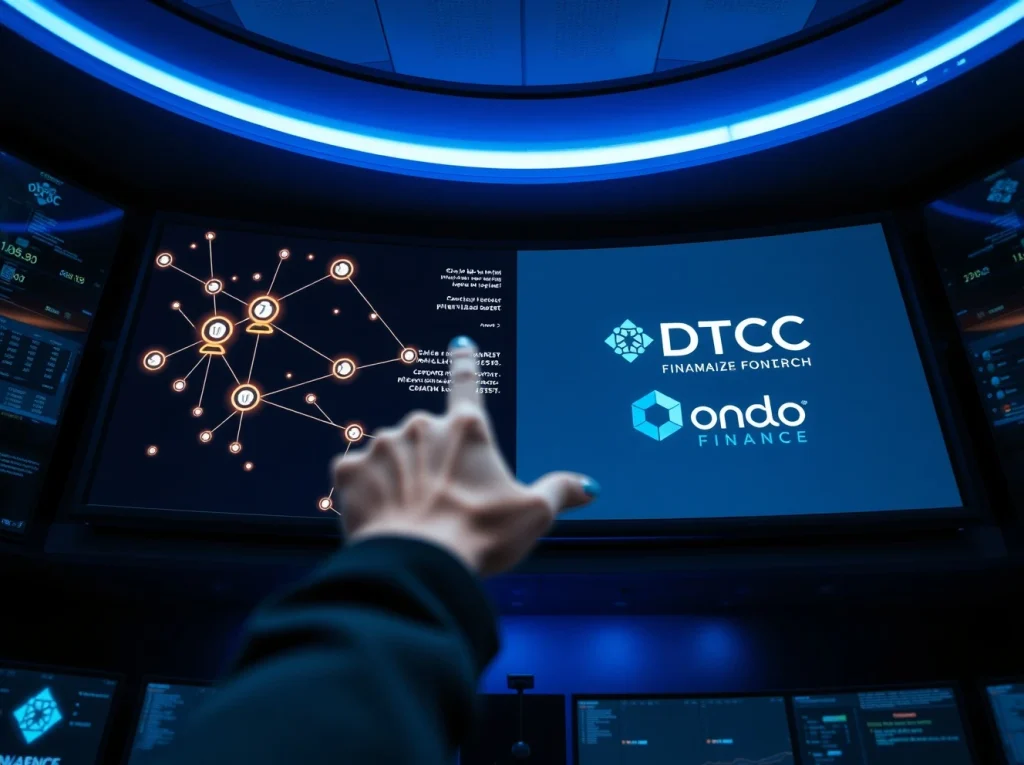
Ondo Finance, a leading protocol focused on tokenizing real-world assets (RWAs), has joined the Depository Trust & Clearing Corporation’s (DTCC) tokenization pilot initiative. The move signals growing institutional interest in bridging decentralized finance (DeFi) with traditional market infrastructure.
What the Partnership Entails
The DTCC’s tokenization push aims to explore how blockchain-based settlement and asset representation can integrate with existing clearing and custody systems. By participating, Ondo will contribute its expertise in tokenized U.S. Treasuries and other yield-bearing assets. The initiative is part of a broader industry trend where major financial market utilities are testing distributed ledger technology for post-trade processing.
Also read: NIGHT Price Stays Under Pressure Despite Midnight’s Token Terminal Partnership
Ondo Finance has been leading of the RWA sector, managing over $600 million in tokenized assets as of early 2025. Its products, such as OUSG and USDY, offer institutional-grade exposure to traditional financial instruments on-chain. Joining the DTCC pilot positions Ondo to help shape standards for how tokenized securities are cleared and settled within regulated frameworks.
Why This Matters for the Crypto Market
The collaboration represents a concrete step toward institutional adoption of tokenized assets. The DTCC processes trillions of dollars in securities transactions annually. Any successful integration of blockchain-based tokens into its infrastructure could dramatically reduce settlement times and operational costs for large financial players.
Also read: Telegram-Linked TAC Token Crashes 90% in 15 Minutes: What Happened?
For the broader crypto ecosystem, this move validates the thesis that real-world asset tokenization is not just a niche DeFi experiment but a use case with genuine demand from traditional finance. It also highlights the growing convergence between permissioned blockchain networks used by institutions and public, permissionless protocols like Ethereum, where Ondo’s tokens are primarily issued.
Implications for RWA Tokenization
Industry observers note that Ondo’s involvement could accelerate the development of interoperability standards between public blockchains and DTCC’s private infrastructure. This may eventually allow tokenized Treasuries and money market funds to be used as collateral in traditional clearing houses—a development that could unlock significant liquidity.
However, challenges remain. Regulatory clarity around tokenized securities, particularly regarding custody and bankruptcy remoteness, is still evolving. The pilot’s outcomes will likely inform future policy discussions in the U.S. and abroad.
Conclusion
Ondo Finance’s participation in the DTCC tokenization initiative is a meaningful development for the institutional DeFi narrative. It demonstrates that established market infrastructure providers are actively exploring how blockchain technology can improve legacy systems. While still in its early stages, this partnership could pave the way for broader integration of tokenized RWAs into mainstream finance.
FAQs
Q1: What is the DTCC tokenization initiative?
The DTCC’s tokenization pilot explores how blockchain technology can be applied to clearing, settlement, and custody of securities. It aims to test the feasibility of using digital tokens within existing market infrastructure.
Q2: How does Ondo Finance benefit from joining this initiative?
Ondo gains direct input into how tokenized real-world assets are handled by a major clearinghouse. This could lead to greater institutional adoption of its products and help establish industry standards for RWA tokenization.
Q3: Does this mean tokenized assets are now fully regulated?
No. The initiative is a pilot program, and full regulatory frameworks for tokenized securities are still under development. The outcomes of this collaboration may inform future regulations, but no immediate regulatory changes have been enacted.