Evergon v0.23 Unlocks Simple Crypto Tokenization with Nexera’s Powerful Upgrade
The blockchain platform Evergon has launched its version 0.23 update, a release its developers call the most significant in its history. Powered by the Nexera protocol, this upgrade aims to demystify the process of creating and managing digital tokens. The new features target both crypto-native users and newcomers by grouping sales into clear projects and adding support for NFTs and real-world assets. This move comes as demand for straightforward tokenization tools continues to grow.
Evergon v0.23 Streamlines Fundraising and Investment
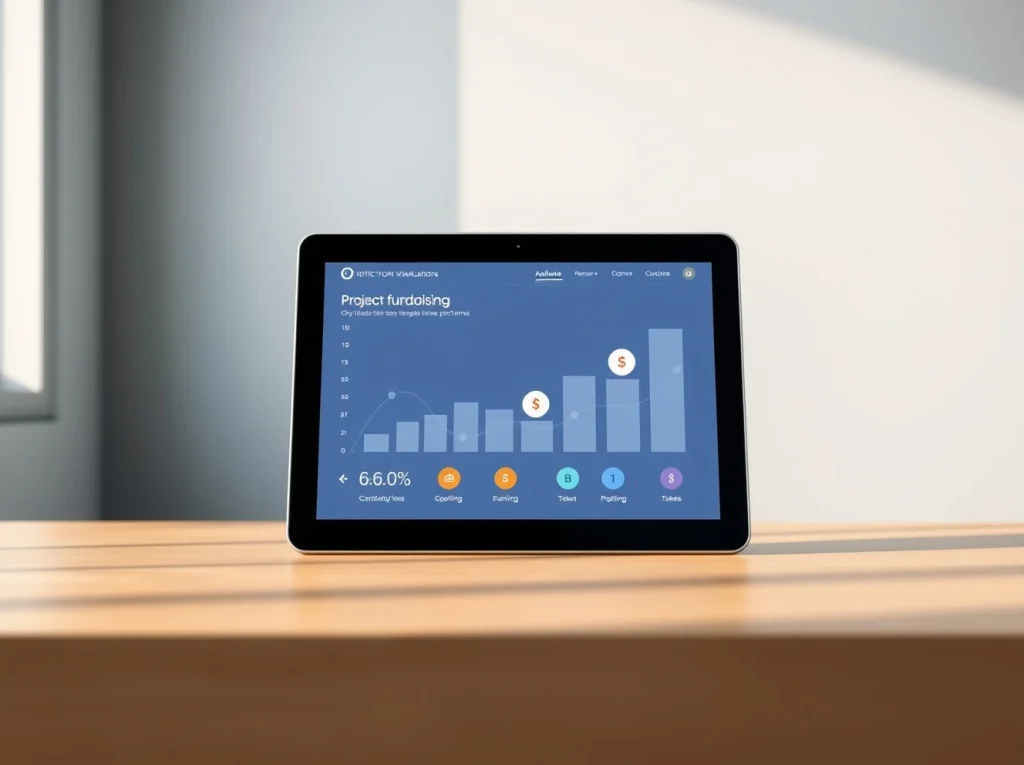
At the core of the Evergon v0.23 release is a redesigned approach to project fundraising. Previously, tracking multiple token sales could be a fragmented experience for investors. The update now aggregates sales into distinct “projects,” providing a unified dashboard that displays collective fundraising progress. According to the platform’s documentation, this gives investors a clearer, consolidated view of a project’s financial traction. Data from the platform shows this structure is designed to reduce complexity, a common barrier to entry in decentralized finance.
Also read: BNB Chain Reveals New Layer 1 Blockchain for Agentic Trading, Mainnet Set for 2027
This shift reflects a broader trend in crypto towards improved user experience. Industry watchers note that simplifying investor dashboards is a direct response to feedback from the community. The implication is that platforms must offer more than just technical capability; they need to present data intuitively. What this means for investors is potentially less time deciphering charts and more time evaluating actual opportunities.
Expanding Tokenization to NFTs and Real-World Assets
Beyond fundraising, Evergon v0.23 significantly broadens what users can tokenize. The update introduces native support for deploying ERC-721 tokens, the standard most commonly used for non-fungible tokens (NFTs). Simultaneously, it adds what the team terms “RWA 2.0” support, enhancing the platform’s ability to handle real-world asset tokenization. This dual capability allows a single platform to manage both digital collectibles and tokenized versions of physical assets, like real estate or commodities.
Also read: Naver Financial and Dunamu Push Share Swap Deadline to December Amid Regulatory Hurdles
The RWA sector has seen notable growth. Analysis from firms like Bernstein estimates the tokenized real-world asset market could reach a multi-trillion dollar valuation by the end of the decade. Evergon’s move to bolster its RWA tools positions it within this expanding niche. By integrating these functions, the platform reduces the need for separate, specialized services. This could signal a push towards consolidated tokenization hubs.
The User Access Revolution: Porto Wallet Integration
A standout feature for mainstream adoption is the integration of the Porto wallet. This integration enables what Evergon calls “email-first” access. New users can create a wallet and start transacting using just an email address, bypassing the traditional, complex process of seed phrase management initially. For transactions, it employs a “Keypass-style” signing mechanism, which aims to make approving moves as familiar as using an email password.
Security experts in the crypto space often warn that simplifying access must not compromise security. The Porto system, according to its published technical papers, uses decentralized custodial technology where the user ultimately controls their keys. This approach tries to balance ease of use with self-custody principles. The success of this model could influence how other platforms design their onboarding flows.
Context of the v0.21 to v0.23 Release Cycle
Evergon v0.23 is not an isolated release. It culminates a rapid development cycle that included versions 0.21 and 0.22. According to the project’s public release notes, these earlier updates laid the groundwork for the current feature set. They included backend improvements to the Nexera protocol and initial tests of the project-grouping architecture. Releasing three substantial versions in a relatively short period suggests a focused development push.
The platform’s activity metrics, while not publicly audited, are reported by the team to have increased following the earlier updates. This suggests a responsive development strategy. Releasing iterative improvements allows developers to gather user feedback and refine features. For the ecosystem, consistent updates can be a sign of active maintenance and long-term commitment.
Market Implications and Competitive Field
Evergon’s comprehensive update enters a competitive field. Other platforms like Polymesh and Securitize also offer specialized tokenization services. Evergon’s differentiator appears to be its combination of simplicity, a wide range of token standards, and its novel email-first wallet. The market will test whether this blend attracts users.
What this means for the broader tokenization industry is more choice and potentially lower barriers. As platforms compete on usability, the overall experience for creating and managing digital assets should improve. This could accelerate adoption from sectors beyond traditional crypto, such as traditional finance and creative industries. The next few quarters will be critical for measuring user growth.
Conclusion
The Evergon v0.23 update represents a major step in making crypto tokenization simple and accessible. By grouping sales into projects, supporting both NFTs and real-world assets, and integrating the user-friendly Porto wallet, the Nexera-powered platform addresses key friction points. This release underscores a clear industry shift: the winning platforms will be those that successfully hide complexity without sacrificing power. The focus on streamlined user experience could prove decisive in attracting the next wave of tokenization adopters.
FAQs
Q1: What is the main improvement in Evergon v0.23?
The main improvement is the organization of token sales into “projects” with aggregated fundraising dashboards, giving investors a clearer overview of progress.
Q2: What can I tokenize using Evergon v0.23?
The platform now supports creating ERC-721 NFTs and has enhanced tools for tokenizing real-world assets (RWA), like property or physical goods.
Q3: How does the Porto wallet integration make things easier?
It allows “email-first” access, letting users start with just an email address. Transaction signing uses a familiar, password-like flow instead of complex cryptographic steps.
Q4: Is the Porto wallet secure?
According to its technical design, it uses a decentralized custodial model where users retain control of their keys, aiming to balance ease of use with security.
Q5: How does this update fit with previous versions?
Version 0.23 is the largest in a series that includes v0.21 and v0.22. These earlier updates provided the foundation for the current features, marking a sustained development effort.