ETF Automation Surge Triggers J.P. Morgan Warning as Market Nears $35 Trillion
The exchange-traded fund market is barreling toward a $35 trillion milestone. That growth is driving a wave of automation across trading systems. J.P. Morgan recently flagged this shift. The bank says electronic trading is now central to ETF operations. But the changes go deeper than just faster trades.
ETF Automation Surge: What J.P. Morgan Sees
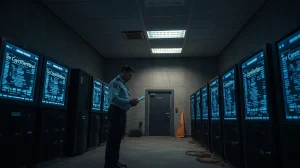
J.P. Morgan’s internal data shows a sharp rise in automated trade execution. The bank reported that electronic trading now handles a majority of its ETF volume. This is not a gradual trend. It is a surge. According to J.P. Morgan, the shift is driven by higher trading volumes and stricter regulatory demands. Manual processes can no longer keep pace.
Also read: Kraken and Maple Launch $375M Onchain Credit Facility for Institutional Crypto Lending
The implication is clear. Automation reduces human error. It also cuts costs. But it creates new risks. Systems must be sturdy. A single glitch could disrupt millions of trades. Industry watchers note that J.P. Morgan’s warning is a signal for the entire sector.
Why Automation Matters Now
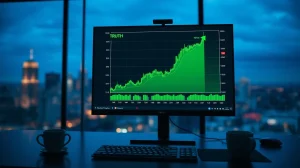
ETF assets under management have grown rapidly. Data from the Investment Company Institute shows global ETF assets reached $34.2 trillion in March 2026. That is up from $28 trillion two years ago. The $35 trillion mark is likely within months. This growth strains legacy systems. Automation is no longer optional. It is necessary.
Also read: Polish Cybercrime Police Arrest Four in Coordinated Crypto Theft Investigation
J.P. Morgan’s warning highlights a key point. The infrastructure behind ETFs must evolve. Settlement times are a major focus. Tokenization could reduce settlement from two days to minutes. That would be a significant shift for liquidity.
Tokenization and Settlement: The Next Frontier
Tokenization refers to representing fund shares as digital tokens on a blockchain. This technology could transform how ETFs trade and settle. J.P. Morgan has been testing tokenized versions of money market funds. The results are promising. Settlement times dropped from T+2 to near-instantaneous.
What this means for investors is faster access to funds. It also reduces counterparty risk. But tokenization requires new infrastructure. Not all market participants are ready. Regulators are still evaluating the risks.
A table below compares traditional settlement versus tokenized settlement:
| Feature | Traditional Settlement | Tokenized Settlement |
|---|---|---|
| Settlement Time | T+2 (two days) | Minutes or seconds |
| Counterparty Risk | Higher during gap | Lower due to atomic settlement |
| Operational Cost | Higher (manual reconciliation) | Lower (automated) |
| Regulatory Clarity | Established | Evolving |
J.P. Morgan’s tokenization push is part of a broader industry trend. BlackRock and Fidelity are also exploring tokenized funds. The SEC has not issued final guidance. But pilot programs are underway.
Market Structure Changes: What Traders Need to Know
The ETF automation surge is reshaping market structure. High-frequency trading firms are adapting. They now use algorithms to execute ETF basket trades. These algorithms scan multiple exchanges simultaneously. They find the best prices in milliseconds.
But this creates new challenges. Market fragmentation is increasing. Liquidity is spread across more venues. That makes price discovery harder. J.P. Morgan’s warning suggests that firms must invest in smarter systems. Those that do not may fall behind.
Another shift is in primary market activity. Authorized participants are using automated tools to create and redeem ETF shares. This reduces the time needed to adjust fund exposure. It also lowers costs for end investors.
Impact on Fund Managers
Fund managers face pressure to adopt automation. Those with legacy systems risk higher error rates. They also face slower execution. J.P. Morgan’s data shows that automated funds have lower tracking error. That means they more closely follow their benchmark.
The cost savings are significant. Automation can reduce operational expenses by 20% to 30%. That is a big margin improvement in a competitive industry. But the upfront investment is substantial. Smaller firms may struggle to keep up.
Regulatory and Risk Considerations
Regulators are watching the ETF automation surge closely. The SEC has raised concerns about market stability. Automated systems can amplify errors. A flash crash in an ETF could spill over into related markets. The SEC is considering new rules for algorithmic trading.
J.P. Morgan’s warning aligns with these concerns. The bank emphasizes the need for strong risk controls. Automated systems must have kill switches. They must also undergo regular testing. The implication is that firms cannot simply automate without oversight.
Tokenization adds another layer of regulatory complexity. Digital tokens may be classified as securities. That would subject them to existing securities laws. But the technology is new. Regulators are still learning. This creates uncertainty for market participants.
Conclusion
The ETF automation surge is not a distant possibility. It is happening now. J.P. Morgan’s warning underscores the urgency. The market is approaching $35 trillion. Infrastructure must keep pace. Tokenization offers a path to faster settlement. But it also introduces new risks. Investors and fund managers must stay informed. The next few years will define the future of ETF trading.
FAQs
Q1: What is the ETF automation surge that J.P. Morgan flagged?
J.P. Morgan reported a sharp increase in electronic trading for ETFs. The bank says automation is now central to handling higher volumes and stricter regulations.
Q2: How close is the ETF market to $35 trillion?
Global ETF assets reached $34.2 trillion in March 2026. Industry analysts expect the $35 trillion milestone within the next few months.
Q3: What is tokenization and how does it affect settlement?
Tokenization converts fund shares into digital tokens on a blockchain. It can reduce settlement times from two days to minutes.
Q4: What are the risks of increased automation in ETF trading?
Risks include system glitches, market fragmentation, and flash crashes. Regulators are considering new rules for algorithmic trading.
Q5: Which firms are leading in tokenization?
J.P. Morgan, BlackRock, and Fidelity are among the firms testing tokenized funds. The SEC has not yet issued final guidance on the technology.