Cryptocurrency Analysis: Five Assets Drawing Investor Attention in April 2026
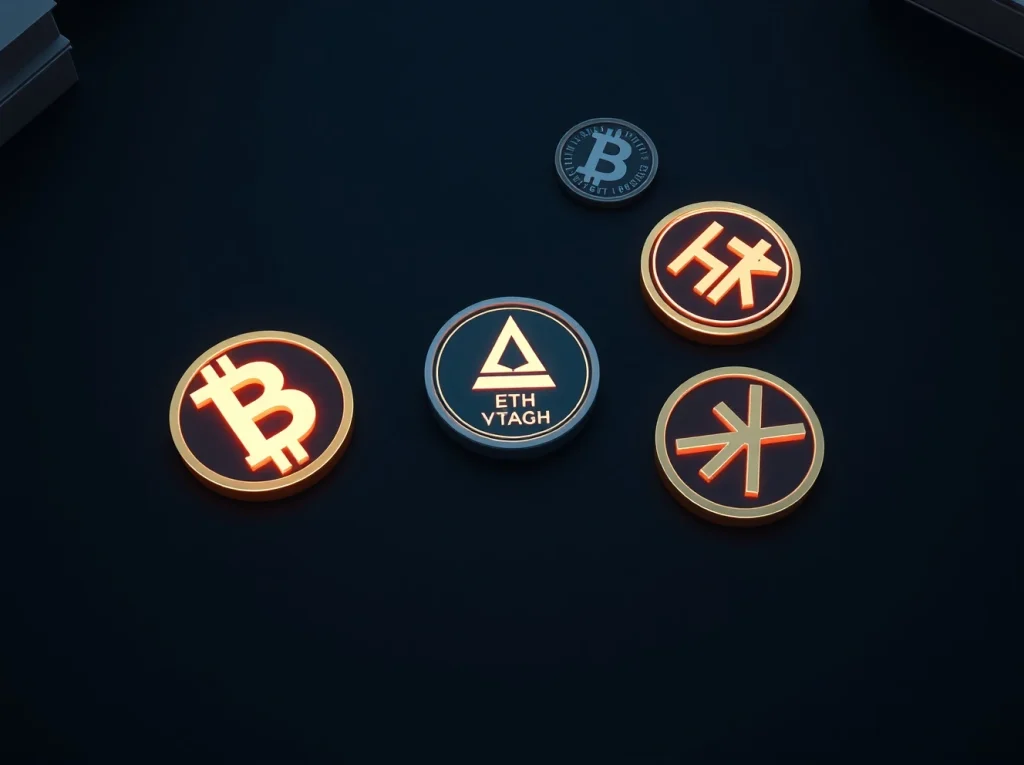
As of April 10, 2026, several cryptocurrency projects are generating discussion among traders and analysts. Market data shows varied performance across major networks. This report examines five digital assets—BlockDAG, Ethereum, Avalanche, HypeCoin, and Tron—that have shown notable on-chain activity or development progress in recent weeks.
Market Context and Recent Performance
Cryptocurrency markets remain volatile. According to data from CoinMarketCap, the total market capitalization has fluctuated within a defined range over the past quarter. Trading volumes have been inconsistent. This environment requires careful analysis of individual project fundamentals rather than broad sector bets. Industry watchers note that differentiation between networks is increasing. The implication is that asset selection is more critical than during previous market cycles where prices moved in greater correlation.
Also read: BNB Chain Reveals New Layer 1 Blockchain for Agentic Trading, Mainnet Set for 2027
BlockDAG (BDAG): A New Contender
BlockDAG is a newer protocol proposing a directed acyclic graph (DAG) structure combined with blockchain security elements. Its mainnet launched in late 2025. Proponents argue its architecture allows for higher transaction throughput than traditional linear blockchains. Network data shows its active address count has grown steadily since launch, though from a small base. The project’s token, BDAG, is traded on several secondary decentralized exchanges. What this means for investors is exposure to a novel, unproven architecture with associated high risk and potential reward. The team behind BlockDAG published a technical roadmap update in March 2026 outlining planned scalability improvements.
Ethereum’s Established Position
Ethereum continues to hold the dominant position for smart contracts and decentralized applications. Data from Etherscan shows the network settled over $21 billion in value during the first week of April 2026. Its transition to a proof-of-stake consensus mechanism is complete. However, transaction fees, or “gas costs,” remain a point of discussion among users. The network’s upcoming “Prague” upgrade, expected later in 2026, aims to address some performance issues. Analysts at firms like IntoTheBlock monitor Ethereum’s net network growth and holder concentration. This suggests institutional interest persists despite competitive pressure from newer layer-1 chains.
Also read: Naver Financial and Dunamu Push Share Swap Deadline to December Amid Regulatory Hurdles
Avalanche (AVAX) and Subnet Adoption
The Avalanche network has emphasized its custom blockchain, or “subnet,” functionality. This allows institutions and projects to deploy application-specific chains. Activity metrics from the Avalanche C-Chain, its primary smart contract chain, show variable usage. According to a quarterly report from the Avalanche Foundation released in March, the total number of subnets has increased by 15% quarter-over-quarter. Several financial institutions have announced pilot programs using Avalanche subnets for tokenized asset settlements. The network’s native token, AVAX, is used for staking and paying fees across all subnets. Market performance often hinges on announcements of new large-scale subnet deployments.
Examining HypeCoin (HYPE) and Tron (TRX)
Two other assets drawing looks are HypeCoin and Tron. HypeCoin, a meme-inspired token, saw a sharp increase in social media mentions and trading volume in late March 2026. Data from Santiment indicates a simultaneous spike in large wallet transactions. Such activity patterns are common with highly speculative assets. Investors should note the high risk profile. In contrast, Tron operates a long-established blockchain focused on entertainment and content sharing. Tron’s network data shows it consistently processes a high number of daily transactions, often surpassing Ethereum. Much of this activity relates to stablecoin transfers. Tron’s founder, Justin Sun, continues to advocate for the network’s use in decentralized storage and computing initiatives.
Investment Considerations and Risks
Evaluating these assets requires understanding distinct value propositions and risks. BlockDAG offers technological novelty but lacks a long track record. Ethereum provides stability and the largest developer ecosystem but faces scaling challenges. Avalanche’s growth is tied to enterprise adoption of its subnet technology. HypeCoin represents pure speculative sentiment with minimal underlying utility. Tron has high usage but is often criticized for centralization. Data from CryptoQuant shows exchange inflow/outflow trends can provide short-term signals, but long-term success depends on adoption. Regulatory developments, particularly from the U.S. Securities and Exchange Commission, also remain a key variable for the entire sector.
Conclusion
This cryptocurrency analysis highlights five assets with diverging narratives in April 2026. BlockDAG, Ethereum, Avalanche, HypeCoin, and Tron each present a different case for investor consideration based on technology, adoption, and market sentiment. Success will depend on execution of roadmaps, broader market conditions, and regulatory clarity. Investors are advised to conduct thorough research and consider risk tolerance before allocating capital to this volatile asset class.
FAQs
Q1: What is the main technological difference BlockDAG proposes?
BlockDAG uses a directed acyclic graph structure instead of a linear blockchain. Proponents claim this allows more transactions to be processed in parallel, potentially increasing speed and scalability.
Q2: Why are Ethereum’s transaction fees still high after its upgrade to proof-of-stake?
The switch to proof-of-stake changed how the network reaches consensus but did not inherently increase the data capacity of each block. Network demand for block space still exceeds supply during busy periods, leading to fee auctions.
Q3: What is an Avalanche subnet?
An Avalanche subnet is a custom, application-specific blockchain built using the Avalanche consensus protocol. It allows developers to create a blockchain with its own rules and validators while still being able to interoperate with other subnets and the main Avalanche network.
Q4: Is HypeCoin considered a serious investment by analysts?
Most traditional financial analysts categorize tokens like HypeCoin as extremely high-risk speculative assets. Their value is primarily driven by community sentiment and social media trends rather than measurable utility or cash flow, making them volatile and unpredictable.
Q5: What is Tron’s primary use case?
Tron’s network is widely used for transferring stablecoins, particularly USDT, and for hosting decentralized applications in the gambling and entertainment sectors. It markets itself as a high-throughput, low-cost platform for content sharing and decentralized finance applications.