4 Crypto Coins to Watch in 2026: BlockDAG, Chainlink, Sui, and Hedera Lead with Real-World Utility
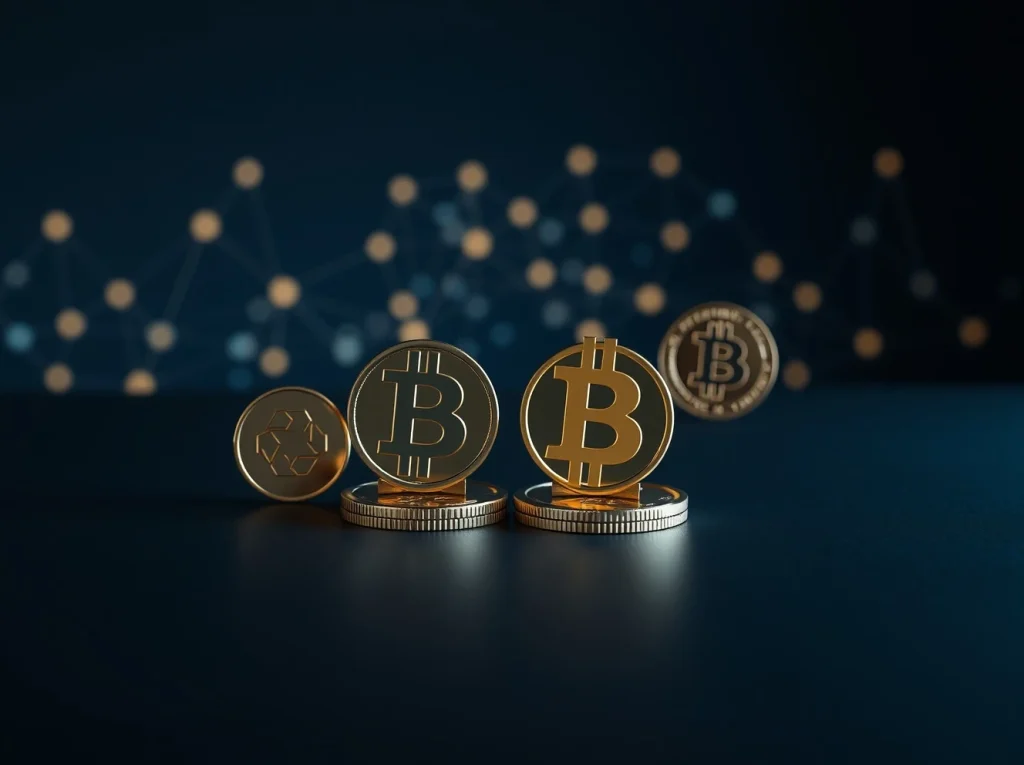
The cryptocurrency market in 2026 is increasingly defined by projects that deliver measurable utility rather than speculative hype. As institutional adoption deepens and regulatory frameworks mature, investors and developers are gravitating toward networks with strong fundamentals, active ecosystems, and real-world integrations. Among the many projects vying for attention, four have distinguished themselves through technical innovation, strategic partnerships, and consistent development: BlockDAG, Chainlink, Sui, and Hedera.
BlockDAG: A New Approach to Scalability
BlockDAG has gained traction for its directed acyclic graph (DAG) architecture, which addresses the scalability trilemma differently from traditional blockchains. Unlike linear chains, BlockDAG allows multiple blocks to be added simultaneously, increasing throughput without compromising security. This design has attracted developers building decentralized applications that require high transaction speeds, such as gaming and micro-payments. As of early 2026, the project has demonstrated consistent testnet performance and is preparing for mainnet launch, with a growing community of validators and developers.
Also read: BNB Chain Reveals New Layer 1 Blockchain for Agentic Trading, Mainnet Set for 2027
Chainlink: Expanding Oracle Networks Beyond Finance
Chainlink remains the dominant decentralized oracle network, bridging blockchain smart contracts with off-chain data. In 2026, its utility has expanded beyond DeFi into insurance, supply chain management, and parametric insurance for agriculture. The launch of Chainlink Staking v2 has increased network security by incentivizing node operators, while cross-chain interoperability protocols (CCIP) are being adopted by major financial institutions for tokenized asset settlements. Chainlink’s ability to provide verifiable, tamper-proof data feeds continues to make it a foundational layer for blockchain adoption.
Sui: High-Performance Layer 1 with Growing Developer Activity
Sui, built by former Meta engineers, has emerged as a leading Layer 1 blockchain optimized for parallel transaction execution. Its object-centric model allows for low-latency processing, making it suitable for applications requiring real-time interactions, such as social media platforms and gaming. In 2026, Sui has seen a surge in total value locked (TVL) and developer activity, driven by grants and hackathons. The network’s focus on user experience, including sponsored transactions and zkLogin, has lowered barriers for mainstream users, positioning it as a strong competitor to Ethereum and Solana.
Also read: Naver Financial and Dunamu Push Share Swap Deadline to December Amid Regulatory Hurdles
Hedera: Enterprise Adoption and Regulatory Clarity
Hedera Hashgraph stands out for its governance model, led by a council of global enterprises including Google, IBM, and Boeing. This structure provides regulatory clarity and operational stability, appealing to corporations exploring blockchain for supply chain tracking, identity management, and tokenization. In 2026, Hedera has expanded its services to include native tokenization of real-world assets, such as carbon credits and real estate. Its energy-efficient consensus mechanism also aligns with growing environmental, social, and governance (ESG) criteria, making it a preferred choice for sustainability-focused enterprises.
Why These Projects Matter in 2026
The common thread among these four projects is their focus on solving specific, verifiable problems rather than relying on brand recognition alone. BlockDAG addresses scalability, Chainlink provides reliable data infrastructure, Sui offers high-speed execution, and Hedera delivers enterprise-grade governance. For investors and developers, the value proposition lies in their ability to attract real users and integrate with existing systems. As the crypto market matures, projects that demonstrate clear utility and sustainable growth are more likely to withstand volatility and regulatory scrutiny.
Conclusion
BlockDAG, Chainlink, Sui, and Hedera represent a shift in the cryptocurrency market toward projects with tangible applications and strong fundamentals. While no investment is without risk, these networks have shown resilience and continued development through market cycles. Readers should conduct their own research and consider factors such as team transparency, community activity, and real-world partnerships before making decisions. The projects highlighted here offer a useful starting point for understanding where value is being built in the 2026 crypto ecosystem.
FAQs
Q1: What makes BlockDAG different from traditional blockchains?
BlockDAG uses a directed acyclic graph structure that allows multiple blocks to be added simultaneously, improving scalability and transaction speed compared to linear blockchain models.
Q2: Is Chainlink still relevant in 2026?
Yes, Chainlink has expanded its oracle services beyond DeFi into insurance, supply chain, and cross-chain settlements, with staking and CCIP adoption driving continued relevance.
Q3: Why is Hedera considered enterprise-friendly?
Hedera is governed by a council of major corporations, providing regulatory clarity and stability. Its energy-efficient consensus and native tokenization services appeal to enterprises focused on compliance and ESG goals.