Counterfeit Ledger Nano S+ Scam Exposed: Malicious Firmware Drains Crypto Wallets
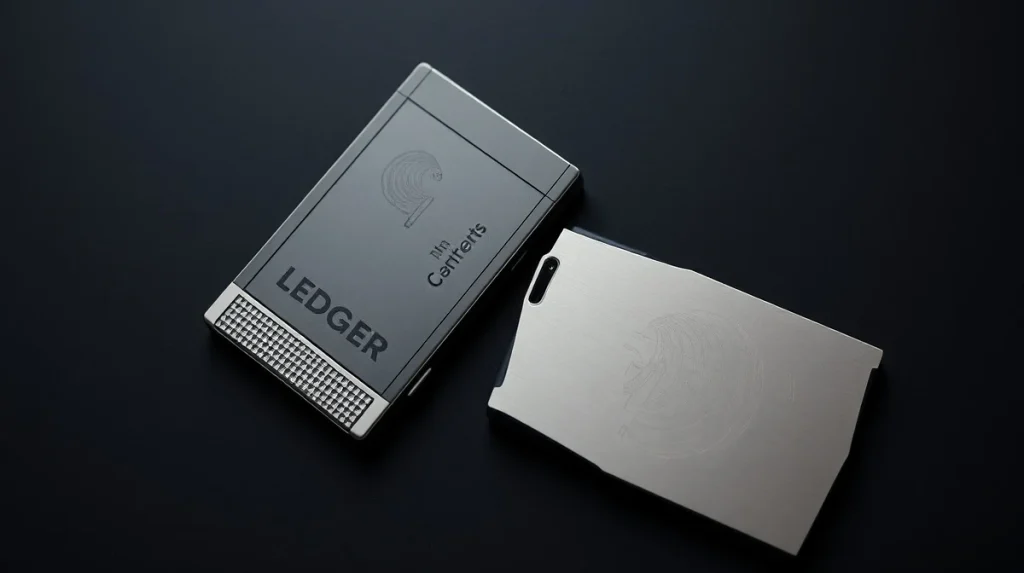
A security researcher in Brazil has uncovered a highly sophisticated counterfeit Ledger Nano S+ operation, revealing how fake devices are being used to drain cryptocurrency wallets across at least 20 different blockchains. The discovery, made public in April 2026, highlights a dangerous escalation in hardware wallet fraud. According to the researcher’s report, the counterfeit devices originated from a Chinese online marketplace and were loaded with custom malicious firmware designed to steal recovery phrases and private keys.
How the Counterfeit Ledger Nano S+ Operation Works
The scam’s mechanics are alarmingly effective. Buyers receive a device that looks nearly identical to a genuine Ledger Nano S+. The physical deception is just the first layer. When a user connects the device to their computer, it prompts them to install a fake version of Ledger’s official software, often called “Ledger Live.” This imposter application is the attack vector.
Also read: CZ Says Binance KYC Compliance Led to His Prison Term, While Hyperliquid Operates Without KYC
Once installed, the malicious software guides the user through a standard setup process. However, it secretly records the 24-word recovery seed phrase as the user enters it. This phrase is the master key to the cryptocurrency wallet. The software then transmits this data to the attackers’ servers. In some variants, the counterfeit device’s firmware itself is programmed to leak private keys during transaction signing. The result is total financial loss. Funds are siphoned from wallets on Ethereum, Bitcoin, Solana, Polygon, and 16 other supported chains, often within minutes or hours of setup.
The Researcher’s Findings
The Brazil-based researcher, who documented the operation, purchased the fake device to analyze it. Their technical breakdown shows the firmware was not a simple copy. It was a purpose-built tool for theft. “This isn’t a cheap knock-off with broken software,” the researcher noted in their report. “It’s a weaponized device designed from the ground up to look legitimate while performing criminal acts.” The fake companion app was also professionally packaged, mimicking the user interface and flow of the real Ledger Live to avoid suspicion.
Also read: Hyundai Card Tests Stablecoin Payments Between US and Mexico Subsidiaries
The Growing Threat of Fake Hardware Wallets
This incident is not isolated. Data from blockchain analytics firms shows a marked increase in thefts linked to compromised hardware over the past two years. The appeal for criminals is clear. Hardware wallets are trusted storage solutions for high-value assets. Compromising one can yield a much larger payoff than phishing a hot wallet. Industry watchers note that supply chain attacks, where counterfeits enter the market through unauthorized resellers, are a major vulnerability.
What this means for investors is heightened vigilance. The security promise of a hardware wallet is void if the device itself is malicious. This scam exploits the very trust that makes these products popular. The implication is that the point of purchase has become a critical security checkpoint.
How to Identify a Fake Ledger Device
Protecting yourself requires careful inspection. Ledger has published guidelines, but the fakes are improving. Here are key verification steps based on the researcher’s analysis:
- Purchase Source: Only buy directly from Ledger’s official website or from authorized partners listed on their site. Third-party marketplaces like Amazon, eBay, or AliExpress carry a high risk of counterfeits, even from sellers with high ratings.
- Initial Setup Check: A genuine Ledger device will display a “Genuine Check” on its screen when first connected to the official Ledger Live app. A counterfeit will fail this check or will not prompt for it at all if using fake software.
- Packaging Details: Look for spelling errors, low-quality printing, or missing holographic security seals on the box. The recent fakes, however, have near-perfect packaging.
- The Critical Test: The most reliable test is to initialize the device yourself. Never use a device that arrives pre-configured with a recovery sheet. A genuine device will always generate a new seed phrase on its secure screen during your first setup. If it asks you to enter an existing phrase upfront, it is malicious.
This suggests that user education is as important as technological safeguards. The scam works by tricking people into compromising their own security during a routine process.
Industry Response and Security Recommendations
Following the disclosure, Ledger reiterated its warnings against buying from unofficial sources. The company’s security team stated they are aware of such counterfeits and are continuously updating their genuine check technology. However, they emphasized that the supply chain is hardest to control after products leave their factory.
Security experts recommend a multi-layered approach:
- Verify the integrity of your device immediately upon receipt using the official Ledger Live app from Ledger’s website.
- Use a passphrase feature (the “25th word”) in addition to your standard 24-word seed, adding an extra layer of security even if the seed is compromised.
- Consider spreading large holdings across multiple hardware wallets from different brands to diversify risk.
Blockchain investigator ZachXBT has previously tracked funds stolen via similar methods, noting that stolen crypto is often quickly funneled through mixers or decentralized exchanges. Recovery of stolen funds is extremely rare. The permanent loss underscores the need for preventative action.
Conclusion
The exposure of this counterfeit Ledger Nano S+ operation serves as a stark warning. As cryptocurrency adoption grows, so does the sophistication of attacks targeting storage solutions. This scam moves beyond software hacks to compromise the hardware layer itself. For users, the lesson is clear: absolute trust in a physical device is dangerous. Security must begin at the moment of purchase by using only official channels. Diligence during the initial setup process is the final, vital defense against wallet-draining malware hidden in plain sight.
FAQs
Q1: How can I tell if my Ledger Nano S+ is counterfeit?
The definitive test is the “Genuine Check” within the official Ledger Live app. A genuine device will pass this cryptographic verification when connected. A fake device will fail or will not initiate the check. Also, a genuine device will never come pre-initialized with a seed phrase.
Q2: What should I do if I suspect I bought a fake Ledger?
Do not connect it to a computer with your crypto accounts or enter any seed phrase. Disconnect it immediately. If you have already set it up and funded it, you should move your funds to a new, verified wallet immediately using a different, secure device. Assume your keys are compromised.
Q3: Are other hardware wallet brands affected by similar counterfeits?
Yes. Trezor and other popular brands have also reported issues with counterfeit devices being sold on unofficial marketplaces. The same principles apply: only purchase from the manufacturer’s official website to guarantee authenticity.
Q4: Can the malicious firmware be detected by antivirus software?
Sometimes, but not reliably. The fake desktop application may be flagged by some security suites. However, the malicious firmware on the device itself operates at a lower level and is unlikely to be detected by standard PC antivirus programs.
Q5: If my wallet is drained, can I recover the stolen cryptocurrency?
Almost never. Cryptocurrency transactions are irreversible by design. While blockchain analysis can sometimes track the stolen funds, recovering them typically requires legal action and the cooperation of exchanges where the funds are cashed out, which is a lengthy and uncertain process.