Colombia’s Petro Eyes Caribbean Coast as a Hub for Bitcoin Mining Powered by Surplus Renewable Energy
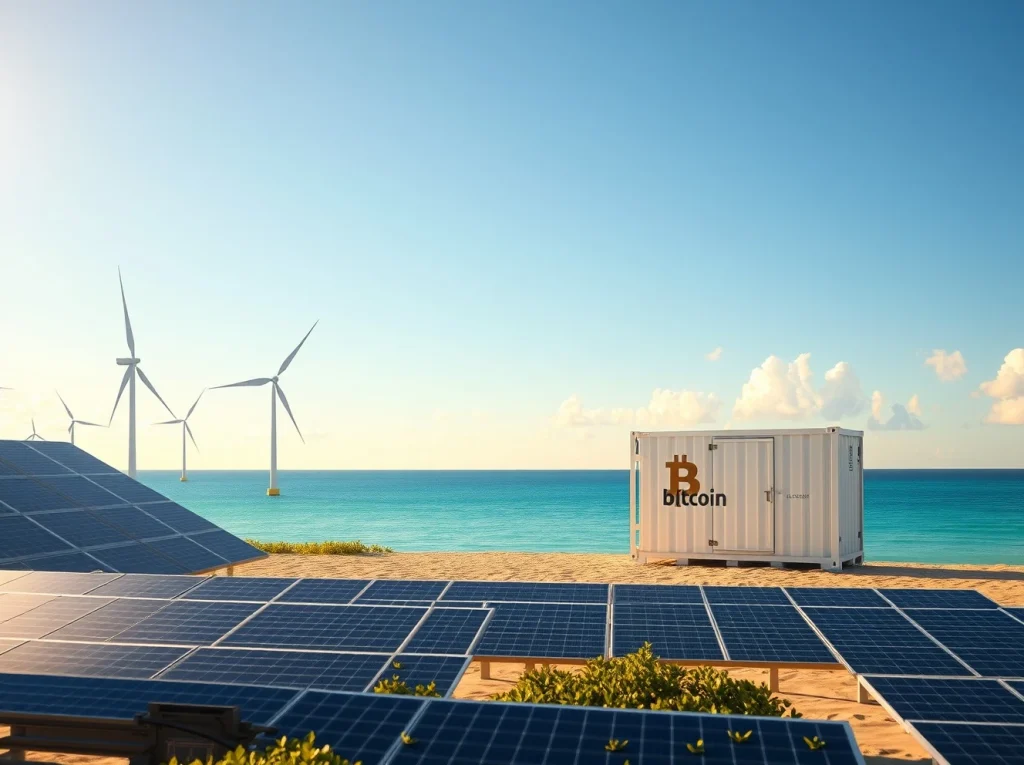
Colombian President Gustavo Petro has proposed transforming the country’s Caribbean coastline into a strategic hub for Bitcoin mining, utilizing surplus renewable energy from the region. In a recent statement, Petro identified the cities of Barranquilla, Santa Marta, and Riohacha as potential locations for mining operations, and suggested that the Wayúu indigenous community could become co-owners of the initiative.
Renewable Energy Surplus as a Catalyst
Colombia’s Caribbean region generates a significant amount of renewable energy, particularly from wind and solar sources, which often exceeds local demand. Petro’s proposal aims to channel this surplus into Bitcoin mining, an energy-intensive process that has faced criticism for its environmental impact. By using otherwise wasted energy, the plan seeks to turn a potential liability into an economic opportunity. The move aligns with a broader trend in Latin America, where countries like El Salvador and Paraguay have explored cryptocurrency mining to monetize excess renewable capacity.
Also read: CZ Says Binance KYC Compliance Led to His Prison Term, While Hyperliquid Operates Without KYC
Indigenous Co-Ownership and Social Impact
A notable element of Petro’s plan is the proposed involvement of the Wayúu community, one of Colombia’s largest indigenous groups, primarily residing in the La Guajira region near Riohacha. The president suggested that the Wayúu could become co-owners of mining projects, potentially providing a new revenue stream for a community that has historically faced economic marginalization. This approach mirrors some community-driven energy projects in other parts of the world, but it remains unclear how ownership structures would be implemented or what regulatory framework would govern them.
Implications for Colombia’s Crypto Sector
If pursued, Petro’s initiative could position Colombia as a notable player in the global Bitcoin mining industry, which has shifted toward renewable energy sources in recent years following China’s crackdown on mining operations. However, the plan faces several hurdles, including regulatory clarity, infrastructure development, and the volatility of cryptocurrency markets. Colombia’s government has not yet released detailed policy proposals or timelines, and it is uncertain whether the plan will gain legislative support.
Also read: Hyundai Card Tests Stablecoin Payments Between US and Mexico Subsidiaries
Conclusion
President Petro’s vision for Bitcoin mining on the Caribbean coast represents a novel attempt to combine renewable energy utilization with social inclusion. While the proposal has generated interest, its success will depend on concrete policy steps, investment, and community engagement. For now, it remains a conceptual framework rather than an operational plan, but it signals Colombia’s growing interest in integrating cryptocurrency into its economic strategy.
FAQs
Q1: Why is the Caribbean coast suitable for Bitcoin mining?
The region generates surplus renewable energy from wind and solar sources, which can power energy-intensive Bitcoin mining without adding strain to the national grid or increasing carbon emissions.
Q2: How would the Wayúu community benefit from this project?
President Petro proposed that the Wayúu could become co-owners of mining operations, potentially receiving a share of profits and gaining economic opportunities in a region where poverty rates are high.
Q3: Is this plan already approved or in motion?
No. The proposal is still in its early conceptual stage. No legislation, funding, or pilot projects have been announced, and significant regulatory and logistical challenges remain before any operations could begin.