CLARITY Act Gains Momentum After Lawmakers Reach Stablecoin Compromise
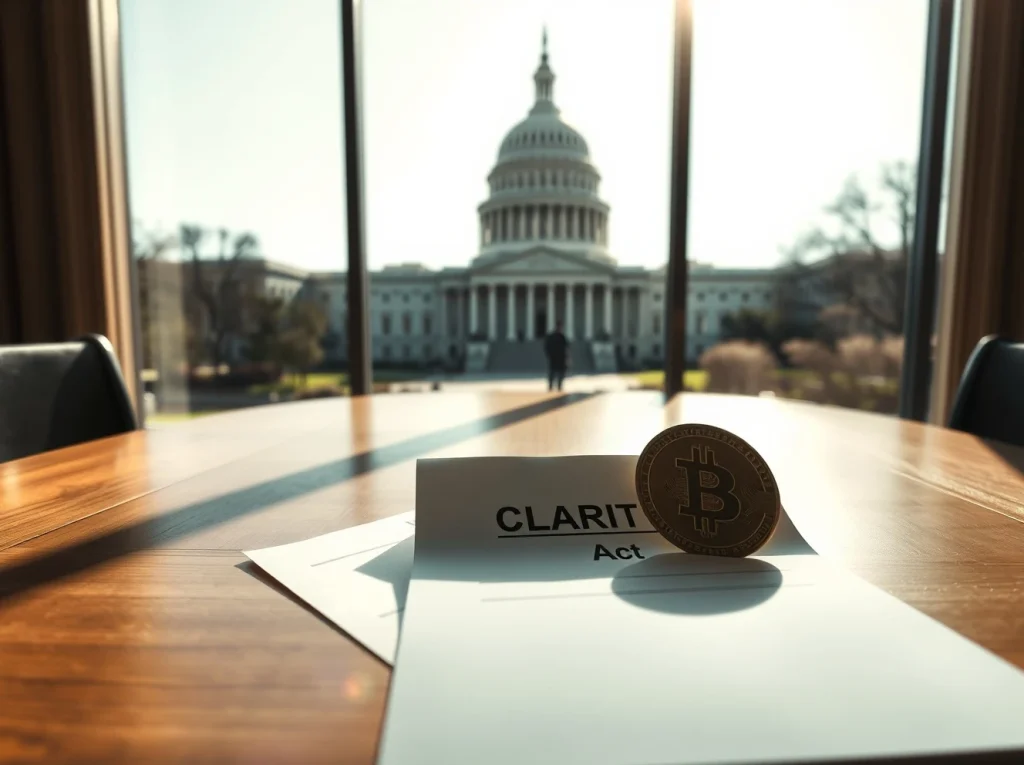
The CLARITY Act, a key piece of proposed cryptocurrency legislation in the United States, has gained renewed momentum after lawmakers reached a compromise on stablecoin rules. The deal resolves one of the primary obstacles that had stalled progress, giving Congress a clearer path to continue negotiations. The Senate is now expected to hold a markup session before the Memorial Day recess, marking a significant step forward for digital asset policy.
What the Stablecoin Compromise Entails
The compromise addresses long-standing disagreements over how stablecoins should be regulated at the federal level. Sources familiar with the discussions indicate that the agreement clarifies the jurisdictional boundaries between state and federal regulators, a key sticking point in earlier versions of the bill. Under the compromise, stablecoin issuers would be required to maintain one-to-one reserves with highly liquid assets and submit to regular audits. The deal also includes consumer protection provisions aimed at ensuring transparency in redemption processes.
Also read: BNB Chain Reveals New Layer 1 Blockchain for Agentic Trading, Mainnet Set for 2027
Lawmakers from both parties have expressed cautious optimism, though some details remain under negotiation. The compromise is seen as a pragmatic step that balances innovation with financial stability, a theme that has defined much of the recent crypto policy debate.
Why the CLARITY Act Matters for the Crypto Industry
The CLARITY Act, formally known as the Crypto Legal Authority and Regulatory Transparency Act, is designed to provide a comprehensive regulatory framework for digital assets. Its progress has been closely watched by industry participants, investors, and consumer advocates. A clear legal framework could reduce uncertainty for businesses operating in the United States and potentially attract more institutional investment.
Also read: Naver Financial and Dunamu Push Share Swap Deadline to December Amid Regulatory Hurdles
Stablecoins, which are digital tokens pegged to traditional currencies like the U.S. dollar, have grown rapidly in use for payments and decentralized finance. However, the lack of federal oversight has raised concerns about systemic risk and consumer protection. The compromise deal aims to address these issues without stifling innovation.
Senate Markup Expected Before Memorial Day
The Senate Banking Committee is expected to begin markup of the CLARITY Act in the coming weeks. A markup session allows committee members to propose amendments and debate the bill before it moves to the full Senate floor. The timeline is ambitious, but lawmakers appear motivated to advance the legislation before the summer recess.
Industry analysts suggest that the bill, if passed, could serve as a model for other jurisdictions grappling with digital asset regulation. The compromise deal has also drawn attention from international regulators, who are watching U.S. policy developments closely.
Conclusion
The CLARITY Act’s renewed momentum, driven by a bipartisan stablecoin compromise, represents a key moment for cryptocurrency regulation in the United States. With a Senate markup expected before Memorial Day, the coming weeks will be critical in determining the bill’s final shape. For the crypto industry, clearer rules could mean greater stability and growth, while consumers may benefit from stronger protections. The outcome remains uncertain, but the legislative path is now more defined than it has been in months.
FAQs
Q1: What is the CLARITY Act?
The CLARITY Act is a proposed U.S. federal law aimed at creating a comprehensive regulatory framework for digital assets, including stablecoins. It seeks to provide legal clarity for issuers, investors, and consumers.
Q2: What does the stablecoin compromise mean for the bill?
The compromise resolves key disagreements over state versus federal oversight and reserve requirements. It removes a major hurdle, allowing the bill to advance to Senate markup with broader bipartisan support.
Q3: When will the Senate vote on the CLARITY Act?
A markup session is expected before the Memorial Day recess. A full Senate vote would follow if the bill clears the committee stage, though the exact timeline depends on further negotiations.