Cardano Integrated Into Scorechain for Enhanced Compliance Monitoring
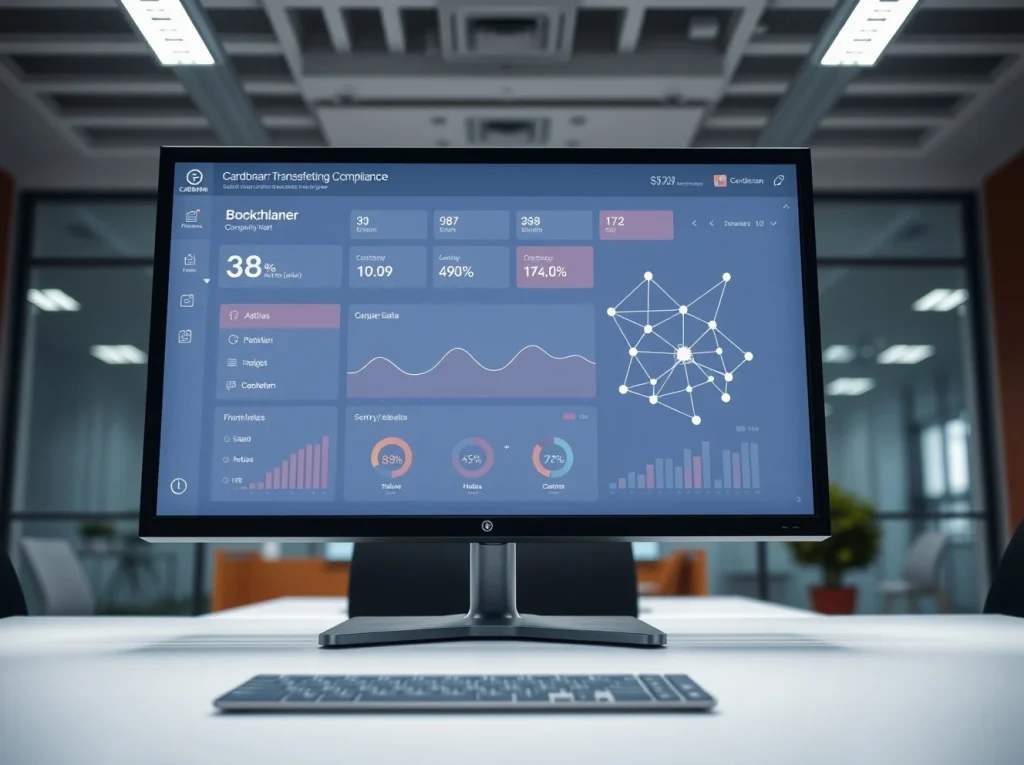
Cardano, the proof-of-stake blockchain platform, has been integrated into Scorechain, a European provider of blockchain analytics and compliance software. The integration enables financial institutions and virtual asset service providers (VASPs) using Scorechain to monitor Cardano-based transactions for anti-money laundering (AML) and counter-terrorism financing (CTF) compliance.
What the Integration Means
Scorechain’s platform now supports the Cardano blockchain, allowing compliance teams to track and analyze ADA transactions in real time. This includes risk scoring of addresses, transaction tracing, and reporting capabilities designed to meet regulatory obligations under frameworks like the EU’s Markets in Crypto-Assets (MiCA) regulation and the Financial Action Task Force (FATF) Travel Rule.
Also read: Telegram-Linked TAC Token Crashes 90% in 15 Minutes: What Happened?
For Cardano, the move represents a step toward broader institutional adoption. Many regulated entities require solid compliance tooling before engaging with a blockchain network. By integrating with Scorechain, Cardano becomes more accessible to banks, exchanges, and custodians that must verify the legitimacy of funds flowing through the network.
Context and Industry Background
Scorechain is headquartered in Luxembourg and provides analytics for multiple blockchains, including Bitcoin, Ethereum, and several stablecoins. Its risk engine uses heuristic analysis and clustering to identify suspicious activity. The addition of Cardano fills a gap for institutions seeking to offer services on the network without compromising on compliance.
Also read: XRP Scarcity Index on Binance Hits Highest Level Since Mid-2024, So Where Did the Coins Go?
Cardano has been actively expanding its ecosystem through smart contract capabilities via the Alonzo upgrade and ongoing development of sidechains and scaling solutions. However, compliance infrastructure has lagged behind that of more established networks. This integration addresses that gap directly.
Why This Matters for Readers
For investors and developers in the Cardano ecosystem, this development signals growing maturity. Institutional capital often requires a clear compliance pathway, and Scorechain’s support removes a barrier that previously limited Cardano’s use in regulated finance. For compliance professionals, it provides a new tool to manage risk across a blockchain that is gaining traction in decentralized finance (DeFi) and tokenization projects.
The integration also reflects a broader trend: blockchain networks are increasingly judged not just on technical performance but on their ability to integrate with existing financial regulatory frameworks. Networks that fail to provide compliance tooling risk being sidelined in institutional markets.
Conclusion
The integration of Cardano into Scorechain’s compliance monitoring platform is a practical development that enhances the network’s usability for regulated entities. It adds a layer of transparency and risk management that is becoming standard in the cryptocurrency industry. While the announcement is relatively brief, its implications for Cardano’s institutional roadmap are significant, particularly as global regulators tighten oversight of digital assets.
FAQs
Q1: What is Scorechain?
Scorechain is a European blockchain analytics company that provides AML and compliance software for virtual asset service providers and financial institutions. It supports multiple blockchains and offers transaction monitoring, risk scoring, and reporting tools.
Q2: How does this integration affect Cardano users?
For everyday users, there is no direct change. However, the integration makes it easier for regulated businesses like exchanges and custodians to offer Cardano services, potentially increasing liquidity and adoption of ADA.
Q3: Is this integration mandatory for compliance?
No, it is optional. However, for VASPs operating under strict AML regulations, using a platform like Scorechain helps meet legal requirements for transaction monitoring and suspicious activity reporting. The integration gives them the option to include Cardano in their compliance workflow.