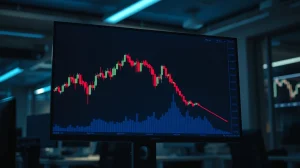
Cardano Price in Peril: ADA Tests Critical Multi-Year Support Level
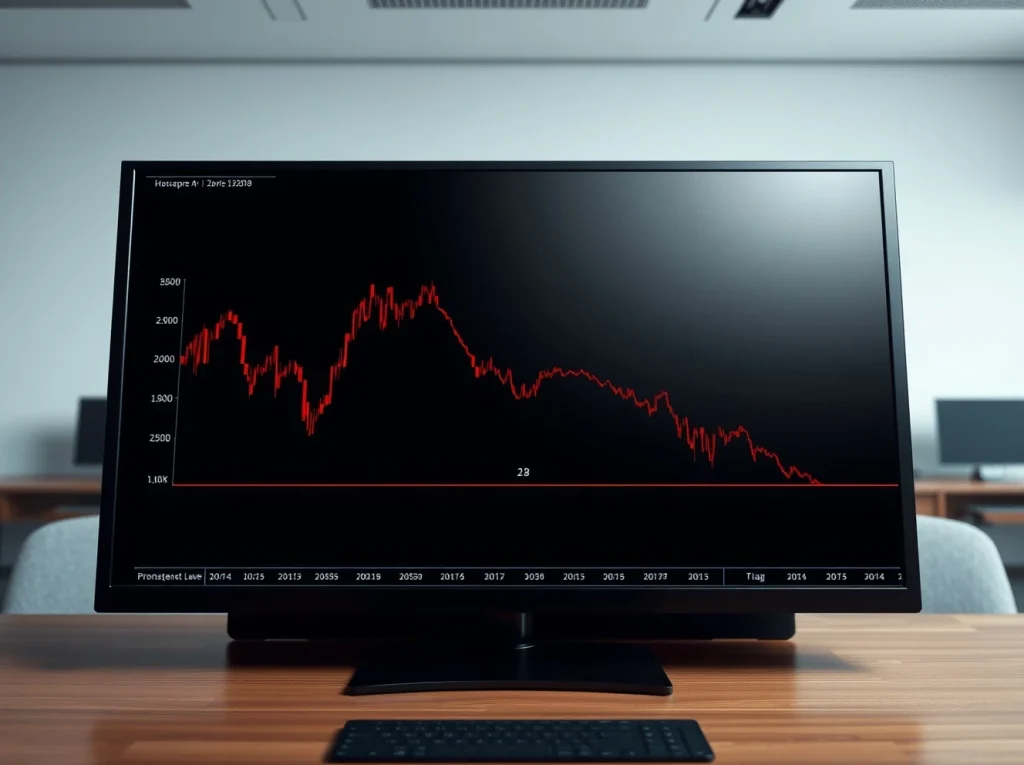
The price of Cardano’s ADA token is testing a support level it has held for over three years. A break below this line could signal a major shift in market structure. This analysis examines the technical setup, the broader crypto market context, and potential scenarios for what comes next for ADA holders.
Cardano’s Critical Support Zone
As of late March 2026, ADA is trading near $0.45. This area represents a significant historical support zone. According to data from TradingView, this price level has acted as a floor for ADA on three separate occasions since late 2022. Each previous test resulted in a substantial price rebound. The current test, however, comes amid weaker overall market sentiment. Trading volume has declined by approximately 35% over the past month, data from CoinMarketCap shows. Lower volume during a support test often suggests weaker buying conviction. This raises the risk of a breakdown.
Also read: Telegram-Linked TAC Token Crashes 90% in 15 Minutes: What Happened?
Market analysts are watching the order books closely. “The $0.40 to $0.45 range has been a massive accumulation zone for years,” noted a report from crypto analytics firm IntoTheBlock. “A sustained close below it would invalidate a long-held bullish thesis for many investors.” The implication is clear. This is more than a short-term price point. It is a line in the sand for market psychology.
Broader Market Pressures Weigh on ADA
ADA’s struggle is not occurring in a vacuum. The entire cryptocurrency market faces headwinds. Bitcoin, the market leader, has failed to sustain a rally above key resistance levels. This has dragged down altcoins like Cardano. Furthermore, network activity metrics for Cardano show mixed signals. While the number of active addresses has remained stable, the total value locked in its decentralized finance ecosystem has stagnated. Data from DeFiLlama indicates Cardano’s TVL has hovered around $250 million for the past six months. During the same period, competitors like Solana and Avalanche have seen growth. This suggests capital may be flowing to other chains.
Also read: XRP Scarcity Index on Binance Hits Highest Level Since Mid-2024, So Where Did the Coins Go?
What this means for investors is a confluence of negative factors. Technical weakness meets fundamental stagnation. Industry watchers note that without a catalyst for renewed on-chain activity or development excitement, ADA relies heavily on broader crypto sentiment. That sentiment is currently fragile. Regulatory uncertainty in major markets and a cautious macroeconomic outlook have kept large institutional buyers on the sidelines. The result is a market lacking the fuel for a sustained rally.
The Developer Perspective
From a development standpoint, the Cardano network continues its planned upgrades. The Chang hard fork, aimed at advancing decentralized governance, is anticipated. However, the timeline for major, market-moving upgrades has lengthened. This has tested the patience of some investors. A blockchain’s price often reflects not just current utility, but anticipated future utility. Delays can dampen that anticipation. This could signal a period of consolidation where price waits for fundamental progress to catch up.
Potential Scenarios for ADA’s Next Move
Two primary paths emerge from the current setup. The first is a successful hold of support followed by a rebound. For this to happen, analysts say ADA needs a surge in buying volume. This could be triggered by a positive shift in Bitcoin’s trend or Cardano-specific news. The target for a rebound would initially be the 50-day moving average, currently near $0.55. A move above that would suggest the bearish pressure is easing.
The second, more concerning scenario is a breakdown. A daily closing price below $0.40, confirmed with higher-than-average volume, would be a strong sell signal. The next major support level sits near $0.30, a zone last seen in early 2021. This suggests a potential 25-30% decline from current levels if support fails. Such a move would likely trigger stop-loss orders and increase selling pressure.
Key levels to watch:
- Immediate Support: $0.40 – $0.45 (Multi-year zone)
- Major Resistance: $0.55 – $0.60 (50-day & 200-day moving averages)
- Next Support if Broken: $0.28 – $0.32 (2021 accumulation zone)
Historical Context and Investor Sentiment
Cardano has weathered severe bear markets before. It fell over 90% from its 2021 all-time high near $3.10 to its 2022 low. The subsequent recovery to the $0.45 support zone was seen as a sign of resilience. Now, that resilience is being tested again. Data from sentiment analysis platforms like Santiment shows social media discussion around ADA is dominated by fear and uncertainty. The weighted sentiment score has been negative for several consecutive weeks. Historically, extreme fear can sometimes precede a market bottom. But it is not a reliable timing indicator on its own.
This suggests the market is at an inflection point. The long-term chart shows ADA is in a broad consolidation pattern. A break below support would define that consolidation as a continuation pattern within a larger bear market. A bounce would reinforce the idea that a long-term base is still being built. The coming weeks are critical for determining which narrative wins.
Conclusion
The Cardano price is at a critical juncture. The multi-year support zone around $0.45 is the most important technical level for ADA in months. A failure to hold here would likely lead to a significant decline, shaking out long-term holders. Conversely, a strong bounce could restore confidence and set the stage for recovery. Investors should watch for a decisive daily close above $0.55 or below $0.40 for the next clear directional signal. Until then, the market remains in a state of high-risk tension.
FAQs
Q1: What is the multi-year support level for Cardano (ADA)?
The key support zone is between $0.40 and $0.45. This price area has acted as a floor for ADA during several major market downturns since late 2022.
Q2: What happens if ADA breaks below $0.40?
A confirmed break below $0.40, especially on high volume, would be a strongly bearish technical signal. The next major historical support sits near the $0.30 level, suggesting a potential further decline of 25% or more.
Q3: What could cause ADA to bounce from this support?
A rebound would likely require a positive shift in overall crypto market sentiment, often led by Bitcoin, combined with increased buying volume at the support level. Positive Cardano-specific development news could also act as a catalyst.
Q4: How does Cardano’s current situation compare to past cycles?
ADA is testing a support level that has held for over three years, making this test more significant than typical short-term corrections. A break below would be a first since the bear market of 2022-2023.
Q5: What should investors watch for in the coming days?
Investors should monitor the daily closing price relative to the $0.40-$0.45 zone and trading volume. A close below $0.40 with high volume is a sell signal. A swift rebound above $0.55 would indicate strength. Also, watch Bitcoin’s price action, as it heavily influences altcoin trends.