BlackRock Urges OCC to Scrap 20% Cap on Tokenized Reserve Assets
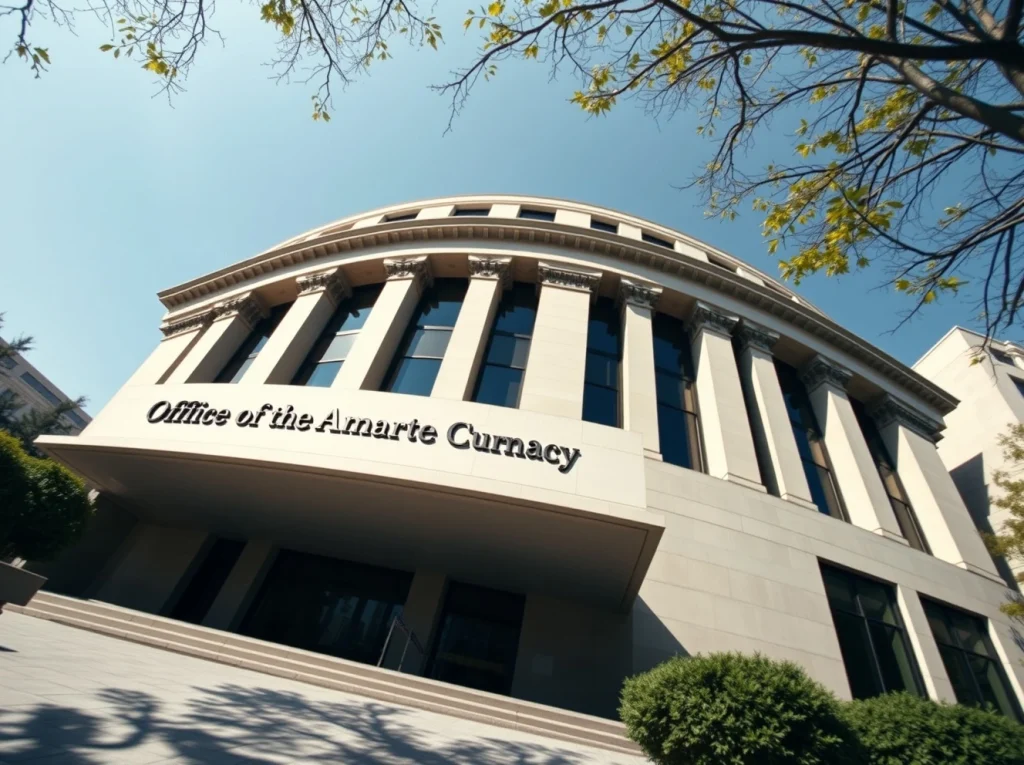
BlackRock, the world’s largest asset manager with over $10 trillion in assets under management, has formally requested the Office of the Comptroller of the Currency (OCC) to eliminate the existing 20% limit on tokenized reserves held by national banks. The move signals a major push by traditional finance giants to expand the use of blockchain-based assets in regulated banking operations.
Background on the 20% Limit
The 20% cap was introduced under OCC Interpretive Letter 1174, issued in January 2021, which allowed national banks to use blockchain networks and stablecoins for payment activities. However, the letter restricted the amount of reserves that could be held in tokenized form to 20% of a bank’s total reserves. This limit was intended as a cautious first step, allowing regulators to monitor risks before permitting broader exposure.
Also read: Telegram-Linked TAC Token Crashes 90% in 15 Minutes: What Happened?
BlackRock’s request argues that the cap is now outdated, given the rapid maturation of digital asset infrastructure, custody solutions, and risk management practices. The firm believes the restriction unnecessarily limits innovation and the efficiency gains that tokenization can bring to banking operations.
Why BlackRock Is Pushing for Change
BlackRock has been a prominent advocate for tokenization, viewing it as a transformative technology for capital markets. The firm launched its own tokenized fund, the BlackRock USD Institutional Digital Liquidity Fund (BUIDL), in March 2024, which invests in tokenized assets. Removing the 20% cap would allow banks to hold larger portions of their reserves in tokenized form, potentially reducing settlement times and operational costs.
Also read: XRP Scarcity Index on Binance Hits Highest Level Since Mid-2024, So Where Did the Coins Go?
The asset manager’s lobbying efforts align with a broader trend among major financial institutions seeking clearer regulatory frameworks for digital assets. JPMorgan, Goldman Sachs, and Fidelity have also made significant investments in blockchain infrastructure, signaling that tokenization is no longer a fringe experiment but a strategic priority.
Impact on Stablecoins and Crypto Markets
If the OCC agrees to remove the cap, it could accelerate the adoption of stablecoins and tokenized deposits by national banks. This would provide a regulated on-ramp for institutional investors to access digital assets, potentially increasing liquidity and stability in the crypto markets. Conversely, critics warn that larger tokenized reserves could introduce systemic risks if not accompanied by reliable oversight, particularly regarding custody, cybersecurity, and redemption mechanisms.
Regulatory and Political Context
The request comes at a time of shifting regulatory dynamics in the United States. The OCC, under acting leadership, has shown a willingness to engage with digital asset innovation. However, the broader regulatory space remains fragmented, with the SEC and CFTC also asserting jurisdiction over various aspects of crypto markets. BlackRock’s move may pressure other regulators to clarify their positions, potentially leading to more coherent federal policies.
Industry observers note that the outcome of this request could set a precedent for how traditional finance integrates blockchain technology. A favorable ruling from the OCC would likely be seen as a green light for other major banks to expand their tokenization efforts.
Conclusion
BlackRock’s call to eliminate the 20% tokenized reserve cap represents a major moment in the convergence of traditional banking and digital assets. While the OCC has not yet indicated its stance, the request underscores the growing demand from institutional players for regulatory frameworks that support innovation without compromising safety. The decision could have far-reaching implications for the future of tokenization, stablecoin adoption, and the broader crypto ecosystem.
FAQs
Q1: What is the OCC’s 20% limit on tokenized reserves?
The limit, established in Interpretive Letter 1174 (2021), restricts national banks from holding more than 20% of their total reserves in tokenized form, such as stablecoins or other blockchain-based assets.
Q2: Why does BlackRock want the cap removed?
BlackRock argues that the cap is outdated and hinders the efficiency, speed, and innovation that tokenization offers to banking operations. The firm believes the digital asset infrastructure has matured enough to safely handle larger tokenized reserves.
Q3: What could happen if the OCC removes the limit?
Removing the cap could encourage wider adoption of tokenized deposits and stablecoins by regulated banks, potentially increasing institutional participation in crypto markets and improving settlement efficiency. However, it also raises concerns about systemic risk and the need for enhanced regulatory oversight.