Bitcoin Rally Gains Steam as Bearish Positioning Hits Decade High
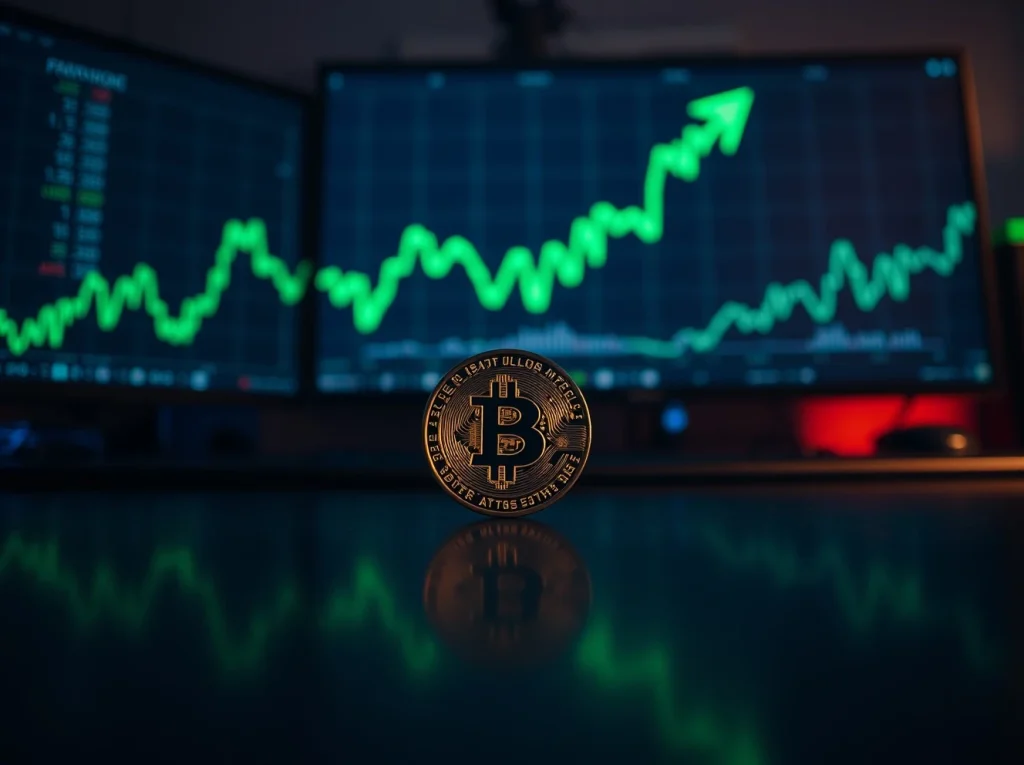
Bitcoin extended its recovery on Wednesday, climbing back above $82,000 for the first time in over three months. The move higher comes alongside an unusual divergence in the derivatives market: trader positioning has turned aggressively bearish, reaching levels not seen in nearly a decade. Analysts at K33 Research warn that the gap between price action and sentiment could be setting the stage for a powerful short squeeze.
Derivatives Market Shows Record Bearish Bias
The funding rate for Bitcoin perpetual futures has remained negative for its longest continuous stretch in years, according to data from multiple exchanges. A negative funding rate means that short positions are paying longs to maintain their bets, a condition typically associated with extreme bearish sentiment. Historically, such prolonged negativity has preceded sharp upward reversals as short sellers are forced to cover.
Also read: BNB Chain Reveals New Layer 1 Blockchain for Agentic Trading, Mainnet Set for 2027
K33 Research noted in a recent report that the current positioning is among the most bearish on record, comparable only to periods following major market dislocations. The firm highlighted that while sentiment is overwhelmingly negative, on-chain metrics and spot market flows suggest accumulation by long-term holders, creating a tension that often resolves in favor of the bulls.
Price Action and Market Context
Bitcoin’s rally above $82,000 marks a significant recovery from the lows seen in late 2024, when prices briefly dipped below $70,000. The move has been accompanied by rising trading volumes on spot exchanges, indicating genuine buying interest rather than purely speculative activity. Institutional inflows into Bitcoin exchange-traded products have also picked up in recent weeks, adding to the positive momentum.
Also read: Naver Financial and Dunamu Push Share Swap Deadline to December Amid Regulatory Hurdles
The broader macroeconomic backdrop remains mixed. While interest rate expectations have stabilized, regulatory developments in the United States and Europe continue to influence investor confidence. The approval of several spot Bitcoin ETFs in key markets has provided a structural floor for demand, even as retail sentiment remains cautious.
What a Short Squeeze Could Mean for Traders
If Bitcoin continues to rally, the large concentration of short positions could amplify gains rapidly. A short squeeze occurs when rising prices force bearish traders to buy back their positions to limit losses, creating a feedback loop that drives prices even higher. The current funding rate data suggests that the market is heavily skewed toward a single direction, increasing the probability of a violent reversal.
Traders should be aware that while the setup favors upside in the near term, the same positioning data also indicates that the market is vulnerable to sudden volatility. Risk management remains critical, especially given the historically extreme nature of the current bearish bet.
Conclusion
Bitcoin’s return above $82,000 represents a notable shift in market dynamics, but the most telling signal may be coming from the derivatives market. With bearish positioning at decade extremes and funding rates deeply negative, the stage appears set for a potential short squeeze. While the outlook remains uncertain, the data suggests that traders betting against Bitcoin are increasingly exposed to a rapid reversal.
FAQs
Q1: What is a funding rate and why does it matter?
A funding rate is a periodic payment between long and short traders in perpetual futures contracts. A negative funding rate means shorts are paying longs, indicating bearish sentiment. When funding rates are extremely negative, it often signals that the market is overly bearish and a reversal may be near.
Q2: How long has Bitcoin’s funding rate been negative?
According to K33 Research, Bitcoin’s perpetual futures funding rate has been negative for its longest continuous stretch in years, with the current extreme comparable to levels seen only a handful of times in the past decade.
Q3: What is a short squeeze?
A short squeeze occurs when a rising price forces short sellers to buy back their positions to cover losses, which further drives up the price. It can lead to rapid, outsized gains in a short period, especially when there is a large concentration of short positions.