Bitcoin Funding Rates Hit 2020 Lows on Binance as New Fed Era Under Warsh Approaches
Bitcoin perpetual futures funding rates on Binance have fallen to levels not seen since 2020, signaling a significant shift in market sentiment. This development comes as the crypto industry braces for a new chapter in U.S. monetary policy under the anticipated leadership of Kevin Warsh at the Federal Reserve.
What Are Funding Rates Telling Us?
Funding rates are periodic payments exchanged between long and short traders in perpetual futures contracts. When rates are positive, longs pay shorts, indicating bullish sentiment. When negative, shorts pay longs, reflecting bearish positioning. The current drop to 2020 lows suggests that traders are overwhelmingly short Bitcoin, a position that historically has preceded sharp upside moves due to short squeezes.
Also read: Zcash Co-Founder Eli Ben-Sasson Questions Bitcoin's 21M Cap, Proposes 4% Annual Growth
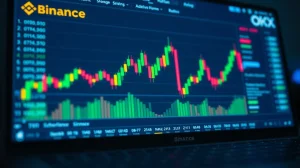
Data from Binance, the world’s largest crypto exchange by volume, shows funding rates turning deeply negative in recent days. This is the most extreme bearish positioning since the market turmoil of March 2020, when Bitcoin traded near $5,000. However, analysts caution that low funding rates alone do not guarantee a price rally, as external macroeconomic factors remain a dominant force.
The Fed Transition: Warsh in Focus
The potential appointment of Kevin Warsh as the next Federal Reserve chair adds a layer of uncertainty for Bitcoin investors. Warsh, a former Fed governor and Wall Street veteran, is seen as a more hawkish figure compared to current Chair Jerome Powell. Markets are pricing in a shift toward tighter monetary policy, which historically weighs on risk assets like Bitcoin.
Also read: Binance DOJ Report Raises New Questions About Crypto Enforcement
Warsh has previously criticized the Fed’s aggressive bond-buying programs and has advocated for a rules-based approach to monetary policy. If confirmed, his leadership could mean higher interest rates for longer, reducing liquidity in the financial system. For Bitcoin, which has often traded as a risk-on asset, this could suppress prices in the near term.
Historical Context and Market Implications
Bitcoin funding rates last touched these negative levels during the COVID-19 crash in March 2020. At that time, the extreme bearishness preceded a massive rally that took Bitcoin from $5,000 to over $60,000 within 18 months. While history does not repeat perfectly, the pattern suggests that contrarian investors may see an opportunity.
However, the current environment differs significantly. In 2020, central banks were flooding markets with stimulus. Today, the Fed is in tightening mode, and a Warsh-led Fed could accelerate that process. The interplay between low funding rates (a technical bullish signal) and hawkish monetary policy (a fundamental bearish signal) creates a complex outlook for Bitcoin.
What Bitcoin Investors Should Watch
For investors, the key variables are the pace of Fed rate decisions under Warsh and the broader adoption of Bitcoin as a hedge against inflation. If the Fed’s tightening slows economic growth, Bitcoin could benefit as a store of value. Conversely, if rate hikes continue aggressively, Bitcoin may struggle to find a floor.
On-chain data also shows that long-term holders are accumulating, suggesting that institutional investors are not deterred by short-term funding rate fluctuations. The current setup mirrors past accumulation phases that preceded major bull runs, but the macro backdrop remains the primary driver.
Conclusion
The combination of historically low Bitcoin funding rates and a changing of the guard at the Federal Reserve creates a key moment for crypto markets. While short-term bearish sentiment dominates futures markets, the potential for a reversal is real. Investors should focus on the broader macro environment, particularly Fed policy under Warsh, rather than relying solely on funding rate signals. The next few months will be critical in determining whether Bitcoin can decouple from traditional risk assets or remain tethered to global liquidity conditions.
FAQs
Q1: What does a negative Bitcoin funding rate mean?
A negative funding rate means short traders are paying long traders, indicating that most futures traders are betting on a price decline. It can signal extreme bearish sentiment and sometimes precedes a short squeeze rally.
Q2: How might Kevin Warsh’s Fed affect Bitcoin?
Warsh is considered more hawkish on inflation, which could lead to higher interest rates and tighter liquidity. This environment typically reduces risk appetite, potentially pressuring Bitcoin prices in the short term.
Q3: Should I buy Bitcoin when funding rates are low?
Low funding rates can be a contrarian buy signal, but they should not be used in isolation. Macro factors like Fed policy, inflation data, and broader market trends must also be considered. It is not a guaranteed indicator of a price rally.