Bhutan Bitcoin Sell-Off Accelerates: Another 100 BTC Transferred as Sovereign Liquidation Continues
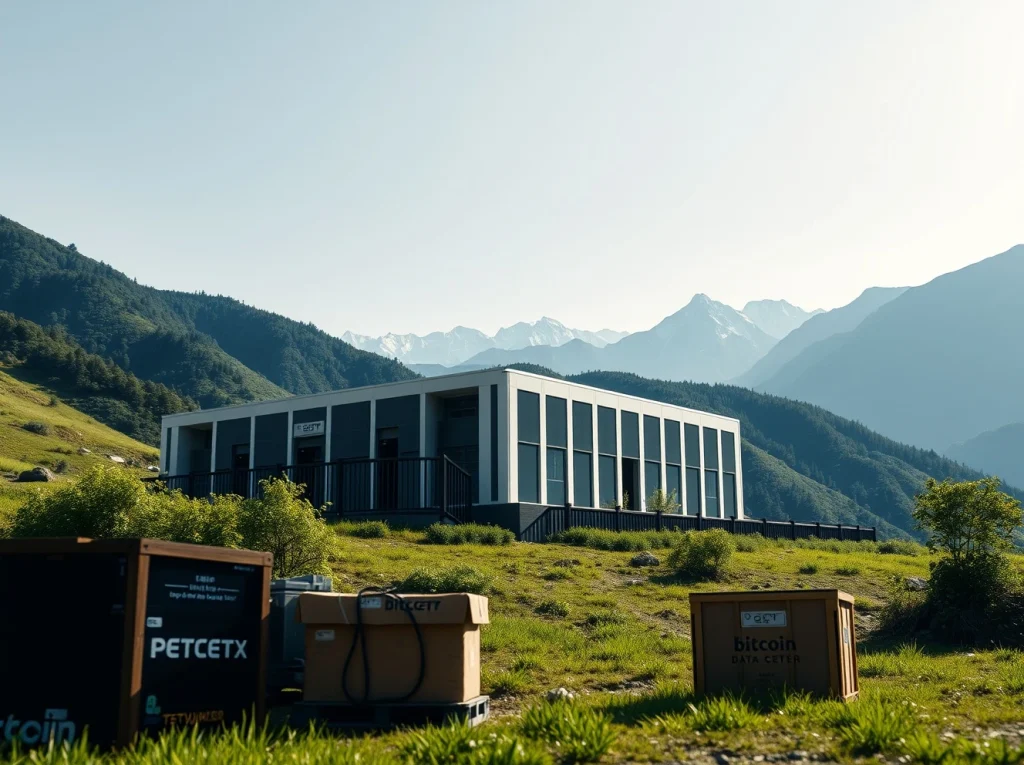
Bhutan has moved another 100 Bitcoin (BTC) from its sovereign wallets, continuing a structured sell-off that has now seen over 9,500 BTC liquidated. The transfer, worth approximately $7.83 million, was detected by blockchain tracking systems on April 29, 2026. This marks the latest step in a shift from the country’s hydropower-driven mining era into a full liquidation phase.
Bhutan Bitcoin Sell-Off: A Sovereign Strategy
Bhutan began selling Bitcoin in early 2025. The Royal Government of Bhutan had accumulated a significant stash through state-backed mining operations powered by its abundant hydropower resources. But the strategy has now changed. Data from on-chain analytics firm Arkham Intelligence shows that Bhutan’s wallets have steadily reduced holdings.
Also read: BNB Chain Reveals New Layer 1 Blockchain for Agentic Trading, Mainnet Set for 2027
Over 9,500 BTC have been sold so far. The latest transfer of 100 BTC brings the total sold closer to 10,000. Analysts tracking the wallets note that the sales are methodical. They are not panic-driven. Each transfer is roughly the same size, spaced days or weeks apart.
“This is a controlled exit,” said one blockchain analyst who monitors sovereign wallets. “They are not flooding the market. The pattern suggests a deliberate plan to monetize the holdings over time.”
Also read: Naver Financial and Dunamu Push Share Swap Deadline to December Amid Regulatory Hurdles
Why Bhutan Is Selling
Bhutan’s Bitcoin mining operation was unique. The country used excess electricity from its hydropower plants to run mining rigs. This gave it a low-cost advantage. But the market has changed. Mining difficulty has risen. Energy costs, though low, are not zero. And the government likely needs liquidity.
Bhutan’s economy relies heavily on tourism and hydropower exports. Both sectors have faced pressure. Selling Bitcoin provides a cash buffer. It also reduces exposure to crypto price volatility.
Industry watchers note that Bhutan is not alone. Other nations with state-held Bitcoin, like El Salvador, have also sold portions of their holdings. But Bhutan’s approach is more systematic. El Salvador has bought and sold in response to market moves. Bhutan sells on a fixed schedule.
Impact on Bitcoin Market
The sell-off has not caused major price disruption. Bitcoin traded around $78,300 on April 30, 2026, down slightly from recent highs. The gradual nature of Bhutan’s sales absorbs them without shocking the market.
But the cumulative effect matters. Over 9,500 BTC is a large amount. At current prices, that is over $740 million. The market has absorbed it, but it has added to selling pressure.
Other large holders are also selling. The German government sold 50,000 BTC in 2025. The U.S. government has auctioned seized Bitcoin. Sovereign selling is a trend. It is not a crash signal, but it does weigh on sentiment.
Data from CoinGlass shows that open interest in Bitcoin futures has declined slightly. This suggests some traders are reducing positions ahead of potential further sales.
Timeline of Bhutan’s Bitcoin Sales
| Date | BTC Sold | Value (Approx.) |
|---|---|---|
| January 2025 | 500 | $21 million |
| March 2025 | 1,000 | $45 million |
| June 2025 | 2,000 | $110 million |
| September 2025 | 1,500 | $85 million |
| December 2025 | 2,000 | $130 million |
| February 2026 | 1,500 | $115 million |
| April 2026 | 1,000 | $78 million |
Total sold: 9,500 BTC. Estimated value: over $584 million. The remaining balance in Bhutan’s wallets is estimated at around 500 BTC.
Analysts Expect Full Exit by 2026
If the current pace continues, Bhutan could sell its remaining Bitcoin by late 2026. Analysts at crypto research firm K33 Research project a complete exit within 12 to 18 months. The implication is that Bhutan is exiting the Bitcoin mining business entirely.
“They are not just selling the coins. They are likely shutting down or repurposing the mining infrastructure,” said a senior analyst at K33. “The hydropower will go back to the grid or be used for other industrial purposes.”
This could signal a broader trend. Other small nations that experimented with Bitcoin mining may follow. The era of state-backed mining may be ending. The costs and risks are becoming harder to justify.
What This Means for Investors
For Bitcoin investors, sovereign selling is a known risk. It adds supply to the market. But it is predictable. Bhutan’s sales are telegraphed. The market can price them in.
More concerning would be a sudden acceleration. If Bhutan decided to sell all remaining coins at once, it could cause a price drop. But the pattern so far suggests discipline.
What this means for the broader crypto market is that sovereign holdings are becoming less common. The trend is toward selling, not holding. This could reduce the narrative of Bitcoin as a reserve asset for nations.
Bhutan’s Broader Economic Context
Bhutan’s economy is small. GDP is around $2.5 billion. The Bitcoin holdings represented a significant portion of national wealth. Selling them provides a fiscal boost.
The government has not publicly stated its reasons. But the timing aligns with economic needs. Tourism revenue has not fully recovered. Hydropower exports face competition from regional neighbors. The cash from Bitcoin sales helps bridge budget gaps.
Bhutan also faces pressure from international financial institutions. The IMF has urged countries to limit exposure to volatile assets. Selling Bitcoin may be part of a broader fiscal consolidation.
Technical Details of the Transfer
The latest transfer was detected by blockchain monitoring service Whale Alert. The 100 BTC moved from a wallet labeled “Bhutan Government” to an address not previously associated with any exchange. This suggests the coins are being moved to a different wallet for eventual sale, not sold directly.
Blockchain data shows the transaction was a single input, single output transfer. The fee was minimal, under $1. This is typical for internal wallet management. The receiving address has not yet sent the coins to an exchange. But past patterns suggest it will within days.
Tracking these movements is possible because Bhutan’s wallets are well-known. They have been flagged by multiple analytics firms. This transparency allows the market to anticipate sales.
Conclusion
Bhutan’s Bitcoin sell-off continues with another 100 BTC transferred. The sovereign liquidation is methodical and controlled. Over 9,500 BTC have been sold so far. Analysts expect a full exit by late 2026. The move reflects a shift from Bitcoin mining to monetization. For the market, it is a known supply factor. For Bhutan, it provides needed liquidity. The Bhutan Bitcoin sell-off is a case study in how nations manage digital assets. It is not a panic. It is a plan.
FAQs
Q1: Why is Bhutan selling its Bitcoin?
Bhutan is selling Bitcoin to raise cash for its economy. The country needs liquidity. The sales are part of a structured plan to monetize its mining holdings.
Q2: How much Bitcoin has Bhutan sold so far?
Over 9,500 BTC have been sold as of April 30, 2026. The total value is over $584 million at current prices.
Q3: Will Bhutan sell all its Bitcoin?
Analysts expect a full exit by late 2026. The pace of sales suggests the government intends to sell its remaining holdings.
Q4: Does the sell-off affect Bitcoin’s price?
The sell-off has added selling pressure but has not caused major price drops. The gradual nature of the sales helps the market absorb them.
Q5: How does Bhutan mine Bitcoin?
Bhutan uses excess electricity from its hydropower plants to run mining rigs. This gave it a low-cost advantage. The mining operation is now winding down.
Q6: Are other countries selling Bitcoin?
Yes. El Salvador, Germany, and the U.S. government have also sold Bitcoin. Sovereign selling is a growing trend in 2025 and 2026.