Aave Fights to Block $71M Crypto Seizure in Explosive North Korea Legal Clash
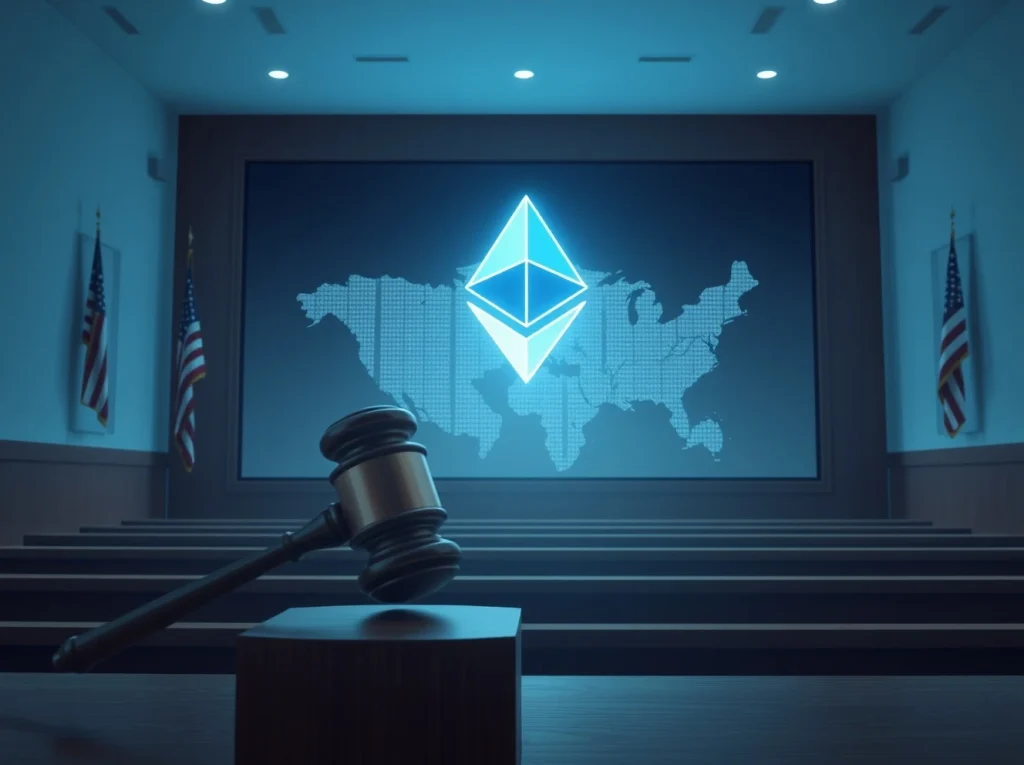
Aave, a leading decentralized finance protocol, now fights to block a $71 million crypto seizure. This legal battle stems from a North Korea legal clash. The United States government seeks to confiscate these digital assets. They link the funds to alleged hacking activities by North Korean state-sponsored groups. This case tests the boundaries of DeFi regulation and international sanctions.
Aave Fights to Block $71M Crypto Seizure: The Core Dispute
The legal conflict centers on funds allegedly stolen by the Lazarus Group. This North Korean hacking collective targets cryptocurrency platforms. The U.S. Department of Justice argues these assets must be seized. They claim the funds violate sanctions against North Korea. Aave, however, challenges this seizure. The protocol argues it holds the assets in good faith. It also claims it cannot easily reverse transactions due to its decentralized nature.
Also read: Telegram-Linked TAC Token Crashes 90% in 15 Minutes: What Happened?
This case marks a significant moment for the crypto industry. It raises questions about how decentralized platforms handle illicit funds. Aave’s fight to block the $71M crypto seizure highlights a fundamental tension. The tension exists between blockchain immutability and legal enforcement.
Background of the North Korea Legal Clash
The North Korea legal clash has deep roots. The Lazarus Group has operated for over a decade. It has stolen billions of dollars from banks and crypto exchanges. In 2022, the group hacked the Axie Infinity Ronin bridge. They stole over $600 million. Some of those funds eventually moved through Aave. This movement triggered the current legal action.
Also read: XRP Scarcity Index on Binance Hits Highest Level Since Mid-2024, So Where Did the Coins Go?
U.S. authorities traced the stolen crypto to Aave. They then filed a civil forfeiture complaint. The complaint seeks to recover $71 million. Aave now responds by filing a motion to dismiss. The protocol argues it is not a custodian. It cannot control user funds after they enter smart contracts.
DeFi Regulation Under Scrutiny
This case places DeFi regulation under intense scrutiny. Regulators worldwide watch the outcome closely. They want to know if DeFi protocols must comply with sanctions. Aave fights to block the $71M crypto seizure partly to set a precedent. If the court rules against Aave, it could force other protocols to implement know-your-customer (KYC) checks. This would fundamentally change the open, permissionless nature of DeFi.
- Key Question: Can a decentralized protocol be held liable for user actions?
- Potential Impact: A ruling against Aave could trigger a wave of compliance requirements.
- Industry Concern: Many fear this could stifle innovation in the United States.
Legal experts note the case is unusual. No court has yet ruled on whether a DeFi protocol must reverse transactions. The outcome will shape the future of blockchain litigation.
Timeline of the Legal Proceedings
The timeline of this North Korea legal clash shows rapid developments.
| Date | Event |
|---|---|
| March 2022 | Lazarus Group hacks Ronin bridge, steals $600M+. |
| Late 2022 | Stolen funds begin moving through Aave. |
| January 2024 | U.S. files civil forfeiture complaint for $71M. |
| March 2024 | Aave files motion to block the seizure. |
| Ongoing | Court hearings continue. No final ruling yet. |
This timeline shows how quickly the case escalated. Aave’s legal team argues the seizure violates the protocol’s code. They claim the smart contracts executed automatically. No human decision enabled the transactions.
Expert Analysis on the Legal Arguments
Legal analysts offer mixed views on the case. Some believe Aave has a strong defense. They point to the fact that the protocol is not a person. It cannot be sued under traditional laws. Others argue the court may still freeze the assets. They note that the funds are clearly traceable to criminal activity.
Professor Sarah Chen, a blockchain law expert, states: “This case will define how courts treat code as law. Aave fights to block the $71M crypto seizure using a technical argument. The argument is that the protocol cannot retroactively comply. This is a novel defense.”
The North Korea legal clash also involves international law. North Korea faces strict sanctions from the UN and the U.S. Any assets linked to the regime are subject to seizure. This adds a geopolitical layer to the case.
Impact on the Crypto Market
The crypto market watches this case with concern. A negative ruling could cause panic. It might lead to a sell-off of assets on DeFi platforms. Conversely, a win for Aave could boost confidence. It would show that decentralized systems can resist legal pressure.
Token prices for Aave (AAVE) have shown volatility. The price dropped 8% when the lawsuit was announced. It recovered slightly after Aave filed its motion. Traders remain cautious. They know the outcome could reshape the industry.
Broader Implications for Blockchain Litigation
This case sets a precedent for blockchain litigation. Future lawsuits will reference this ruling. If Aave succeeds, it may become harder to seize crypto from DeFi protocols. If the government wins, it may have a powerful tool to combat illicit finance.
The U.S. Department of Justice views this as a test case. They want to show that no technology is beyond the law. Aave, however, argues that the law must adapt to technology. The North Korea legal clash is a clash of two worlds: traditional legal systems and decentralized networks.
What Happens Next?
The court will likely rule within the next six months. Both sides have submitted extensive briefs. Oral arguments are scheduled. The judge must decide whether to grant the seizure or dismiss the case.
Regardless of the outcome, this case will have lasting effects. It will influence how regulators approach DeFi. It will also shape how protocols design their systems. Aave fights to block the $71M crypto seizure not just for itself. It fights for the entire DeFi ecosystem.
Conclusion
Aave fights to block a $71M crypto seizure in a North Korea legal clash that could redefine DeFi regulation. This case tests the limits of blockchain immutability against legal enforcement. The outcome will impact the entire crypto industry. It will determine how decentralized platforms handle illicit funds. It will also set a precedent for future blockchain litigation. The world watches as this legal drama unfolds. The decision will shape the future of digital finance.
FAQs
Q1: Why is Aave fighting to block the $71M crypto seizure?
Aave argues it cannot reverse transactions due to its decentralized, code-based nature. It claims it is not a custodian and cannot control user funds.
Q2: What is the North Korea legal clash about?
The clash involves the U.S. government trying to seize $71M in crypto allegedly stolen by North Korean hackers. The funds moved through Aave.
Q3: How does this case affect DeFi regulation?
The case could set a precedent for whether DeFi protocols must comply with sanctions. A negative ruling might force KYC requirements on all DeFi platforms.
Q4: Who is the Lazarus Group?
The Lazarus Group is a North Korean state-sponsored hacking collective. They have stolen billions from banks and crypto exchanges.
Q5: What happens if Aave loses the case?
If Aave loses, the $71M will be seized. This could trigger a wave of similar lawsuits against other DeFi protocols, potentially altering the industry’s structure.