U.S. Treasury’s $4 Billion Debt Buyback: Why Bitcoin Traders See a Bullish Signal
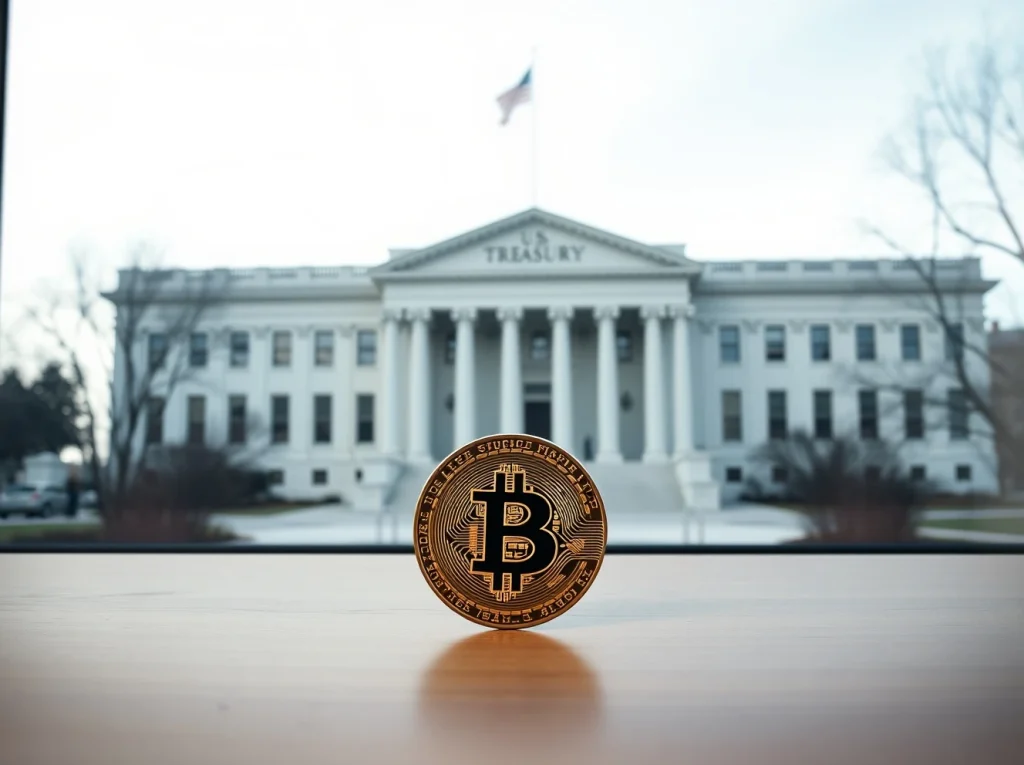
The U.S. Treasury Department has completed a $4 billion debt buyback operation, a move that is drawing significant attention from cryptocurrency traders who interpret the action as a bullish catalyst for Bitcoin. The buyback, part of the Treasury’s regular debt management program, involves repurchasing older, less liquid bonds to improve market functioning and reduce borrowing costs.
What the $4 Billion Buyback Means for Markets
The Treasury’s buyback operation is designed to enhance liquidity in the government bond market by retiring older securities and replacing them with new, more actively traded issues. This process typically puts downward pressure on longer-term yields, as the Treasury reduces the supply of outstanding bonds. Lower yields make traditional fixed-income investments less attractive, prompting some investors to rotate into riskier assets, including cryptocurrencies.
Also read: Telegram-Linked TAC Token Crashes 90% in 15 Minutes: What Happened?
For Bitcoin traders, the correlation is straightforward: when bond yields fall, the opportunity cost of holding non-yielding assets like Bitcoin decreases. Additionally, increased liquidity in the financial system can spill over into digital asset markets, boosting trading volumes and price momentum. The $4 billion figure, while modest relative to the overall $27 trillion Treasury market, signals the government’s commitment to maintaining orderly market conditions—a factor that historically supports risk-on sentiment.
Bitcoin’s Reaction and Market Context
Following the announcement of the buyback, Bitcoin’s price saw a modest uptick, trading near $67,000 at press time. While the move was not dramatic, analysts point to the broader implications. The buyback comes at a time when the Federal Reserve is signaling a potential pause in interest rate hikes, further fueling expectations of looser financial conditions.
Also read: XRP Scarcity Index on Binance Hits Highest Level Since Mid-2024, So Where Did the Coins Go?
“The Treasury buyback is a liquidity event, and liquidity is the lifeblood of crypto markets,” said a market strategist at a digital asset firm. “When the government steps in to support bond market functioning, it reduces systemic risk and encourages capital flows into alternative assets.”
However, the bullish interpretation is not universal. Some traders caution that the buyback’s impact on Bitcoin is indirect and may be overstated. The Treasury’s primary goal is to improve bond market liquidity, not to stimulate risk assets. Moreover, the $4 billion amount is relatively small compared to the daily trading volume in Bitcoin markets, which often exceeds $20 billion.
Why This Matters for Crypto Investors
For crypto investors, the Treasury’s buyback is part of a larger narrative about global liquidity conditions. Central banks and treasuries around the world are dealing with a delicate balance between controlling inflation and supporting economic growth. Any move that eases financial conditions—whether through bond buybacks, rate cuts, or quantitative easing—tends to benefit Bitcoin, which has historically performed well in low-interest-rate environments.
The buyback also underscores the growing interconnectedness between traditional finance and digital assets. As institutional participation in crypto increases, events in bond and money markets have a more pronounced effect on Bitcoin’s price action. This trend is likely to continue as more investors treat Bitcoin as a macro asset rather than a niche speculative instrument.
Conclusion
The U.S. Treasury’s $4 billion debt buyback is a routine operation with potentially non-routine implications for Bitcoin. While the direct impact may be limited, the broader signal of improved liquidity and lower yields aligns with the conditions that have historically supported bullish crypto markets. Traders should monitor upcoming Treasury announcements and Fed policy decisions for further clues about the direction of risk assets.
FAQs
Q1: How does a Treasury buyback affect Bitcoin prices?
A: A Treasury buyback can lower bond yields, making fixed-income investments less attractive. This may encourage investors to seek higher returns in riskier assets like Bitcoin, potentially boosting demand and prices.
Q2: Is the $4 billion buyback a large operation?
A: Relative to the $27 trillion Treasury market, $4 billion is modest. However, it signals the government’s commitment to market stability, which can have a positive psychological effect on risk assets.
Q3: Should Bitcoin traders treat this as a definitive bullish signal?
A: Not necessarily. The buyback’s impact is indirect and depends on broader macroeconomic conditions. Traders should consider it as one of many factors influencing market sentiment, not a standalone catalyst.