U.S. Government Moves Seized ETH From Drug Trafficker Wallet – What It Signals
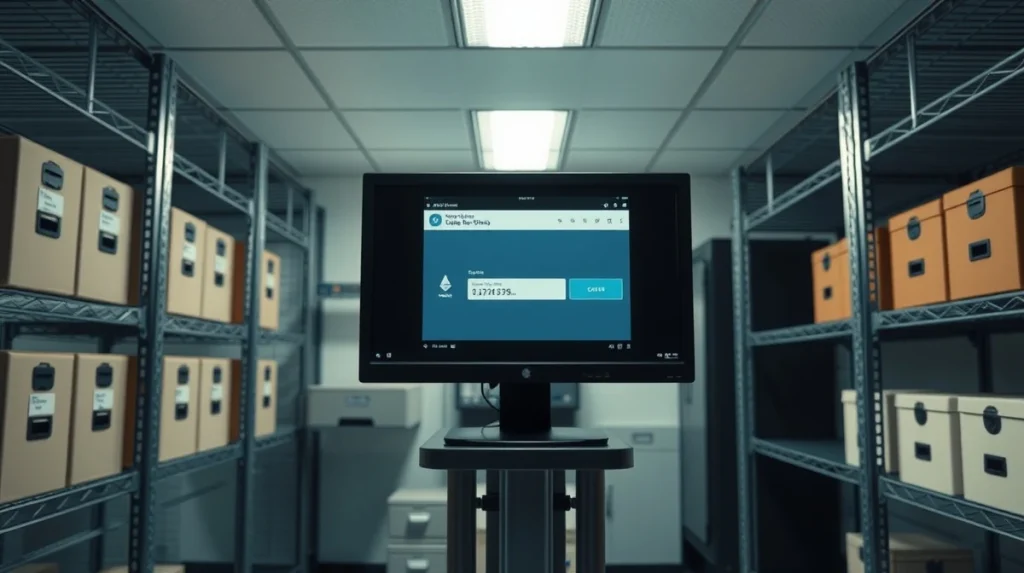
The United States government has initiated a transfer of Ethereum from a wallet linked to seized criminal assets, drawing attention from blockchain monitoring platforms and market observers. The move, flagged by Arkham Intelligence, involved a small test transaction of $7 worth of ETH from a wallet previously used to store funds confiscated from convicted drug trafficker Banmeet Singh.
Details of the Transaction
On-chain data shows that the U.S. Marshals Service, which oversees the management of seized digital assets, sent a minimal amount of ETH to a new address. While the transaction itself is insignificant in value, the action signals that the government is actively managing or preparing to liquidate a portion of its seized cryptocurrency holdings. The wallet in question originally held funds tied to Singh, who was sentenced in 2023 for drug trafficking and money laundering.
Also read: Lumi Finance Loses $270K in Arbitrum Exploit; Blockaid Flags Sodium Smart Account Flaw
Why This Matters to Investors
Government sales of seized cryptocurrency have historically caused short-term price volatility, particularly when large amounts are moved to exchanges. While this particular transfer is small, it raises questions about whether larger movements are forthcoming. Investors should monitor wallet activity rather than react to isolated test transactions. The U.S. government has sold seized Bitcoin and Ethereum in the past through public auctions, and similar processes could apply here.
Market Context and Historical Precedent
Previous government seizures, such as those from the Silk Road and Mt. Gox-related assets, have led to market uncertainty. However, the actual market impact has often been less dramatic than initial reactions suggest. In this case, the amount involved is negligible relative to Ethereum’s daily trading volume, which exceeds $10 billion. The primary concern for traders is the potential signaling effect rather than the immediate liquidity impact.
Also read: CLARITY Act Update: Did JPMorgan Actually Back the Crypto Market Structure Bill?
Conclusion
The U.S. government’s transfer of seized ETH from a drug trafficker’s wallet is a routine administrative action that does not warrant panic. While it highlights the ongoing management of confiscated digital assets, the small transaction size suggests no imminent large-scale sale. Investors should remain informed but avoid overreacting to isolated on-chain movements.
FAQs
Q1: Why did the U.S. government transfer only $7 worth of ETH?
This appears to be a test transaction, commonly used to verify wallet addresses and ensure secure transfers before moving larger amounts.
Q2: Will this affect the price of Ethereum?
Unlikely in the short term. The amount is too small to impact market prices, though it may create temporary uncertainty if larger transfers follow.
Q3: How does the government sell seized cryptocurrency?
The U.S. Marshals Service typically auctions seized digital assets through public sales or uses third-party platforms to convert them to fiat currency.