Can XTZ Price Escape Its Multi-Year Downtrend? A Tezos Market Analysis

Tezos (XTZ), the blockchain network known for its on-chain governance and formal verification, has faced a prolonged price decline since its peak in 2021. While the broader cryptocurrency market has seen significant recoveries in 2024 and early 2025, XTZ has lagged, raising questions about whether it can finally escape its multi-year downtrend. This analysis examines the key factors at play, including network developments, market sentiment, and critical price levels.
Understanding the Multi-Year Downtrend
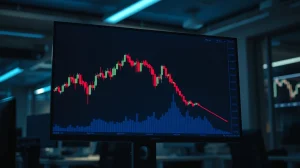
Since reaching an all-time high of over $9 in October 2021, XTZ has experienced a sustained decline, with intermittent rallies failing to establish a new uptrend. The token has consistently made lower highs on the weekly chart, a classic hallmark of a bear market structure. Several factors have contributed to this, including broader macroeconomic headwinds, increased competition from other smart contract platforms like Ethereum, Solana, and newer layer-1 blockchains, and a perceived lack of major decentralized applications (dApps) gaining mainstream traction on the Tezos network.
Also read: NIGHT Price Stays Under Pressure Despite Midnight’s Token Terminal Partnership
Key Support and Resistance Levels to Watch
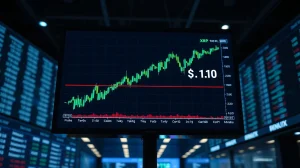
From a technical analysis perspective, XTZ is currently testing a critical support zone around the $0.60 to $0.70 range, which has historically acted as a strong floor. A decisive breakdown below this level could signal further downside toward $0.40 or lower. Conversely, for the downtrend to be considered broken, XTZ needs to reclaim the $1.20 resistance level and, more importantly, sustain a move above the $1.50 area, which represents a previous support-turned-resistance zone. A weekly close above $2.00 would provide the strongest confirmation of a trend reversal.
Network Developments and Fundamentals
Despite the price struggles, the Tezos network has continued to evolve. The 16th protocol upgrade, ‘Nairobi,’ introduced faster block times and reduced gas costs, improving the user experience. Additionally, Tezos has found a niche in the art and collectibles space, with organizations like the Art Institute of Chicago and major brands exploring its use for provenance and digital certificates. However, these developments have not yet translated into significant price appreciation, partly due to the broader market’s focus on more liquid and heavily marketed ecosystems.
Also read: Telegram-Linked TAC Token Crashes 90% in 15 Minutes: What Happened?
Market Sentiment and External Factors
The broader cryptocurrency market remains influenced by regulatory developments, macroeconomic data, and institutional adoption trends. Tezos, while having a strong technological foundation, often lacks the same level of speculative interest as assets like Bitcoin or Ethereum. The token’s relatively lower trading volume and liquidity can lead to sharper moves on both the upside and downside, but also makes it more susceptible to prolonged periods of low volatility. Investor sentiment around XTZ remains cautious, with many waiting for a clear catalyst, such as a major partnership or a significant uptick in network activity, before committing capital.
Conclusion
Whether XTZ can escape its multi-year downtrend depends on a combination of technical confirmation and fundamental catalysts. The current support zone is important; a bounce from here could set the stage for a recovery, but a breakdown would likely extend the bearish phase. Investors should monitor on-chain metrics, network upgrade announcements, and broader market conditions closely. While the Tezos network remains technologically sound, the price action suggests that market participants require more than incremental improvements to reignite bullish momentum. Patience and a focus on key price levels will be essential for those tracking XTZ.
FAQs
Q1: What is the main reason for Tezos’s multi-year downtrend?
A1: The downtrend is attributed to a combination of factors, including broader bear market conditions, increased competition from other smart contract platforms, and a lack of major decentralized applications gaining widespread adoption on the Tezos network, despite its technological upgrades.
Q2: What are the key price levels to watch for XTZ?
A2: The critical support zone is between $0.60 and $0.70. For a bullish reversal, XTZ needs to reclaim $1.20 and then sustain a move above $1.50. A weekly close above $2.00 would be the strongest confirmation of a trend change.
Q3: Are there any positive developments for Tezos that could help the price?
A3: Yes, the network has continued to upgrade, with protocol ‘Nairobi’ improving speed and cost. Tezos has also found adoption in the art and collectibles sector for provenance tracking. However, these have not yet been sufficient to overcome broader market headwinds and shift investor sentiment.