Tether’s Critical Duality: How USDT Became Both Lifeline and Loophole in Venezuela and Iran’s Economic Crises
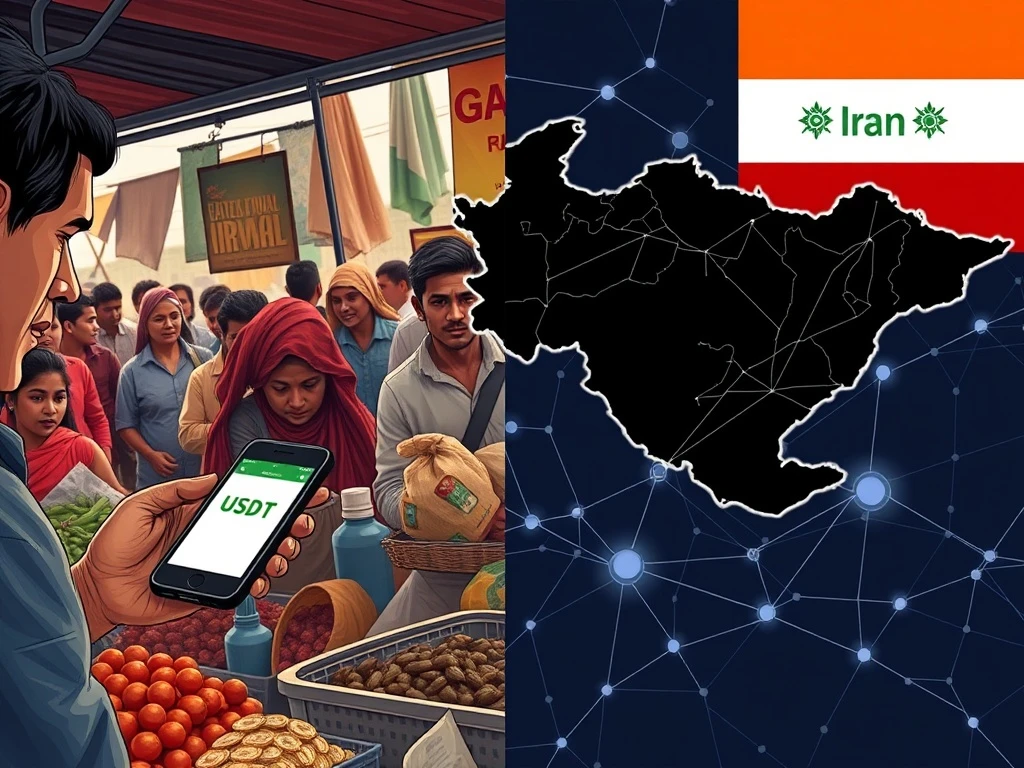
In the turbulent economic landscapes of Venezuela and Iran during early 2026, Tether’s USDT stablecoin has emerged as a paradoxical financial instrument, simultaneously providing economic refuge for ordinary citizens while enabling sanctioned entities to circumvent international restrictions. This dual functionality highlights the complex reality of dollar-pegged digital assets in geopolitically strained environments where traditional financial systems face severe pressure from hyperinflation, political instability, and comprehensive international sanctions. The unfolding situations in both nations demonstrate how technological financial innovations can serve dramatically different purposes depending on user intent and regulatory environment.
Tether’s Expanding Role in Sanctioned Economies
Recent economic turmoil in Venezuela and Iran has accelerated cryptocurrency adoption, particularly for US dollar-backed stablecoins like Tether. Both nations entered 2026 facing overlapping crises including currency devaluation, political uncertainty, civil unrest, and extensive international sanctions. Consequently, digital assets have become integrated into daily economic activities, serving functions that traditional banking systems cannot reliably provide. The Venezuelan bolivar has lost substantial value over the past decade, while the Iranian rial reached record lows against the US dollar in recent weeks. These conditions create powerful incentives for citizens to seek alternative stores of value and mediums of exchange outside government-controlled financial systems.
Also read: Binance ETH Supply Plummets to Critical Low as Stablecoin Reserves Explode
Blockchain analytics firms document significant increases in peer-to-peer cryptocurrency trading volumes in both countries throughout 2025. Meanwhile, government responses have varied from cautious regulation to outright restriction attempts. The fundamental appeal of stablecoins in these environments stems from their relative stability compared to volatile national currencies and their accessibility through mobile technology. However, this same accessibility creates opportunities for entities facing international sanctions to move value across borders with reduced detection risk compared to traditional banking channels.
Economic Context and Citizen Adoption Drivers
Venezuela’s economic collapse represents one of modern history’s most severe hyperinflation episodes, with the bolivar losing approximately 99.9% of its value against the US dollar since 2013. Similarly, Iran has experienced persistent high inflation averaging over 40% annually since 2020, exacerbated by comprehensive US sanctions targeting oil exports and financial transactions. In both cases, citizens face practical challenges obtaining and preserving wealth through conventional means. Bank accounts often provide limited access to foreign currency, while physical US dollars face scarcity and premium pricing on black markets.
Also read: Coinbase x402 Protocol Surrendered to Linux Foundation as Tech Giants Unite for AI Payment Standard
Stablecoins address these challenges through several mechanisms:
- Inflation hedging: USDT maintains 1:1 parity with the US dollar, preserving purchasing power
- Cross-border transactions: Enables remittances from diaspora communities with reduced fees
- Financial inclusion: Accessible via smartphones without traditional banking requirements
- Censorship resistance: Transactions cannot be blocked by domestic financial authorities
These characteristics explain why Tron-based Tether has reportedly become Venezuela and Iran’s most utilized cryptocurrency. The Tron network offers lower transaction fees compared to Ethereum, making microtransactions economically viable for everyday purchases.
Iran’s Complex Stablecoin Ecosystem
Iran presents a particularly nuanced case study where stablecoins serve both civilian populations and government-aligned entities. Widespread protests erupted across Iran in early 2026 following further deterioration of economic conditions and the rial’s collapse against major currencies. Authorities responded with internet restrictions and heightened surveillance, creating additional challenges for citizens seeking financial alternatives. Despite these obstacles, cryptocurrency adoption continues growing as Iranians utilize digital assets to preserve savings and conduct essential transactions.
The Iranian government has implemented contradictory policies regarding cryptocurrency. In September 2025, authorities established annual limits on stablecoin holdings at $10,000 maximum with $5,000 purchase restrictions per person. However, blockchain analysis reveals substantial cryptocurrency activity involving government-connected entities. A December 2025 TRM Labs report identified that Iran’s Islamic Revolutionary Guard Corps (IRGC) moved over $1 billion in stablecoins since 2023 through two UK-registered front companies named Zedcex and Zedxion.
| Policy Area | Regulation | Implementation Date |
|---|---|---|
| Individual Holdings Limit | $10,000 maximum | September 2025 |
| Purchase Restrictions | $5,000 per person annually | September 2025 |
| Mining Regulations | Licensed operations only | January 2025 |
| Exchange Requirements | Central Bank registration | Ongoing since 2022 |
TRM Labs’ analysis indicates that despite presenting themselves as separate entities, Zedcex and Zedxion function as integrated financial infrastructure for the IRGC. “In practice, they operate as a single enterprise embedded within a broader Iranian sanctions evasion ecosystem,” the report states. The network allegedly involves Babak Zanjani, a previously sanctioned Iranian financier known for laundering billions in oil revenue for regime entities. This sophisticated operation demonstrates how sanctioned organizations tap into cryptocurrency’s borderless nature to maintain financial operations despite comprehensive international restrictions.
Civilian Usage Patterns and Restrictions
Ordinary Iranians face different challenges when utilizing stablecoins. The country’s largest cryptocurrency exchange suffered a significant hack in 2025, reducing trust in centralized platforms. Additionally, Tether’s compliance team has blacklisted numerous Iranian addresses, freezing funds associated with sanctioned entities. These blacklisting actions sometimes affect civilian users through collateral freezing or mistaken identification. Despite these obstacles, Iranians continue adopting USDT for essential purposes including:
- Preserving savings against rial depreciation
- Purchasing imported medicines and medical equipment
- Sending and receiving international remittances
- Acquiring software and digital services unavailable domestically
The internet restrictions implemented during protests further complicated cryptocurrency usage, though virtual private networks and decentralized exchange protocols provided workaround solutions for technically proficient users.
Venezuela’s Deep USDT Integration
Venezuela presents perhaps the most extensive real-world integration of stablecoins into daily economic life. The country’s economic collapse has progressed further than Iran’s, with hyperinflation destroying the bolivar’s utility as either store of value or medium of exchange. Consequently, USDT has achieved remarkable penetration across Venezuelan society. As 71-year-old crypto entrepreneur Mauricio Di Bartolomeo explained to the Wall Street Journal, “It’s how you pay your landscaper and how you pay for your haircut. You can use tether basically for anything.”
This widespread adoption occurs despite Venezuela lacking regulated cryptocurrency exchanges. Instead, users rely on peer-to-peer platforms, informal networks, and cryptocurrency kiosks. The severe distrust in traditional banks drives this behavioral shift, with many Venezuelans opting to establish cryptocurrency wallets instead of bank accounts. This preference stems from multiple factors including bank withdrawal limits, account freezes, and the bolivar’s rapid depreciation within banking systems.
Venezuela’s state-run oil company Petroleos de Venezuela (PDVSA) has reportedly adopted USDT for international transactions, accepting approximately 80% of oil revenue in the stablecoin according to December 2025 reports. This corporate adoption began after 2020 sanctions restricted PDVSA’s access to traditional dollar payment channels. The company utilizes USDT for both incoming payments and outgoing settlements with suppliers and partners. This institutional usage demonstrates how sanctioned entities tap into stablecoins’ technical characteristics to maintain commercial operations despite financial restrictions.
Tether’s Compliance Response
Tether Limited has implemented increasingly sophisticated compliance measures to address sanctions evasion concerns. The company maintains wallet blacklists that freeze funds associated with sanctioned addresses, cooperating with US authorities to identify problematic transactions. According to AMLBot data compiled in December 2025, Tether blacklisted approximately $3.3 billion between 2023 and late 2025, with $1.75 billion representing frozen Tron-based USDT. The company reportedly added $182 million in frozen Tron-based USDT across five wallets during early December 2025, though specific connections to Venezuela or Iran remain unconfirmed.
These compliance efforts reflect Tether’s balancing act between maintaining legitimate utility and preventing illicit usage. The company faces pressure from regulators to prevent sanctions evasion while preserving functionality for legitimate users in economically distressed regions. This tension highlights the fundamental challenge of permissionless financial technologies operating within permissioned regulatory frameworks.
The Technical Infrastructure Enabling Dual Usage
Stablecoins’ dual functionality stems from their technical architecture and the blockchain networks supporting them. Tether operates across multiple blockchains including Tron, Ethereum, and Solana, each offering different characteristics affecting usability in restricted environments. The Tron network has gained particular popularity in Venezuela and Iran due to its lower transaction fees compared to Ethereum, making small everyday transactions economically feasible.
Several technical features enable both civilian and sanctioned usage:
- Pseudonymous addresses: Wallet addresses don’t inherently reveal user identity
- Cross-chain interoperability: Assets can move between different blockchains
- Decentralized exchanges: Enable trading without KYC requirements
- Privacy tools: Mixers and privacy coins can obscure transaction trails
However, blockchain analytics firms like TRM Labs, Chainalysis, and Elliptic have developed sophisticated tools to trace transactions across networks. These firms collaborate with regulators and cryptocurrency companies to identify patterns associated with sanctioned entities. Their analytical capabilities have improved significantly since 2023, though sanctioned organizations continue developing countermeasures including chain-hopping, address rotation, and privacy protocol integration.
Regulatory Evolution and Future Implications
The situations in Venezuela and Iran are influencing global regulatory approaches to stablecoins. International standard-setting bodies including the Financial Action Task Force (FATF) have updated guidance regarding virtual asset service providers’ sanctions compliance obligations. These developments will likely shape how stablecoin issuers operate in coming years, potentially affecting accessibility for legitimate users in economically distressed regions.
Several regulatory trends emerged during 2025 that will influence 2026 developments:
- Increased focus on cross-jurisdictional coordination for sanctions enforcement
- Growing requirements for blockchain analytics capabilities at cryptocurrency businesses
- Enhanced scrutiny of stablecoin reserves and redemption mechanisms
- Development of travel rule solutions for cross-border cryptocurrency transactions
These regulatory developments will affect how stablecoins function in sanctioned economies, potentially creating more friction for all users while attempting to restrict illicit activities.
Conclusion
Tether’s dual role in Venezuela and Iran encapsulates the fundamental tension within permissionless financial technologies operating in geopolitically constrained environments. USDT and similar stablecoins provide genuine economic utility for citizens facing hyperinflation and financial exclusion while simultaneously offering mechanisms for sanctioned entities to circumvent restrictions. This duality reflects not a flaw in the technology itself but rather the complex reality of financial tools that can serve dramatically different purposes based on user intent. The evolving situations in Venezuela and Iran will continue testing how regulators, cryptocurrency companies, and users deal with these challenges throughout 2026 and beyond. As stablecoin adoption grows in economically distressed regions, the international community must develop nuanced approaches that prevent sanctions evasion while preserving financial access for vulnerable populations.
FAQs
Q1: Why are Venezuelans and Iranians using Tether instead of traditional banking?
Citizens in both countries face severe currency devaluation, with national currencies losing value rapidly against the US dollar. Traditional banking systems often restrict access to foreign currency, while stablecoins like USDT maintain 1:1 parity with the dollar and are accessible via smartphones without banking requirements.
Q2: How are sanctioned entities using stablecoins to evade restrictions?
Sanctioned organizations utilize stablecoins’ borderless nature to move value internationally without traditional banking channels. They employ techniques including front companies, cross-chain transactions, and decentralized exchanges to obscure transaction trails while maintaining access to dollar-pegged assets.
Q3: What measures has Tether implemented to prevent sanctions evasion?
Tether maintains wallet blacklists that freeze funds associated with sanctioned addresses, cooperating with US authorities to identify problematic transactions. The company has frozen approximately $3.3 billion between 2023-2025, with ongoing additions to blacklists as new sanctioned addresses are identified.
Q4: How do governments in Venezuela and Iran regulate cryptocurrency usage?
Iran has implemented annual limits on stablecoin holdings ($10,000 maximum) and purchases ($5,000 per person). Venezuela lacks formal cryptocurrency regulations but experiences de facto adoption through peer-to-peer networks. Both governments exhibit contradictory approaches, sometimes restricting while simultaneously utilizing digital assets.
Q5: What technical features make stablecoins suitable for both civilian and sanctioned usage?
Pseudonymous addresses, cross-chain interoperability, decentralized exchanges, and low transaction fees enable diverse usage patterns. The Tron network’s affordability particularly facilitates small transactions for everyday purchases while also supporting larger transfers for commercial or institutional purposes.

This article was produced with AI assistance and reviewed by our editorial team for accuracy and quality.