Solana RWA Holders Surpass 200,000 as Tokenized Asset Adoption Accelerates
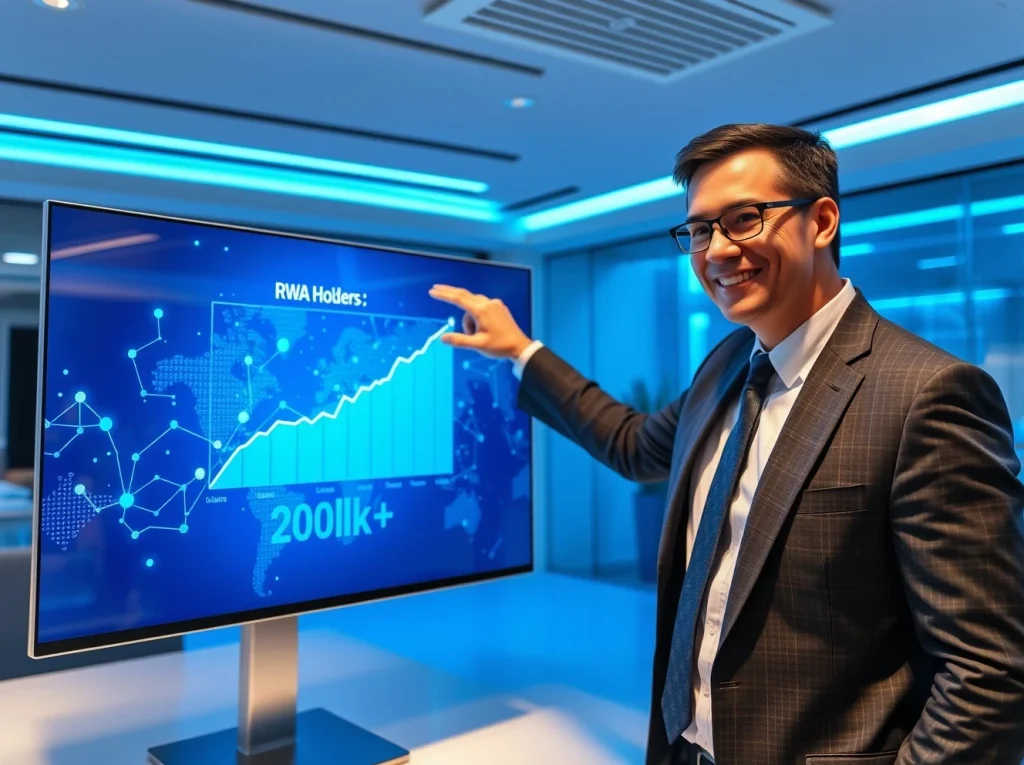
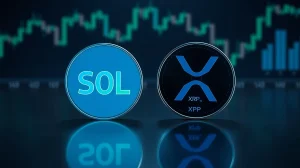
The number of unique holders of real-world assets (RWAs) on the Solana blockchain has crossed the 200,000 mark, signaling a notable acceleration in the tokenization of traditional financial instruments and physical assets. The milestone, recorded in on-chain data this week, reflects growing institutional and retail interest in bringing assets such as Treasury bills, private credit, and commodities onto Solana’s high-throughput network.
On-Chain Data Confirms Accelerating Growth
According to data from RWA.xyz and Solscan, the count of distinct wallet addresses holding tokenized real-world assets on Solana has more than doubled since the start of 2025. The growth trajectory has been particularly steep over the past two quarters, driven by a combination of protocol launches, increased liquidity, and clearer regulatory frameworks in several jurisdictions.
Also read: NIGHT Price Stays Under Pressure Despite Midnight’s Token Terminal Partnership
Key protocols contributing to this surge include Ondo Finance, which tokenizes short-term U.S. Treasury bonds; Maple Finance, which facilitates on-chain private credit; and newer entrants like Parcl, which offers tokenized exposure to real estate markets. Together, these platforms have expanded the total value locked (TVL) in Solana RWA protocols to over $1.2 billion, a figure that has tripled year-over-year.
Why Solana Is Gaining Ground in Tokenization
Solana’s appeal for RWA tokenization stems from its low transaction costs and high throughput. Unlike Ethereum, where gas fees can become prohibitive for frequent trading or small-value transfers, Solana’s architecture allows for near-instant settlements at fractions of a cent. This makes it particularly attractive for assets that require frequent rebalancing or fractional ownership, such as money market funds or real estate shares.
Also read: Telegram-Linked TAC Token Crashes 90% in 15 Minutes: What Happened?
Industry analysts also point to Solana’s growing ecosystem of decentralized finance (DeFi) applications as a catalyst. RWAs tokenized on Solana can be used as collateral in lending protocols, traded on decentralized exchanges, or integrated into yield-generating strategies. This composability creates a self-reinforcing cycle: more assets attract more users, which in turn attracts more issuers.
Institutional and Regulatory Tailwinds
The milestone also coincides with broader institutional adoption of blockchain-based asset tokenization. Major financial institutions, including BlackRock and Franklin Templeton, have launched tokenized funds on public blockchains, though primarily on Ethereum. However, Solana has emerged as a strong alternative, particularly for projects seeking lower costs and higher speed.
Regulatory developments have also played a role. The European Union’s Markets in Crypto-Assets (MiCA) framework, which came into full effect in early 2025, provided legal clarity for tokenized assets, encouraging issuers to expand beyond pilot programs. In the United States, the Securities and Exchange Commission’s (SEC) evolving stance on tokenized securities has opened the door for compliant offerings on Solana.
What This Means for the Broader Crypto Market
The crossing of the 200,000 holder threshold is more than a vanity metric. It represents a shift in how blockchain networks are being used: from speculative trading of native tokens toward the representation of real economic value. RWAs are increasingly seen as a bridge between traditional finance and decentralized systems, offering investors exposure to stable, yield-bearing assets without leaving the crypto ecosystem.
For Solana, the growth in RWA holders strengthens its narrative as a multi-purpose blockchain capable of supporting both high-frequency DeFi and institutional-grade asset management. It also diversifies the network’s user base beyond native token traders and meme coin enthusiasts, potentially reducing volatility and increasing long-term network stability.
Conclusion
The milestone of 200,000 RWA holders on Solana underscores a broader trend: tokenization is moving from experimental to operational. As more assets migrate on-chain and regulatory clarity improves, Solana is positioning itself as a leading infrastructure for this transformation. For investors and observers, the metric serves as a tangible signal that real-world utility on blockchain networks is accelerating, not just in theory, but in measurable user adoption.
FAQs
Q1: What exactly are real-world assets (RWAs) on Solana?
RWAs are tokenized representations of traditional financial or physical assets, such as government bonds, corporate credit, real estate, or commodities, issued on the Solana blockchain. Each token represents ownership or a claim on the underlying asset.
Q2: Why is the number of RWA holders important?
It measures actual user adoption, not just capital inflows. A growing holder count indicates that a broader base of individuals and institutions is engaging with tokenized assets, which supports liquidity and long-term network health.
Q3: Is Solana the only blockchain seeing RWA growth?
No. Ethereum remains the largest ecosystem for tokenized assets by total value. However, Solana is growing faster in terms of holder count and transaction volume due to its lower fees and faster settlement times, making it a competitive alternative for certain use cases.