OKX Stablecoin Card Revolutionizes European Crypto Payments with Mastercard Integration
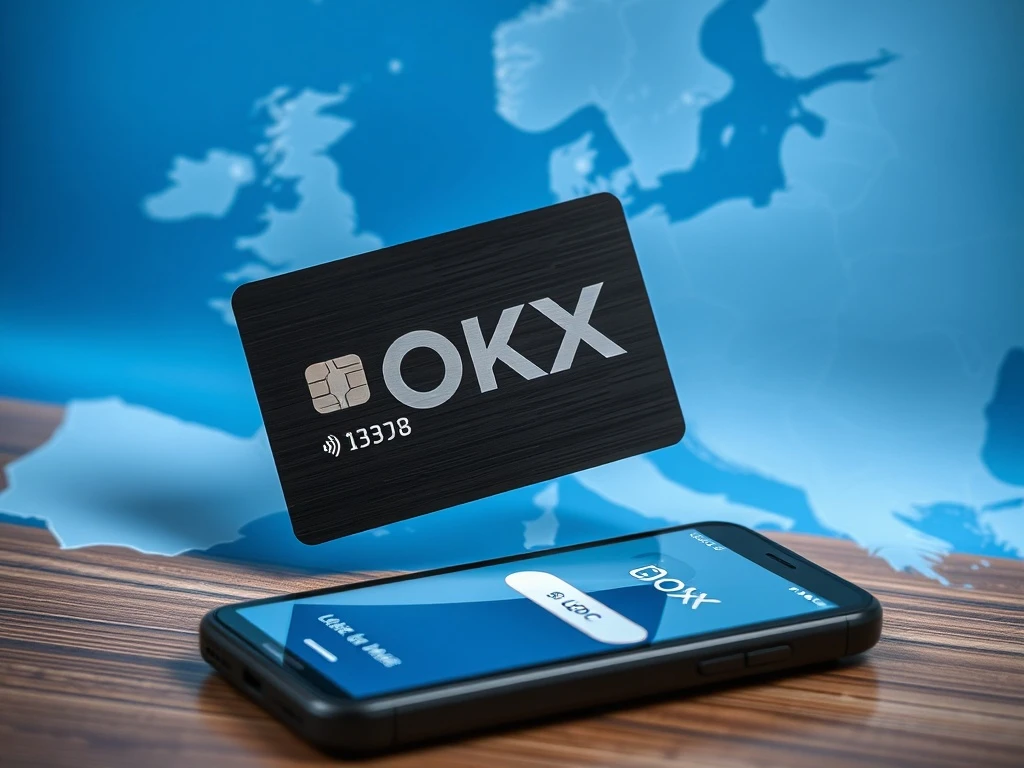
In a significant move for cryptocurrency adoption, OKX has officially launched a stablecoin payment card across Europe, enabling millions of users to spend digital assets seamlessly at Mastercard merchants worldwide. This strategic launch, confirmed in early 2025, represents a major bridge between traditional finance and the burgeoning digital asset ecosystem. Consequently, European OKX users can now convert their stablecoin holdings into everyday purchases, fundamentally altering how people interact with cryptocurrency. This development arrives during a period of rapid regulatory evolution and growing mainstream acceptance of digital currencies across the European Economic Area.
OKX Stablecoin Card: Features and Immediate Availability
The newly launched OKX Card operates directly on the global Mastercard payment network. This integration provides immediate utility at tens of millions of physical and online merchant locations. Currently, the card supports payments using two major stablecoins: USDC (USD Coin) and USDG. The card is available exclusively to OKX users residing in Europe who have completed the platform’s mandatory Know Your Customer (KYC) verification process. This requirement aligns with both financial regulations and Mastercard’s own compliance standards. Furthermore, the card functions like any other debit card, automatically converting the selected stablecoin into the local fiat currency at the point of sale.
Also read: Bitcoin Strategy Divide: GameStop's 4,710 BTC Hold Contrasts With Nation's Massive Sell-Off
Industry analysts view this launch as a direct response to increasing user demand for practical cryptocurrency utility. “The true test of any digital asset is its spendability,” notes a report from Crypto News Insights. “Products like the OKX Card move crypto from speculative investment to a functional financial tool.” The launch follows a broader trend of exchanges seeking to provide integrated financial services, moving beyond simple trading platforms. For instance, this development places OKX in direct competition with other crypto-native card providers while leveraging the unparalleled acceptance of the Mastercard brand.
Technical Mechanics and User Experience
From a technical perspective, the card’s operation involves a near-instant settlement process. When a user makes a purchase, the OKX system liquidates the required amount of stablecoin and transfers fiat currency to the merchant via Mastercard’s rails. Users manage the card entirely through the OKX mobile application, where they can select their preferred stablecoin for funding, view transaction history, and toggle security settings. This seamless backend process is designed to be invisible to the end-user, who experiences a transaction identical to using a traditional bank card.
Also read: Bitcoin Volatility Dips Below Major Stocks as European Nation Sells Billions in Crypto Reserves
The Evolving Landscape of Crypto Payment Solutions
The introduction of the OKX Card does not occur in a vacuum. Instead, it enters a market increasingly populated by similar offerings. However, OKX’s specific focus on stablecoins, rather than volatile cryptocurrencies, is a strategic differentiation. The following table compares key aspects of the current crypto card landscape in Europe:
| Provider | Asset Support | Network | Primary Region |
|---|---|---|---|
| OKX Card | USDC, USDG | Mastercard | Europe |
| Competitor A | Multiple Cryptocurrencies | Visa | Global |
| Competitor B | Stablecoins & Fiat | Mastercard | UK & EEA |
This stablecoin-centric approach mitigates the user’s exposure to price volatility at the moment of sale, a common criticism of earlier crypto cards. Moreover, the choice of USDC, a regulated and fully-reserved digital dollar, provides a layer of institutional trust. The inclusion of USDG, another dollar-pegged stablecoin, offers users optionality within the OKX ecosystem. Regulatory clarity under Europe’s Markets in Crypto-Assets (MiCA) framework, fully implemented in 2025, has created a more stable environment for such product launches. Providers now operate with defined rules regarding stablecoin issuance and consumer protection.
Regulatory Compliance and Strategic Implications
The requirement for full KYC verification is a non-negotiable cornerstone of the OKX Card’s launch. This aligns perfectly with the European Union’s stringent Anti-Money Laundering (AML) and Counter-Financing of Terrorism (CFT) regulations. By partnering with Mastercard, OKX leverages the payment giant’s existing compliance infrastructure and merchant relationships. This partnership is arguably as significant as the card’s technical features, providing a trusted pathway to mainstream commerce. Fintech experts suggest that such collaborations are essential for breaking down the final barriers to crypto adoption.
Furthermore, the launch signals OKX’s deepening commitment to the European market. Europe represents a highly digitized population with progressive regulators, making it an ideal testing ground for innovative financial products. The card also serves as a potential customer acquisition tool, attracting users who prioritize real-world spending utility over speculative trading. From a macroeconomic perspective, tools that enhance the liquidity and velocity of stablecoins could have long-term implications for how digital dollars circulate within the global economy, potentially increasing their utility as a medium of exchange rather than just a store of value.
Potential Impact on Consumers and Merchants
For consumers, the primary impact is convenience and optionality. Travelers, for example, could fund a card with USDC and spend locally without traditional foreign exchange fees, depending on OKX’s fee structure. For online shoppers, it provides a payment method directly linked to their crypto portfolio. Merchants, on the other hand, experience no operational change; they receive payments in their local currency as they always have. This merchant-agnostic design is crucial for adoption, as it requires no new hardware or software integration on the seller’s side. The entire complexity is managed by OKX and Mastercard behind the scenes.
Conclusion
The launch of the OKX stablecoin card in Europe marks a pivotal step in the functional integration of cryptocurrency into daily financial life. By leveraging the Mastercard network and focusing on regulated stablecoins, OKX has created a product that is both innovative and compliant. This move provides European users with a powerful new tool to utilize their digital assets, supports the broader narrative of crypto utility, and reflects the maturation of the industry under evolving regulatory frameworks. As the market develops, the success of the OKX Card will likely hinge on its fee transparency, user experience, and the expansion of supported assets and regions.
FAQs
Q1: Where is the OKX Card available?
The OKX Card is currently available to verified OKX users residing within the European Economic Area (EEA).
Q2: Which stablecoins can I use with the OKX Card?
At launch, the card supports payments using USDC (USD Coin) and USDG. The company may add more stablecoins in future updates.
Q3: Do merchants need to accept cryptocurrency to receive my payment?
No. The OKX Card automatically converts your stablecoin to fiat currency at the point of sale. Merchants receive payment in their local currency through the standard Mastercard network, with no special setup required.
Q4: Are there any fees associated with using the OKX Card?
Specific fee details (such as transaction, conversion, or monthly fees) are set by OKX and should be reviewed in the cardholder terms within the OKX app. Typically, such cards may have fees for certain actions like ATM withdrawals.
Q5: How does this differ from using a traditional debit card linked to my bank?
The primary difference is the funding source. Instead of drawing from a bank account holding euros or pounds, the OKX Card spends from your OKX wallet balance of USDC or USDG. The spending experience at the checkout is designed to be identical.

This article was produced with AI assistance and reviewed by our editorial team for accuracy and quality.