Goldman Sachs CEO Bitcoin Revelation: David Solomon’s Personal Investment Signals Dramatic Institutional Shift
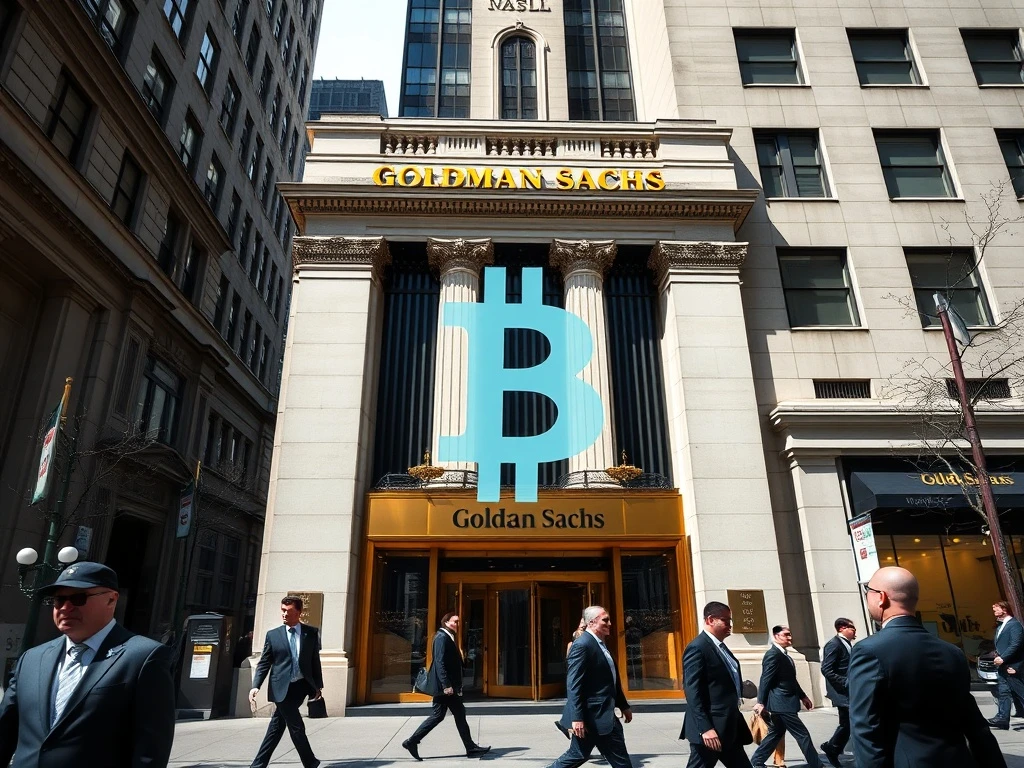
NEW YORK, February 18, 2026 – In a watershed moment for cryptocurrency acceptance, Goldman Sachs CEO David Solomon publicly confirmed his personal Bitcoin ownership today, marking a dramatic reversal from his previous skepticism about digital assets. Speaking at the World Liberty Forum, Solomon revealed this personal investment while disclosing that Goldman Sachs currently manages $2.36 billion in cryptocurrency exchange-traded funds for institutional clients. This dual revelation represents a significant milestone in Bitcoin’s journey from speculative digital token to mainstream financial asset.
Goldman Sachs CEO Bitcoin Position Reveals Institutional Evolution
David Solomon’s admission about his personal Bitcoin holdings carries substantial symbolic weight within financial circles. Previously, the Goldman Sachs chief expressed measured skepticism about cryptocurrency’s long-term viability. However, his current position demonstrates a notable evolution in institutional thinking. Solomon emphasized that his personal investment represents “a very small amount” of his overall portfolio. Nevertheless, this disclosure from one of Wall Street’s most influential figures signals broader acceptance of digital assets among traditional finance leaders.
Also read: Bitcoin Death Cross Hints at Final Capitulation as Analysts Target $30K-$40K Macro Bottom
The timing of Solomon’s announcement coincides with increasing institutional adoption of cryptocurrency products. Major financial institutions have gradually increased their exposure to digital assets throughout 2025 and early 2026. Goldman Sachs itself began offering Bitcoin futures trading to clients in 2021. The bank subsequently expanded its cryptocurrency services to include custody solutions and over-the-counter trading. Solomon’s personal investment now adds a compelling human dimension to this institutional narrative.
Goldman Sachs $2.36 Billion Crypto ETF Holdings Analysis
Beyond Solomon’s personal revelation, the $2.36 billion in cryptocurrency ETF holdings managed by Goldman Sachs provides concrete evidence of institutional capital flowing into digital assets. These exchange-traded funds offer traditional investors regulated exposure to Bitcoin and other cryptocurrencies without requiring direct ownership. The substantial size of Goldman’s ETF portfolio indicates growing client demand for cryptocurrency investment vehicles within conventional financial frameworks.
Also read: Ethereum's Puzzling Plunge: Record Network Usage Fails to Stop 33% Q1 Price Crash
Several factors have driven institutional cryptocurrency adoption in recent years:
- Regulatory clarity: Improved regulatory frameworks in major financial markets
- Infrastructure development: Enhanced custody solutions and trading platforms
- Portfolio diversification: Increasing recognition of cryptocurrency as an alternative asset class
- Client demand: Growing interest from pension funds, endowments, and wealthy individuals
Goldman Sachs has strategically positioned itself within this evolving space. The bank’s cryptocurrency services now span multiple business segments, including asset management, trading, and investment banking. This comprehensive approach reflects Goldman’s recognition of digital assets as a permanent component of global financial markets.
Historical Context: From Skepticism to Acceptance
David Solomon’s journey from cryptocurrency skeptic to personal investor mirrors broader institutional evolution. In 2018, Goldman Sachs initially explored launching a Bitcoin trading desk but postponed these plans amid regulatory uncertainty. The bank maintained a cautious public stance while quietly developing cryptocurrency infrastructure and expertise. This measured approach allowed Goldman to enter the market strategically when conditions became favorable.
Other major financial institutions have followed similar trajectories. JPMorgan Chase CEO Jamie Dimon famously called Bitcoin “a fraud” in 2017 but later acknowledged blockchain technology’s potential. Morgan Stanley began offering Bitcoin funds to wealthy clients in 2021. BlackRock launched its iShares Bitcoin Trust in 2023, which quickly became one of the largest cryptocurrency investment vehicles globally. Solomon’s personal investment represents the latest chapter in this institutional acceptance narrative.
Cryptocurrency Market Impact and Future Implications
The dual revelations from Goldman Sachs – Solomon’s personal Bitcoin ownership and the bank’s substantial ETF holdings – carry significant implications for cryptocurrency markets. Institutional participation provides increased liquidity, reduced volatility, and enhanced legitimacy for digital assets. Furthermore, traditional finance expertise and risk management practices can help mature cryptocurrency markets.
Market analysts note several potential developments following Solomon’s announcement:
| Potential Impact | Timeframe | Market Significance |
|---|---|---|
| Increased institutional allocations | 6-12 months | Additional capital inflows supporting prices |
| Regulatory engagement acceleration | 12-24 months | Clearer frameworks encouraging participation |
| Product innovation expansion | Ongoing | More sophisticated investment vehicles |
| Mainstream adoption acceleration | 2-3 years | Broader public acceptance and usage |
Solomon specifically mentioned during his World Liberty Forum remarks that cryptocurrency represents “an interesting evolution in money.” This characterization acknowledges digital assets’ technological innovation while maintaining appropriate professional distance. The Goldman CEO emphasized that cryptocurrency remains a small portion of global financial assets but acknowledged its growing importance within diversified portfolios.
Conclusion
Goldman Sachs CEO David Solomon’s admission of personal Bitcoin ownership, combined with the bank’s $2.36 billion cryptocurrency ETF holdings, marks a important moment in digital asset acceptance. This development signals that cryptocurrency has transitioned from speculative novelty to legitimate investment category within traditional finance. Solomon’s evolution from skeptic to investor reflects broader institutional recognition of Bitcoin’s potential role in diversified portfolios. As major financial institutions continue integrating digital assets into their service offerings, cryptocurrency markets will likely experience increased stability, liquidity, and mainstream adoption. The Goldman Sachs CEO Bitcoin revelation represents both a symbolic milestone and practical validation of cryptocurrency’s growing importance within global finance.
FAQs
Q1: How much Bitcoin does Goldman Sachs CEO David Solomon own?
David Solomon described his personal Bitcoin holdings as “a very small amount” of his overall investment portfolio. He did not disclose specific quantities or percentages during his World Liberty Forum remarks.
Q2: What cryptocurrency ETFs does Goldman Sachs hold?
Goldman Sachs manages $2.36 billion across multiple cryptocurrency exchange-traded funds. While Solomon didn’t specify particular funds, these likely include products from major providers like BlackRock, Fidelity, and Grayscale that offer regulated Bitcoin and cryptocurrency exposure.
Q3: Has Goldman Sachs changed its official stance on Bitcoin?
Goldman Sachs has gradually expanded its cryptocurrency services since 2021, offering futures trading, custody solutions, and ETF access. Solomon’s personal investment doesn’t represent official bank policy but signals increasing institutional acceptance of digital assets.
Q4: Why is Solomon’s personal Bitcoin investment significant?
As CEO of a major global investment bank, Solomon’s personal cryptocurrency ownership carries symbolic weight. It demonstrates that digital assets have gained acceptance among traditional finance leaders who previously expressed skepticism about their viability.
Q5: How might this affect cryptocurrency markets?
Increased institutional participation typically brings greater liquidity, reduced volatility, and enhanced legitimacy to financial markets. Solomon’s revelation may encourage other institutional investors to consider cryptocurrency allocations within their portfolios.

This article was produced with AI assistance and reviewed by our editorial team for accuracy and quality.