Clarity Act Vote Proceeds Today After Bipartisan Negotiations Collapse Overnight
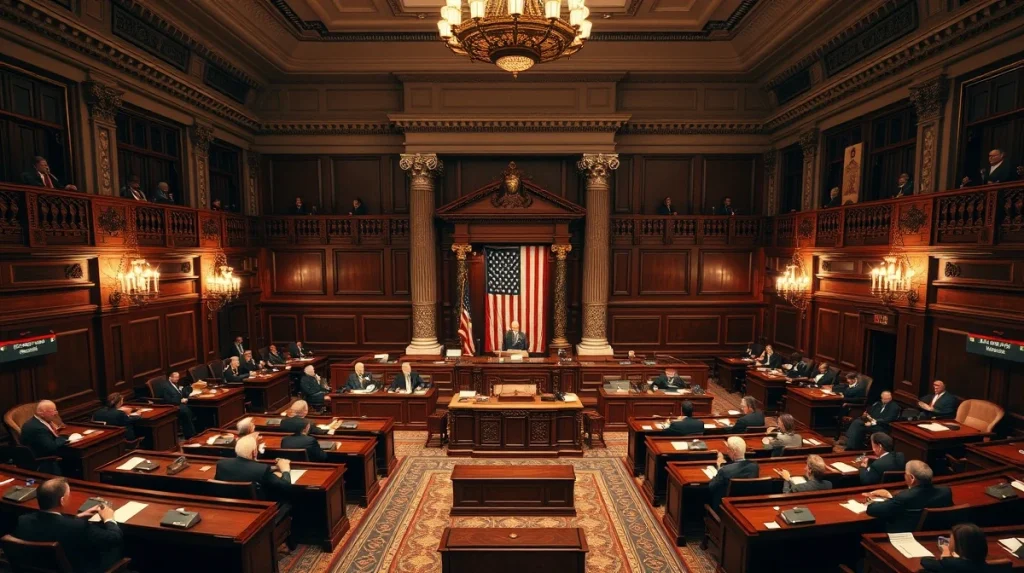
The United States Senate is set to begin voting on the Clarity Act today, following the collapse of bipartisan negotiations that had raised hopes for a compromise. Overnight talks failed to resolve outstanding differences, leaving the bill’s path uncertain despite broad agreement on most provisions.
Bipartisan Deal Falls Apart at the Final Stage
Senators involved in the negotiations described the bill as “99%” complete, but the remaining 1% proved insurmountable. The primary sticking point centers on the wording of the BRCA clause, which governs protections for noncustodial developers in blockchain networks. Disagreement over the scope and definition of these protections prevented the bipartisan coalition from reaching a final agreement.
Also read: Lumi Finance Loses $270K in Arbitrum Exploit; Blockaid Flags Sodium Smart Account Flaw
The collapse of the deal means the Senate will now proceed with a floor vote under standard procedures, where the bill’s fate is less certain. Without bipartisan support, the Clarity Act may face procedural hurdles or amendments that could alter its core provisions.
What the BRCA Dispute Means for Developers
The BRCA wording dispute is not a minor technicality. It determines whether noncustodial developers—those who build software but do not control user funds—can be held legally liable for how their code is used by third parties. Proponents of stronger protections argue that holding developers responsible for independent user actions would stifle innovation and drive development overseas. Opponents contend that without some accountability, malicious actors could exploit decentralized platforms with impunity.
Also read: CLARITY Act Update: Did JPMorgan Actually Back the Crypto Market Structure Bill?
This disagreement reflects a broader tension in cryptocurrency regulation: how to balance innovation with consumer protection. The outcome of the Clarity Act vote will set a precedent for how U.S. law treats decentralized technology and the individuals who build it.
Why This Vote Matters for the Crypto Industry
The Clarity Act has been closely watched by the cryptocurrency and blockchain sectors for months. If passed, it would provide much-needed legal clarity for digital asset businesses operating in the United States. Key provisions include definitions of digital assets, jurisdictional rules for cross-border transactions, and guidelines for compliance with existing securities laws.
The failure of bipartisan negotiations, however, introduces significant uncertainty. Industry observers note that a partisan vote could lead to a less balanced bill, potentially triggering legal challenges or regulatory fragmentation at the state level.
Conclusion
The Senate’s vote on the Clarity Act marks a critical moment for U.S. cryptocurrency policy. While the bill enjoys broad support in principle, the BRCA dispute underscores the difficulty of legislating emerging technology. The outcome will determine not only the legal framework for digital assets but also the willingness of Congress to pursue bipartisan solutions in this rapidly evolving space.
FAQs
Q1: What is the Clarity Act?
The Clarity Act is a proposed federal law that aims to establish clear legal definitions and regulatory guidelines for digital assets and blockchain technology in the United States.
Q2: Why did bipartisan negotiations fail?
Negotiators could not agree on the wording of the BRCA clause, which addresses legal protections for noncustodial developers. This single issue prevented a final deal despite consensus on most other provisions.
Q3: What happens now that the deal has collapsed?
The Senate will proceed with a floor vote under standard procedures. Without bipartisan support, the bill may face amendments, procedural delays, or a more uncertain path to passage.