CLARITY Act Gains Momentum: Senator Tillis Pushes Bill Toward Senate Markup Amid Stablecoin Yield Shift
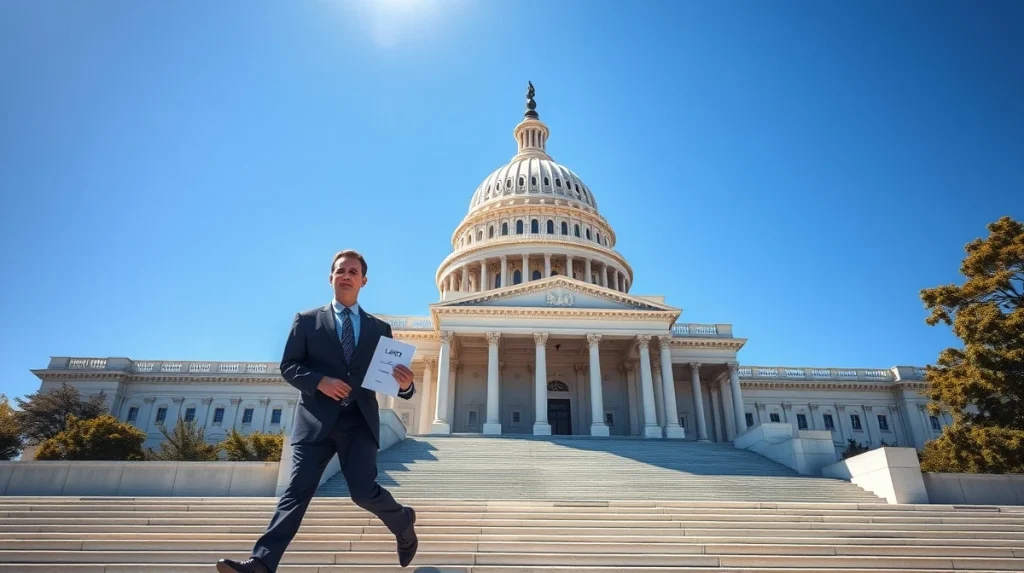
Senator Thom Tillis confirmed plans to advance the CLARITY Act to a Senate committee markup. The North Carolina Republican stated the bill is ready for the next step once lawmakers return to Washington. This development signals growing momentum for digital asset regulation in the United States.
The CLARITY Act, formally known as the Crypto-Asset Legal Clarity and Investor Protection Act, aims to define regulatory boundaries for digital assets. Tillis’s announcement came during a period of shifting sentiment around stablecoin yields and ongoing negotiations over decentralized finance rules.
Also read: Why Precious Metals and Crypto Are Increasingly Tracked Together: FinAIBox Analysis
Senator Tillis Pushes CLARITY Act Toward Senate Markup
Senator Tillis said the bill has gained enough support to move forward. He expects to request a markup session in the Senate Banking Committee. The markup process allows lawmakers to debate amendments and vote on the bill’s language.
This step is critical. It moves the CLARITY Act closer to a full Senate vote. Industry observers note that the bill’s progress reflects broader efforts to create a federal framework for crypto assets.
Also read: Taiko Reveals Four-Step Recovery Plan After June 21 Cyberattack
What the CLARITY Act Proposes
The legislation would clarify which federal agency oversees different types of digital assets. It assigns regulatory authority to the Commodity Futures Trading Commission for certain tokens. The Securities and Exchange Commission would oversee others based on their characteristics.
Key provisions include:
- Clear definitions for digital assets, securities, and commodities
- Investor protections requiring disclosures from issuers
- Market integrity rules for trading platforms
- Exemptions for smaller projects from certain registration requirements
The bill aims to reduce regulatory uncertainty. Many companies have complained about conflicting guidance from different agencies.
Stablecoin Yield Concerns Ease
Stablecoin yields have dropped significantly in recent months. Data from DeFi Llama shows average yields on major stablecoins fell from 12% in January 2026 to 4.5% by late April 2026. This decline has reduced pressure on regulators to address yield-bearing stablecoins.
Earlier concerns centered on stablecoins offering interest-like returns. Regulators worried these products could function as unregistered securities. The yield decline has cooled those debates.
Senator Tillis acknowledged this shift. He said lower yields make it easier to focus on core regulatory questions. The CLARITY Act does not directly address stablecoin yields. But its passage could create a framework for future rules.
DeFi Negotiations Heat Up
While stablecoin issues have eased, decentralized finance rules remain contentious. Lawmakers are debating how to treat DeFi protocols under existing securities laws. Some want to exempt fully decentralized platforms. Others argue for stricter oversight.
The CLARITY Act includes provisions for DeFi. It defines when a protocol is sufficiently decentralized to avoid SEC registration. This has become a central point of negotiation.
Industry groups have pushed for clear rules. The Blockchain Association stated that regulatory clarity would unlock innovation. Consumer advocates warn that weak rules could harm investors.
Timeline and Next Steps
The Senate Banking Committee is expected to schedule the markup after the April recess. Lawmakers return to Washington on May 4, 2026. Tillis said he will request a markup date shortly after.
If the committee approves the bill, it moves to the full Senate. Passage would require 60 votes to overcome a potential filibuster. The bill has bipartisan support but faces opposition from some Democrats who want stronger consumer protections.
The House of Representatives has its own version of the bill. Representative Patrick McHenry introduced a companion measure in March 2026. Both chambers would need to reconcile differences before sending a final bill to the president.
Expert Reactions
Legal experts have mixed views. Professor Linda Jeng of Georgetown Law called the bill a “reasonable starting point.” She noted that it addresses key issues but leaves room for interpretation.
Former CFTC Commissioner Brian Quintenz said the bill’s focus on clear definitions is essential. He argued that regulatory certainty would attract investment. Others worry the bill does not go far enough on investor protections.
The crypto industry has largely supported the CLARITY Act. Coinbase CEO Brian Armstrong praised the legislation in a public statement. He said it would help the United States compete with other jurisdictions.
Impact on Digital Asset Markets
The announcement has already affected markets. Bitcoin rose 3% on the news. Ethereum gained 2.5%. Trading volumes increased on major exchanges.
Investors view regulatory progress as positive. Clear rules could attract institutional capital. Many large funds have stayed out of crypto due to legal uncertainty.
The CLARITY Act could also affect token prices. Tokens classified as commodities under the bill might see price increases. Those classified as securities could face stricter rules.
Comparison with International Approaches
The United States has lagged behind other countries in crypto regulation. The European Union’s Markets in Crypto-Assets regulation took effect in 2024. The United Kingdom passed its Financial Services and Markets Act in 2023.
Singapore and Japan have established clear frameworks. The CLARITY Act would bring the US closer to international standards. This could help American companies compete globally.
Critics argue the bill is too slow. They note that technology moves faster than legislation. Supporters say thorough deliberation is better than rushed rules.
Political Dynamics
The CLARITY Act has divided lawmakers along party lines. Most Republicans support the bill. They argue it promotes innovation and reduces government overreach.
Many Democrats want stronger consumer protections. Senator Elizabeth Warren has criticized the bill as too industry-friendly. She wants provisions to prevent market manipulation and fraud.
Senator Tillis has worked to build bipartisan support. He has held meetings with Democratic colleagues. He also consulted with regulatory agencies to address their concerns.
What This Means for Investors
For retail investors, the CLARITY Act could provide more protection. It requires clearer disclosures from token issuers. It also sets rules for trading platforms.
Institutional investors would benefit from legal certainty. They could enter the market with less fear of regulatory action. This could increase liquidity and reduce volatility.
But the bill is not final. Changes during markup could alter its impact. Investors should monitor the legislative process closely.
Conclusion
Senator Tillis pushes the CLARITY Act toward Senate markup at a decisive time. Stablecoin yield concerns have eased, allowing lawmakers to focus on broader regulatory questions. DeFi negotiations remain intense but show signs of progress. The bill’s passage could reshape the US digital asset market. It would provide clarity for companies, investors, and regulators. The coming weeks will determine whether this legislative effort succeeds.
FAQs
Q1: What is the CLARITY Act?
The CLARITY Act is a US bill that defines regulatory boundaries for digital assets. It assigns oversight to different federal agencies based on asset characteristics.
Q2: Why is Senator Tillis pushing for a markup now?
Senator Tillis believes the bill has enough support to move forward. He also noted that stablecoin yield concerns have eased, reducing political obstacles.
Q3: How would the CLARITY Act affect stablecoins?
The bill does not directly regulate stablecoin yields. But it creates a framework for future rules. It also defines when stablecoins qualify as securities.
Q4: What happens after the markup?
If the committee approves the bill, it goes to the full Senate for a vote. The House must pass its own version. Both chambers then reconcile differences.
Q5: When could the CLARITY Act become law?
The timeline is uncertain. If markup proceeds in May 2026, a Senate vote could happen by summer. The House version may take longer. Final passage could occur in late 2026.