AI Data Centers Face Stunning Local Resistance Mirroring Bitcoin Mining’s Turbulent History
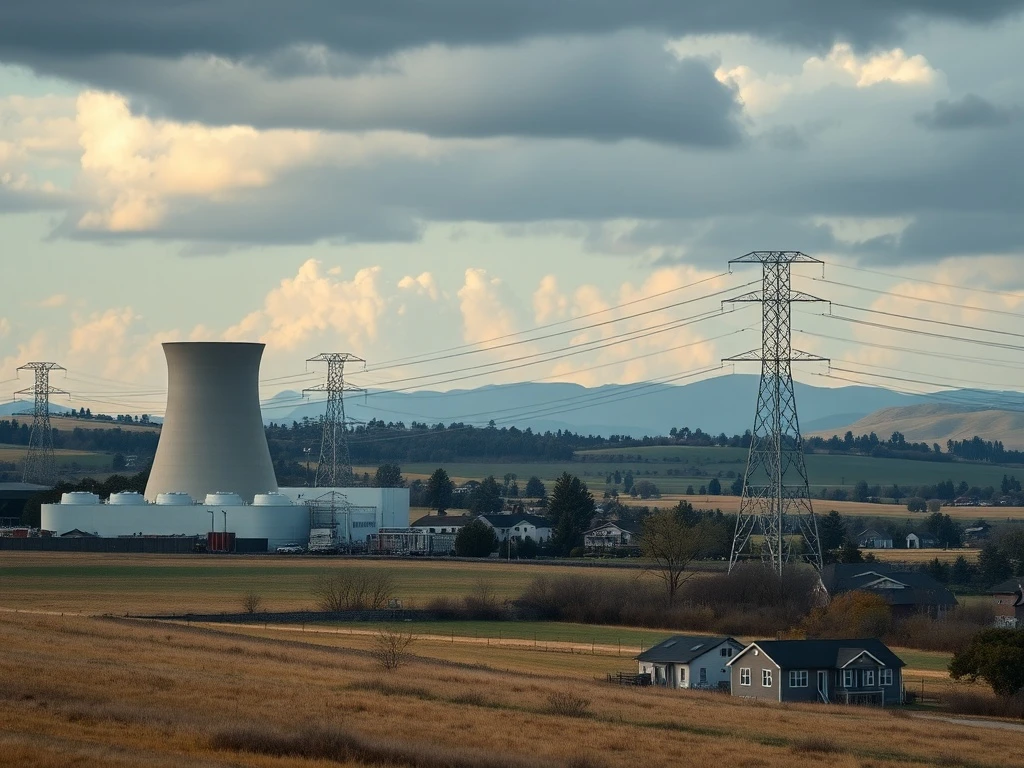
Across the United States in early 2025, artificial intelligence companies encounter unexpected hurdles as local communities push back against massive data center expansions, creating a striking parallel to the resistance that previously slowed Bitcoin mining operations nationwide.
AI Data Centers Confront Community Opposition Patterns
Artificial intelligence infrastructure development now faces significant local resistance that echoes Bitcoin mining’s earlier challenges. Communities from Texas to Georgia question the long-term costs of hosting energy-intensive facilities. Industry data reveals approximately $64 billion in U.S. data center projects face delays or cancellations due to community concerns. This opposition focuses on electricity demand, infrastructure strain, and environmental impacts.
Also read: Zero-Knowledge Proofs Guide: Hoskinson's Free 337-Page GitHub Release Empowers Developers
Residents and local officials increasingly challenge promises of economic benefits. They demand clearer accountability from technology companies. The situation mirrors Bitcoin mining’s expansion period when communities learned that cheap power access didn’t guarantee acceptance. Local governments now implement temporary moratoriums on new developments while reviewing zoning regulations and infrastructure plans.
Historical Parallels Between Bitcoin and AI Infrastructure
Bitcoin mining operations previously navigated similar community resistance during their expansion phase. Mining companies promised job creation and enhanced tax revenues that sometimes failed to materialize. This experience created skepticism that now affects AI infrastructure projects. Communities remember unfulfilled promises and approach new developments with caution.
Also read: Crypto Liquidations Surge Past $450M as Options Expiry and Oil Shock Fuel Market Panic
The resistance appears strongest in states with significant existing infrastructure. Texas, Georgia, Illinois, and Mississippi all report growing concerns about AI data centers. Residents question whether local grids can handle additional demand. They also worry about long-term environmental consequences and infrastructure degradation.
Industry Response and Strategic Shifts
Technology companies now adopt more community-focused approaches to address resistance. OpenAI recently announced plans to “pay its own way” for energy costs associated with expansion. This represents a significant shift toward greater cost accountability. Microsoft pursues similar community-oriented infrastructure strategies to manage power generation and grid upgrade expenses.
These approaches resemble Bitcoin mining industry responses to earlier pushback. Mining companies frequently renegotiated power contracts and invested in mitigation measures. They worked to demonstrate clearer community benefits tied to their operations. The pattern suggests infrastructure industries must increasingly prioritize community engagement and transparency.
Economic and Infrastructure Impact Analysis
Local opposition creates substantial economic consequences for AI development timelines. Delayed projects affect regional investment and technological advancement. Infrastructure strain represents a primary concern for communities. Power grids designed for residential and traditional commercial use struggle with data center demands.
Water usage for cooling systems presents another significant issue. Communities in water-stressed regions particularly question data center water consumption. Environmental impact assessments become more rigorous as local governments seek comprehensive understanding of long-term effects. These concerns directly mirror those raised during Bitcoin mining expansions.
| Concern Category | Bitcoin Mining | AI Data Centers |
|---|---|---|
| Power Consumption | High, continuous demand | Extremely high, growing demand |
| Infrastructure Strain | Grid capacity issues | Grid upgrades required |
| Noise Pollution | Cooling system noise | Similar cooling concerns |
| Economic Promises | Jobs, tax revenue | Similar economic claims |
| Environmental Impact | Carbon footprint | Water usage, energy source |
Bitcoin Mining Companies Pivot Toward AI
Interestingly, Bitcoin mining companies increasingly transition toward AI and high-performance computing workloads. Companies including Hut 8, Riot Platforms, and HIVE Digital Technologies pursue this strategic shift. Intensifying mining competition and tighter margins following the 2024 Bitcoin halving drive this transition.
These companies apply existing infrastructure and power expertise to enter AI markets. Their experience with community relations and regulatory compliance provides competitive advantages. The convergence suggests infrastructure expertise transfers between sectors despite different technological applications.
Regulatory and Policy Developments
Local governments develop new regulatory frameworks to manage data center expansion. Zoning rule revisions address land use concerns. Backup generation requirements ensure grid stability during peak demand periods. Environmental review processes become more comprehensive for large-scale projects.
Some communities implement special taxing districts for infrastructure maintenance. Others require community benefit agreements from technology companies. These developments create more predictable regulatory environments while addressing resident concerns. The approach balances economic development with community protection.
Future Outlook and Industry Adaptation
The AI industry must develop sustainable expansion strategies that address community concerns. Renewable energy integration represents one promising approach. Distributed computing architectures might reduce localized infrastructure strain. Community partnership models could enhance acceptance and shared benefits.
Technology companies increasingly recognize that infrastructure development requires social license alongside regulatory approval. Transparent communication about impacts and benefits becomes essential. Long-term planning must consider community needs alongside technological requirements. This represents a significant evolution from earlier expansion approaches.
Key industry adaptation strategies include:
- Renewable energy commitments – Sourcing power from sustainable generation
- Infrastructure investment – Contributing to grid and utility upgrades
- Community benefit programs – Creating local economic opportunities
- Transparent reporting – Regularly sharing environmental and economic data
- Adaptive siting – Choosing locations with existing infrastructure capacity
Conclusion
AI data centers face growing local resistance that mirrors Bitcoin mining’s historical challenges, creating significant implications for technological infrastructure development. Community concerns about power consumption, infrastructure strain, and environmental impacts drive this opposition across multiple states. Technology companies must adopt more community-oriented approaches to ensure sustainable expansion. The convergence of Bitcoin mining and AI infrastructure experiences suggests broader lessons about community engagement in technology development. Future infrastructure projects will likely require greater transparency, community benefit demonstration, and environmental consideration to gain acceptance.
FAQs
Q1: Why are communities resisting AI data center development?
Communities resist AI data centers due to concerns about electricity demand straining local grids, infrastructure maintenance costs, environmental impacts including water usage for cooling, and skepticism about promised economic benefits that sometimes fail to materialize.
Q2: How does this resistance compare to Bitcoin mining opposition?
The resistance shows striking parallels, with both industries facing similar concerns about power consumption, infrastructure strain, noise pollution, and unfulfilled economic promises. Communities apply lessons learned from Bitcoin mining experiences to AI infrastructure evaluation.
Q3: Which states show the strongest opposition to AI data centers?
Texas, Georgia, Illinois, and Mississippi report significant community resistance, particularly in regions where existing infrastructure already faces strain or where previous Bitcoin mining operations created community skepticism.
Q4: How are AI companies responding to this resistance?
Companies like OpenAI and Microsoft adopt more community-focused strategies, including committing to cover their energy costs, investing in local infrastructure, pursuing renewable energy sources, and engaging in more transparent community dialogue about impacts and benefits.
Q5: What does this mean for future technology infrastructure development?
Future development will likely require greater community engagement, more comprehensive environmental planning, clearer demonstration of economic benefits, and potentially different siting strategies that consider existing infrastructure capacity and community concerns from project inception.

This article was produced with AI assistance and reviewed by our editorial team for accuracy and quality.