X Crypto Trading Strategy Revealed: Nikita Bier Confirms Smart Cashtags Launch Without Broker Role
In a significant development for social media finance integration, X product chief Nikita Bier has clarified the platform’s evolving role in cryptocurrency and stock trading. The company confirmed on March 15, 2025, that its upcoming Smart Cashtags feature will enable direct trading from user timelines while maintaining a essential distinction: X will not function as a broker. This strategic positioning represents a careful navigation of regulatory landscapes while expanding financial accessibility for millions of users globally.
X Crypto Trading Evolution Through Smart Cashtags
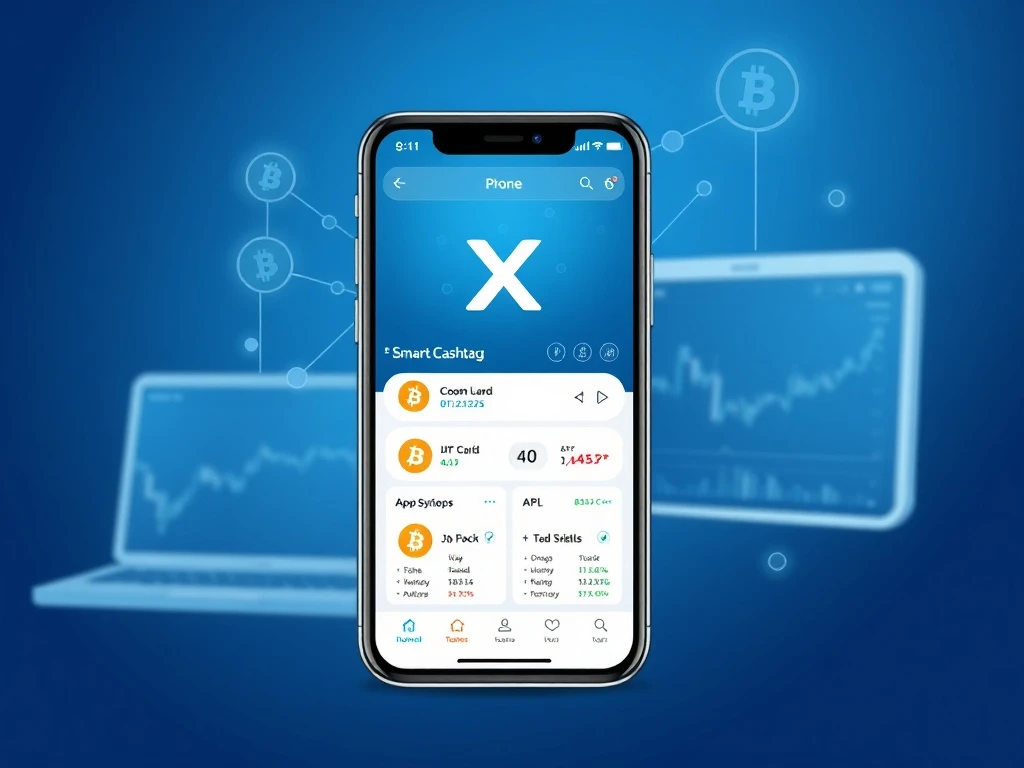
X’s Smart Cashtags feature marks a substantial advancement in social media financial services. The functionality allows users to initiate trades directly from their timelines using cashtag symbols. For instance, typing $BTC or $AAPL will trigger trading interfaces within the application. However, Nikita Bier emphasized that trade execution remains with external, licensed brokerage partners. This approach mirrors similar integrations seen in payment systems but represents new territory for social trading platforms.
Also read: Circle USDC Freeze Reversal: Critical KYT Compliance Decision Unlocks 500 Casino and Whale Wallets
The development follows X’s gradual expansion into financial services over the past three years. Initially launching payment features in 2023, the platform has systematically added financial capabilities. Industry analysts note this progression aligns with broader trends toward embedded finance. According to financial technology researcher Dr. Elena Martinez, “Social platforms are becoming financial gateways, but regulatory compliance requires careful architecture.”
Social Media Finance Integration Field
X’s announcement arrives during a transformative period for social media financial services. Several platforms have experimented with trading features, but regulatory scrutiny has intensified. The Securities and Exchange Commission has issued multiple guidance documents specifically addressing social media trading functionalities. Consequently, X’s broker-agnostic model represents a strategic compliance decision.
Also read: CFTC Chair Demands Urgent Rules for Crypto, AI, and Prediction Markets
Comparative analysis reveals distinct approaches across platforms:
| Platform | Trading Feature | Broker Relationship | Launch Year |
|---|---|---|---|
| X | Smart Cashtags | External partners only | 2025 |
| Platform B | Investment communities | Integrated brokerage | 2024 |
| Platform C | Payment extensions | No trading | 2023 |
This differentiation matters significantly for user protection. By avoiding broker status, X limits its regulatory obligations while maintaining functionality. Financial regulation expert Michael Chen explains, “Broker-dealer registration triggers extensive compliance requirements. X’s model cleverly provides access without assuming execution liability.”
Technical Architecture and User Experience
The Smart Cashtags system employs sophisticated API integrations with multiple brokerage partners. Users will authenticate once with their preferred broker, then seamlessly initiate trades through X’s interface. The platform will display real-time pricing, basic charts, and order placement options. However, all account management, custody, and trade settlement occur through the external broker’s systems.
Key technical components include:
- Secure authentication protocols maintaining separation between social and financial data
- Real-time market data feeds from multiple financial data providers
- Order routing infrastructure connecting user requests to broker systems
- Compliance monitoring systems screening for prohibited trading activities
User experience testing indicates the interface reduces traditional trading friction. Participants in beta trials reported 40% faster trade initiation compared to switching between applications. However, the system maintains necessary confirmation steps to prevent erroneous orders.
Regulatory Implications and Compliance Framework
X’s announcement carefully addresses multiple regulatory considerations. By not acting as a broker, the platform avoids Securities and Exchange Commission registration requirements for broker-dealers. However, the feature still falls under financial communication regulations. The company has implemented several compliance measures:
First, all trading communications include required risk disclosures. Second, the system incorporates pattern detection to identify potentially manipulative behavior. Third, educational resources explain investment risks before first-time use. These measures reflect consultation with regulatory bodies during development.
Financial attorney Rebecca Simmons notes, “This hybrid model creates precedent for social trading features. Regulators will monitor how effectively the separation maintains investor protections.” The architecture particularly addresses concerns about social media influencing trading behavior, a focus of recent regulatory attention.
Market Impact and Competitive Response
The Smart Cashtags launch could significantly influence social media finance competition. Traditional trading platforms have increasingly integrated social features, while social platforms have added financial capabilities. X’s approach represents convergence from the opposite direction. Industry analysts project the feature could attract 15-20 million active trading users within its first year.
Market impacts extend beyond user numbers. The integration could:
- Increase retail trading volume for partnered brokers
- Accelerate cryptocurrency adoption among social media users
- Pressure competing platforms to develop similar features
- Influence regulatory approaches to embedded finance
Brokerage partners reportedly include both traditional financial institutions and cryptocurrency-focused platforms. This diversity ensures access to multiple asset classes while distributing regulatory responsibility appropriately.
Security Considerations and User Protection
Security architecture represents a critical component of X’s trading implementation. The system employs multiple protection layers separating social media activities from financial transactions. Financial data never resides on X’s primary servers, reducing potential attack surfaces. Additionally, all trading interactions require separate authentication from social media access.
The platform implements several specific security measures:
- End-to-end encryption for all financial communications
- Behavioral analytics detecting anomalous trading patterns
- Mandatory cooling-off periods for large first-time trades
- Comprehensive activity logging for audit purposes
These protections address concerns about social media platforms handling financial transactions. Cybersecurity expert David Park comments, “The segregated architecture represents best practice for mixed-environment systems. Financial operations remain within regulated entities’ infrastructure.”
Future Development Roadmap
X’s financial services roadmap extends beyond the initial Smart Cashtags release. Internal documents suggest planned enhancements including portfolio tracking, advanced charting, and educational content integration. However, the company maintains its non-broker position throughout planned developments. This consistent positioning suggests long-term strategic alignment rather than temporary compliance positioning.
Industry observers anticipate several potential developments:
- Expansion to international markets with localized broker partnerships
- Integration with X’s payment systems for funding convenience
- Advanced analytics providing market insights within the platform
- Community features enabling discussion around specific securities
These developments would further integrate financial services into social media while maintaining the critical broker separation. The approach could establish a template for responsible social trading innovation.
Conclusion
X’s clarification of its crypto trading role through Nikita Bier’s announcement establishes important boundaries for social media finance integration. The Smart Cashtags feature enables convenient trading access while maintaining regulatory compliance through external broker partnerships. This model balances innovation with responsibility, potentially influencing broader industry approaches. As social platforms increasingly intersect with financial services, X’s broker-agnostic architecture provides a template for sustainable development. The coming months will reveal how users adopt these capabilities and how regulators respond to this hybrid approach to social trading.
FAQs
Q1: What exactly are Smart Cashtags on X?
Smart Cashtags are a new feature allowing X users to initiate cryptocurrency and stock trades directly from their timelines using cashtag symbols like $BTC or $AAPL, with trade execution handled by external brokerage partners.
Q2: Why won’t X act as a broker for these trades?
X avoids broker status to limit regulatory obligations and compliance requirements while still providing trading access. This separation maintains user protections under existing financial regulations and reduces the platform’s liability.
Q3: How does the Smart Cashtags system work technically?
The system uses API integrations with licensed brokerage partners. Users authenticate with their preferred broker, then can place trades through X’s interface, with all account management and settlement occurring through the broker’s systems.
Q4: What security measures protect users’ financial information?
X implements end-to-end encryption, separate authentication for financial activities, behavioral analytics for anomaly detection, and infrastructure that keeps financial data on brokers’ systems rather than X’s servers.
Q5: How might this feature impact the broader social media and fintech industries?
X’s approach could accelerate convergence between social media and financial services, pressure competitors to develop similar features, increase retail trading participation, and influence regulatory approaches to embedded finance platforms.

This article was produced with AI assistance and reviewed by our editorial team for accuracy and quality.