US In Vitro Diagnostics Market Soars: Projected to Hit USD 57.18 Billion by 2031
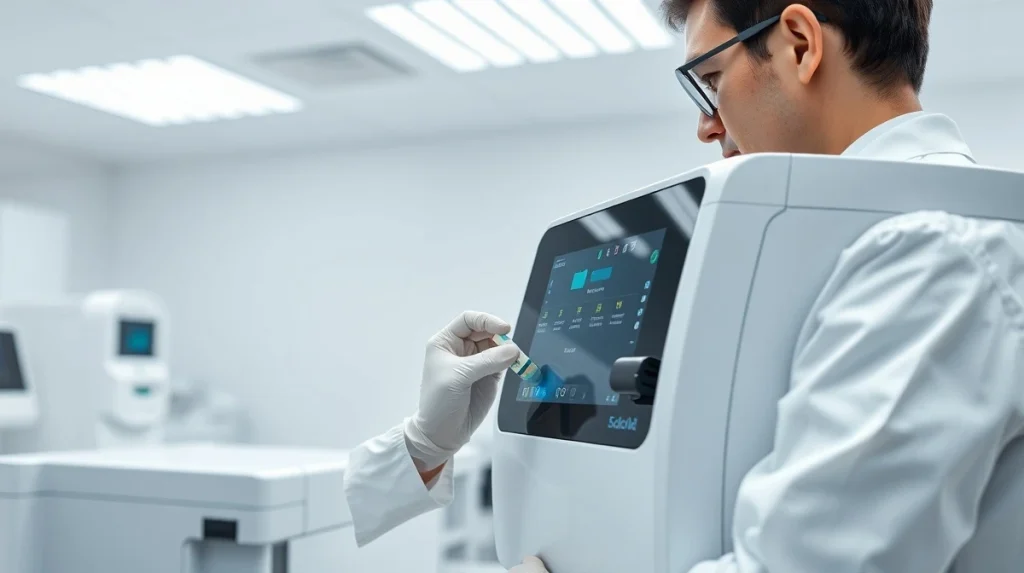
The United States in vitro diagnostics (IVD) market is on a significant growth trajectory, with recent analysis projecting its value to reach USD 57.18 billion by 2031. This expansion, detailed in a comprehensive market report, underscores the critical and evolving role of diagnostic testing in modern healthcare. Fundamentally, in vitro diagnostics involve tests performed on samples like blood or tissue outside the human body, providing essential data for disease detection, monitoring, and management.
Drivers of the US In Vitro Diagnostics Market Expansion
Several interconnected factors are propelling this substantial market growth. Primarily, the aging population in the United States creates a sustained demand for diagnostic services related to chronic and age-related conditions. Consequently, conditions like diabetes, cardiovascular diseases, and cancer require ongoing monitoring, directly fueling the need for reliable IVD solutions. Furthermore, the continued emphasis on early disease detection and preventive medicine encourages broader screening and testing protocols across clinical settings.
Also read: M Series ANC Token Presale Launches with Detailed Vesting
Technological innovation serves as another powerful catalyst. Advances in molecular diagnostics, next-generation sequencing, and point-of-care testing are revolutionizing the field. These innovations enable faster, more accurate, and increasingly personalized diagnostic results. Additionally, the integration of artificial intelligence and data analytics into diagnostic platforms is enhancing test interpretation and laboratory workflow efficiency, creating new value within the IVD ecosystem.
Key Market Segments and Technological Breakdown
The market’s structure is multifaceted, segmented by product, technology, specimen, and application. The product and service segment includes essential kits, reagents, and the sophisticated instruments that run the tests. Meanwhile, the technology segment encompasses established and emerging methodologies.
Also read: Pepeto Presale Attracts Investor Interest Amid Meme Coin Rally
- Immunoassays: Remain a cornerstone for detecting proteins, hormones, and infectious agents.
- Molecular Diagnostics: Experience rapid growth for genetic testing and pathogen identification.
- Hematology and Glucose Monitoring: Continue as high-volume segments for blood disorders and diabetes management.
Blood persists as the predominant specimen type due to its rich informational content. However, non-invasive sampling methods are gaining traction. Applications are vast, with infectious disease testing, endocrinology, and cardiology representing major areas of clinical focus and commercial activity.
Regulatory and Reimbursement Landscape
The path from development to clinical adoption for IVD products is heavily influenced by the regulatory framework of the U.S. Food and Drug Administration (FDA). Stringent review processes for premarket approvals (PMA) and 510(k) clearances ensure safety and efficacy but also impact time-to-market. Simultaneously, reimbursement policies from Centers for Medicare & Medicaid Services (CMS) and private insurers critically determine commercial viability and patient access to new diagnostic tests. Navigating this complex landscape is a defining challenge and competency for market participants.
Competitive Dynamics and Strategic Trends
The competitive landscape features a mix of large, diversified corporations and specialized diagnostic firms. Key players consistently invest in research and development to launch novel assays and platforms. A prominent strategic trend is the move toward consolidation and partnership. Companies often acquire innovative startups or form alliances to access new technologies, expand test menus, and strengthen distribution networks. Moreover, there is a clear shift toward developing integrated, connected diagnostic solutions that feed data directly into electronic health records, supporting a more cohesive healthcare delivery model.
The Impact of Recent Global Health Challenges
The COVID-19 pandemic served as a profound stress test and catalyst for the IVD industry. It demonstrated the vital importance of scalable, rapid diagnostic manufacturing and distribution. The pandemic accelerated the adoption of point-of-care and at-home testing models, shifting some testing away from traditional central laboratories. This experience has left a lasting imprint, with increased preparedness for future outbreaks and heightened public and institutional awareness of diagnostic capabilities now embedded in market dynamics.
Future Outlook and Challenges
Looking ahead, the trajectory toward USD 57.18 billion by 2031 appears robust, yet not without obstacles. Growth will likely be driven by personalized medicine, liquid biopsy technologies for oncology, and advanced infectious disease panels. However, the market must contend with ongoing pressures to reduce healthcare costs, which can lead to pricing constraints on diagnostic tests. Furthermore, ensuring equitable access to advanced diagnostics across different patient populations and healthcare settings remains a persistent challenge for the industry and policymakers alike.
Conclusion
The projected growth of the US in vitro diagnostics market to USD 57.18 billion by 2031 reflects its indispensable role in contemporary medicine. This expansion is fueled by demographic shifts, technological breakthroughs, and an enduring focus on improving patient outcomes through precise diagnostics. As the industry evolves, its success will hinge on continuous innovation, navigating regulatory pathways, and demonstrating the clear clinical and economic value of new diagnostic solutions to the broader healthcare system.
FAQs
Q1: What is in vitro diagnostics (IVD)?
In vitro diagnostics (IVD) are tests performed on samples such as blood, tissue, or urine outside the human body. These tests provide critical information for detecting diseases, monitoring health conditions, guiding treatment decisions, and assessing overall health.
Q2: What are the main factors driving the growth of the US IVD market?
Key drivers include an aging population requiring more medical testing, the rising prevalence of chronic diseases, continuous technological advancements in testing methods, and a growing emphasis on personalized and preventive healthcare strategies.
Q3: Which technology segment is growing the fastest?
Molecular diagnostics, which includes techniques like PCR and next-generation sequencing for analyzing genetic material, is among the fastest-growing technology segments due to its applications in oncology, infectious diseases, and genetic disorders.
Q4: How does regulation affect the IVD market?
The U.S. Food and Drug Administration (FDA) regulates IVD devices to ensure their safety and effectiveness. The regulatory process, which includes premarket reviews, significantly influences the development timeline, cost, and commercial launch of new diagnostic tests.
Q5: What is the significance of point-of-care testing in the IVD market?
Point-of-care testing allows diagnostics to be performed at or near the patient’s location, such as a doctor’s office or at home. This trend delivers faster results, enables quicker clinical decisions, and improves patient convenience, representing a significant and expanding segment of the overall market.

This article was produced with AI assistance and reviewed by our editorial team for accuracy and quality.