Trump Dollar Bill: Historic Decision Places Sitting President on US Currency for First Time
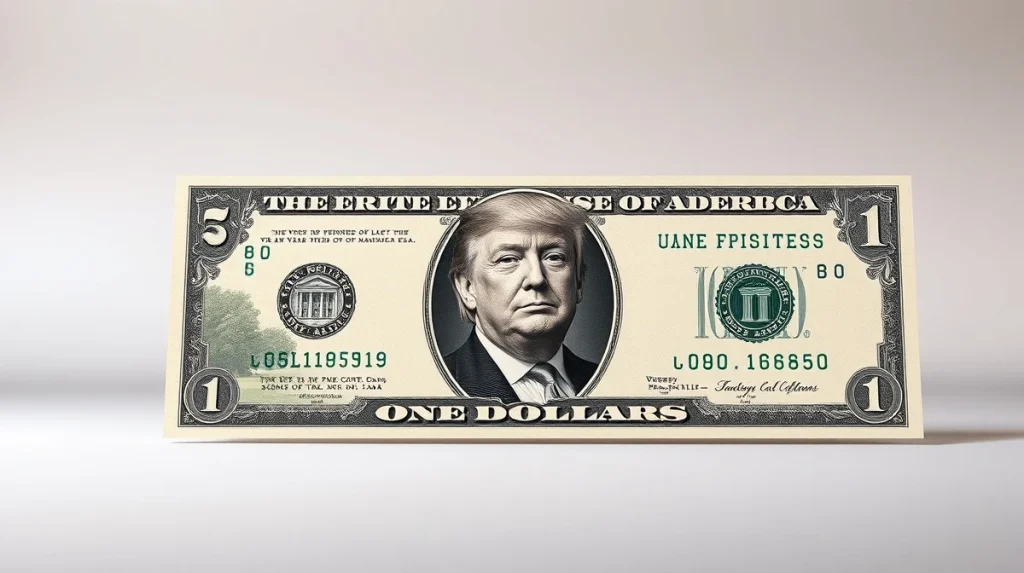
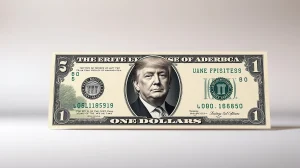
WASHINGTON, D.C. — In an unprecedented move that breaks with centuries of tradition, the United States Treasury Department has confirmed that President Donald Trump will appear on newly designed one-dollar bills, marking the first instance in American history of a sitting president being featured on the nation’s currency. The announcement, made on March 26, 2026, follows a multi-year review process and represents the most significant change to US paper currency since the introduction of the modern security features in the 1990s.
Trump Dollar Bill Implements Major Currency Redesign
The Treasury Department’s Bureau of Engraving and Printing will begin production of the new banknotes immediately. Consequently, the familiar portrait of George Washington will be replaced on the one-dollar bill. However, officials emphasize that Washington will continue to appear on the quarter coin. The redesign process involved extensive security consultations and anti-counterfeiting measures. Furthermore, the new bills will incorporate advanced security features that were developed over the past decade.
Traditionally, US currency has featured deceased presidents and historical figures exclusively. For instance, the current lineup includes George Washington ($1), Thomas Jefferson ($2), Abraham Lincoln ($5), Alexander Hamilton ($10), Andrew Jackson ($20), Ulysses S. Grant ($50), and Benjamin Franklin ($100). This longstanding policy aimed to ensure historical perspective before honoring individuals on the nation’s money. The decision to feature a sitting president therefore represents a fundamental departure from established precedent.
Legal Framework and Authorization Process
The Secretary of the Treasury possesses statutory authority to determine the designs of US currency under Title 31 of the U.S. Code. This authority does not require congressional approval for design changes, though consultations with congressional leadership typically occur. The process for this redesign began in early 2025 with internal Treasury reviews. Subsequently, multiple security and design committees evaluated various proposals over several months.
Key considerations in the redesign included:
- Security features: Enhanced color-shifting ink, embedded security threads, and microprinting
- Production timeline: Phased introduction over 18-24 months to minimize disruption
- Cost implications: Estimated $400 million for plate changes and production updates
- International standards: Compliance with global anti-counterfeiting protocols
Historical Context of Presidential Portraits on Currency
American currency has featured presidential portraits since 1869, when George Washington first appeared on the one-dollar bill. The tradition solidified with the 1929 standardization of currency sizes and designs. Historically, the Treasury has avoided contemporary political figures to maintain currency’s non-partisan status. For example, the last living person to appear on US currency was President Calvin Coolidge, who appeared on the 1926 Sesquicentennial half-dollar coin while in office.
Several historical attempts to feature sitting presidents have failed. President Franklin D. Roosevelt’s administration considered placing his portrait on the dime during his lifetime but ultimately waited until after his death. Similarly, discussions about President John F. Kennedy appearing on the half-dollar occurred only after his assassination. The current decision therefore breaks with this cautious historical approach.
| President | Currency Denomination | Year First Appeared | Years After Presidency |
|---|---|---|---|
| George Washington | $1 Bill | 1869 | 70 |
| Thomas Jefferson | $2 Bill | 1869 | 40 |
| Abraham Lincoln | $5 Bill | 1914 | 49 |
| Andrew Jackson | $20 Bill | 1928 | 83 |
| Ulysses S. Grant | $50 Bill | 1913 | 28 |
| Donald Trump | $1 Bill | 2026 | 0 (sitting president) |
Economic and Practical Implications of the Currency Change
The Federal Reserve estimates that approximately 14 billion one-dollar bills currently circulate globally. Replacement of this volume will occur gradually as worn currency returns through banking channels. Importantly, existing one-dollar bills will remain legal tender indefinitely. The Federal Reserve will not recall or devalue current bills. However, vending machines and automated systems nationwide will require updates to recognize the new design.
International currency markets showed minimal reaction to the announcement. Major financial institutions reported normal trading patterns for the US dollar. Meanwhile, currency collectors and numismatic markets anticipate significant interest in first-run bills. The Bureau of Engraving and Printing typically produces special uncut sheets for collectors during currency redesigns. These collector items often appreciate substantially in value over time.
Production and Distribution Timeline
The Bureau of Engraving and Printing operates facilities in Washington, D.C., and Fort Worth, Texas. Both locations will produce the new bills simultaneously. Production will begin with limited runs in April 2026. Full-scale production should commence by June 2026. Distribution to Federal Reserve banks will follow standard protocols. Consequently, the public might see the new bills as early as July 2026 in certain regions.
The redesign does not affect coinage or other denominations at this time. Treasury officials have confirmed that no other currency changes are currently planned. However, routine security updates continue for all denominations on their regular schedules. The next planned major redesign involves the $10 bill, scheduled for 2028 as part of ongoing anti-counterfeiting efforts.
Public Reaction and Political Response
Initial public polling conducted on March 26, 2026, showed divided opinions on the change. Approximately 47% of respondents approved of featuring a sitting president, while 44% disapproved, with 9% undecided. The partisan divide reflected broader political divisions, though some respondents across political spectra expressed concerns about breaking tradition.
Congressional responses varied significantly. House Speaker Mike Johnson issued a statement supporting the Treasury’s decision as “appropriate recognition of presidential leadership.” Conversely, Senate Majority Leader Chuck Schumer expressed reservations about “politicizing our national currency.” Several legislative proposals have emerged suggesting future design changes should require congressional approval. However, these proposals would not affect the current redesign.
Historical preservation groups have voiced concerns about diminishing Washington’s visibility. The Mount Vernon Ladies’ Association released a statement emphasizing Washington’s foundational role. Meanwhile, the White House has not commented beyond acknowledging the Treasury Department’s constitutional authority over currency design.
Conclusion
The decision to feature President Trump on the one-dollar bill represents a historic departure from American monetary tradition. This Trump dollar bill initiative reflects evolving approaches to presidential recognition during incumbency. The change involves complex production logistics but maintains continuity for currency users. Ultimately, the redesign will enter circulation gradually over the coming years. Its historical significance will likely be debated by historians and economists for decades. The currency change underscores the dynamic nature of national symbols in contemporary American society.
FAQs
Q1: When will the new Trump dollar bills enter circulation?
The Bureau of Engraving and Printing begins production in April 2026, with public circulation expected to start gradually in July 2026 through normal banking channels.
Q2: Will existing one-dollar bills with George Washington remain valid?
Yes, all existing US currency remains legal tender regardless of design changes. The Federal Reserve does not recall or devalue older bills.
Q3: Does this change require approval from Congress?
No, the Secretary of the Treasury has statutory authority under Title 31 of the U.S. Code to determine currency designs without congressional approval, though consultations typically occur.
Q4: How much will the currency redesign cost taxpayers?
The Treasury Department estimates approximately $400 million for plate changes, production updates, and security feature implementation across the one-dollar bill production system.
Q5: Will other currency denominations feature President Trump?
The Treasury Department has confirmed no plans to feature President Trump on other denominations. The redesign currently applies only to the one-dollar bill.
This article was produced with AI assistance and reviewed by our editorial team for accuracy and quality.