Track and Trace Solutions Market Surges Toward $12.27 Billion by 2030 Amid Global Supply Chain Demands
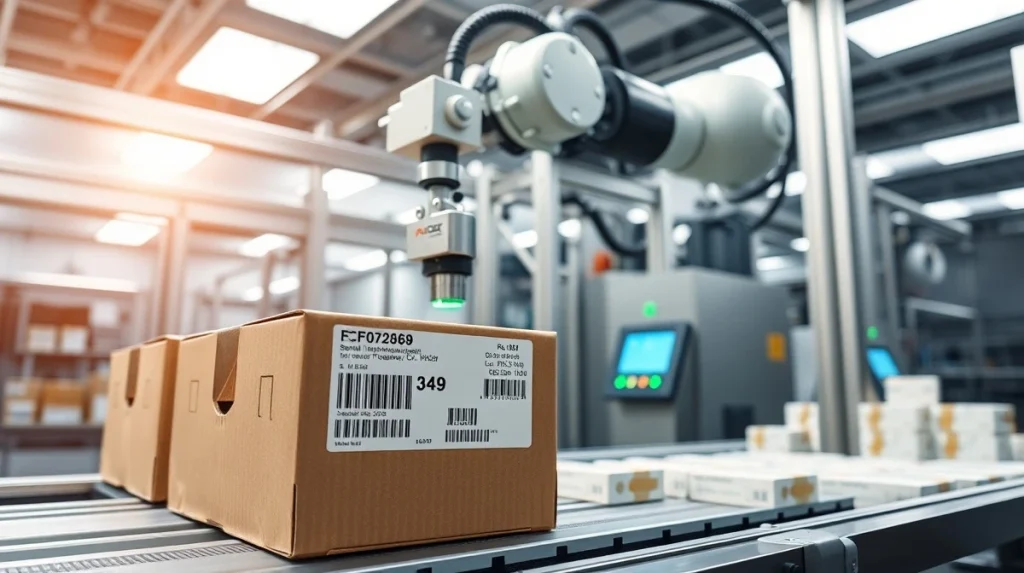
March 18, 2026 – The global market for track and trace solutions is on a definitive growth trajectory, with new analysis projecting it will reach a valuation of $12.27 billion by 2030. This significant expansion is fundamentally driven by stringent regulatory mandates, the relentless fight against counterfeit goods, and an overarching need for end-to-end supply chain visibility across critical industries like pharmaceuticals, food and beverage, and logistics. Consequently, companies worldwide are investing heavily in serialization and aggregation technologies to ensure product safety, compliance, and operational efficiency.
Track and Trace Solutions Market Catalysts and Core Drivers
Several powerful forces are converging to propel the track and trace solutions market forward. Primarily, pharmaceutical serialization regulations, such as the U.S. Drug Supply Chain Security Act (DSCSA) and the European Union’s Falsified Medicines Directive (FMD), have created a non-negotiable compliance floor. These regulations mandate unique product identifiers on prescription drug packages, establishing a robust digital trail from manufacturer to patient. Furthermore, the alarming proliferation of counterfeit products, which jeopardize consumer safety and brand integrity, has made investment in authentication technologies a top corporate priority. Simultaneously, consumers increasingly demand transparency about product origin, ethical sourcing, and sustainability, pressures that track and trace systems are uniquely positioned to address.
Also read: M Series ANC Token Presale Launches with Detailed Vesting
The technological evolution of the solutions themselves also serves as a key driver. Modern systems integrate hardware like printing and labeling equipment, vision systems, and scanners with sophisticated software platforms for data management, analytics, and reporting. The integration of Internet of Things (IoT) sensors, blockchain for immutable record-keeping, and advanced data analytics is transforming basic tracking into intelligent, predictive supply chain management tools.
Pharmaceutical Industry Leads Strategic Adoption
The pharmaceutical and biopharmaceutical sector remains the dominant end-user and primary growth engine for track and trace solutions. The stakes in this industry are exceptionally high, involving patient safety and regulatory compliance with severe penalties for non-adherence. A serialization project extends beyond mere labeling; it requires a holistic transformation of packaging lines, IT infrastructure, and data exchange protocols with supply chain partners.
Also read: Pepeto Presale Attracts Investor Interest Amid Meme Coin Rally
Major technology providers have developed comprehensive suites to meet these complex needs. For instance, solutions often encompass line-level serialization software, plant-level monitoring systems, and enterprise-level repositories for managing serial number data and facilitating verification requests. The move toward unit-level serialization, followed by aggregation (linking serialized units to their containing cases and pallets), is now considered industry best practice, enabling rapid recall execution and efficient logistics management.
Beyond Compliance: The Operational Value Proposition
While regulatory compliance provides the initial impetus, forward-thinking companies are leveraging track and trace data for tangible operational benefits. The data generated offers unprecedented visibility into production line performance, inventory levels in real-time, and distribution channel efficiency. Analysts can identify bottlenecks, reduce waste, and optimize warehouse operations. Moreover, in the event of a quality issue or recall, companies can pinpoint affected batches with precision, minimizing financial loss and protecting brand reputation. This shift from a cost-centric compliance tool to a value-driving strategic asset is a critical trend shaping market investments.
Regional Market Dynamics and Competitive Landscape
Market growth is not uniform globally, with adoption rates varying by region based on regulatory maturity and industrial development. North America and Europe currently hold the largest market shares, a direct result of their early and strict regulatory frameworks. However, the Asia-Pacific region is anticipated to exhibit the highest compound annual growth rate (CAGR) through the forecast period. This surge is fueled by the expanding pharmaceutical manufacturing base in countries like India and China, growing government initiatives to secure supply chains, and rising consumer awareness.
The competitive landscape is characterized by the presence of established automation giants, specialized software firms, and hardware manufacturers. Key players compete on the breadth of their solution portfolio, global service and support capabilities, interoperability with existing enterprise systems, and proven success in large-scale deployments. Partnerships and acquisitions are common strategies to fill technology gaps and expand geographic reach.
Common solution components include:
- Hardware: Printers, applicators, cameras, scanners, and sensors.
- Software: Line control, serial number management, warehouse management, and analytics platforms.
- Services: Integration, validation, maintenance, and support.
Future Challenges and Evolving Opportunities
Despite the optimistic forecast, the track and trace solutions market faces persistent challenges. The high initial capital expenditure for hardware and software integration can be a barrier, particularly for small and medium-sized enterprises. Additionally, achieving seamless interoperability between different systems across a global, multi-partner supply chain remains a complex technical hurdle. Data security and privacy concerns also escalate as more sensitive product and shipment data moves into digital ecosystems.
Looking ahead, several opportunities will define the next phase of market evolution. The application of artificial intelligence and machine learning to track and trace data promises predictive analytics for demand forecasting, preventive maintenance, and anomaly detection in the supply chain. Furthermore, the expansion of serialization mandates into new verticals—such as cosmetics, luxury goods, and certain food categories—presents fresh growth avenues. The convergence of track and trace with sustainability initiatives, allowing companies to precisely measure and report carbon footprint across the logistics journey, is another emerging frontier.
Conclusion
The projection of the global track and trace solutions market reaching $12.27 billion by 2030 underscores its critical and growing role in the modern economy. This growth is not a speculative trend but a direct response to concrete needs for security, compliance, and efficiency in an interconnected world. The journey from a reactive compliance exercise to a proactive, intelligence-generating pillar of supply chain strategy is well underway. As technologies continue to converge and regulations potentially expand, the track and trace solutions market is poised to become an even more indispensable component of global commerce, ensuring that products are not only delivered efficiently but also safely and authentically.
FAQs
Q1: What are the primary drivers of the track and trace solutions market?
The market is primarily driven by pharmaceutical serialization regulations (like the DSCSA and EU FMD), the global need to combat counterfeit products, and increasing demand for supply chain transparency and efficiency from both businesses and consumers.
Q2: Which industry is the largest user of track and trace solutions?
The pharmaceutical and biopharmaceutical industry is the largest and most mature adopter, due to strict patient safety regulations and the high risks associated with counterfeit medicines.
Q3: What is the difference between serialization and aggregation?
Serialization assigns a unique identifier (like a 2D barcode) to each saleable unit. Aggregation is the process of creating a parent-child relationship, linking those serialized units to the cases they are packed in, and those cases to the pallets they are shipped on, creating a digital hierarchy for efficient tracking.
Q4: What are the main challenges companies face when implementing track and trace?
Key challenges include high upfront capital and integration costs, achieving system interoperability across different partners in the supply chain, managing the volume of serialization data, and ensuring ongoing compliance as regulations evolve.
Q5: How is technology like blockchain and AI impacting track and trace?
Blockchain is being explored for creating secure, immutable, and shared records of ownership transfers, enhancing trust in supply chains. AI and machine learning are used to analyze track and trace data for predictive insights, such as forecasting delays, optimizing routes, and automatically detecting suspicious patterns that may indicate counterfeiting.

This article was produced with AI assistance and reviewed by our editorial team for accuracy and quality.