Smart Appliances Market Surges as Connected Home Demand Reaches Critical Mass
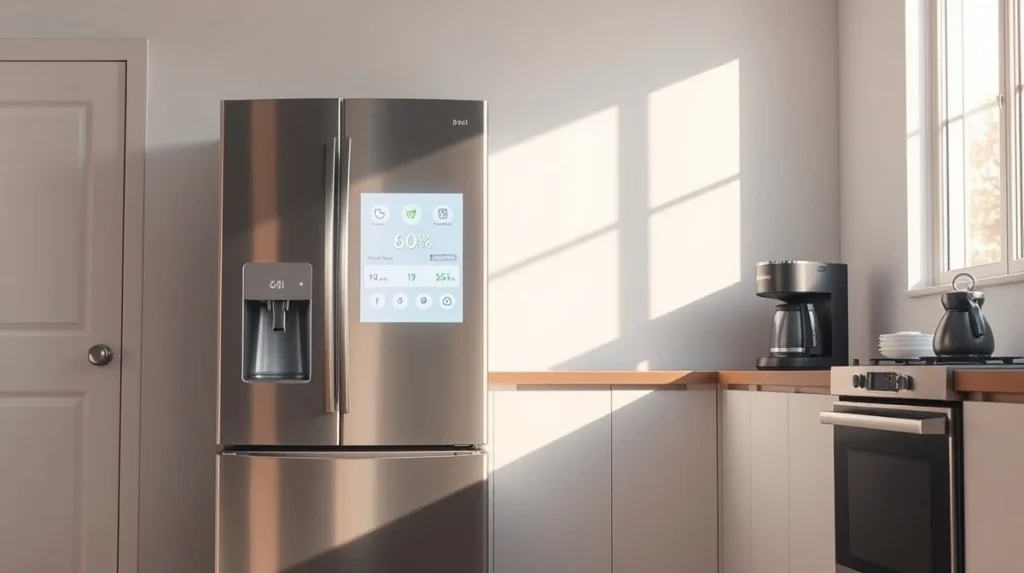
The global smart appliances market is experiencing unprecedented growth as consumer demand for connected, efficient home solutions accelerates, according to recent analysis from research firm MarketsandMarkets. This expansion reflects a fundamental shift in how households manage energy, convenience, and daily tasks through Internet of Things (IoT) integration. Major manufacturers are now embedding advanced sensors, connectivity modules, and AI-driven features into refrigerators, washing machines, ovens, and climate control systems. Consequently, the market trajectory points toward a more automated and responsive home environment. This trend is particularly evident in North America and Asia-Pacific regions, where adoption rates have doubled since 2023.
Smart Appliances Market Drivers and Consumer Adoption
Several key factors propel the smart appliances market forward. Primarily, rising consumer awareness of energy conservation creates strong demand for appliances that optimize electricity and water usage. Additionally, increasing smartphone penetration provides the necessary control interface for connected devices. Government initiatives promoting smart home technologies and energy efficiency standards further stimulate market growth. For instance, many regions now offer rebates for ENERGY STAR certified connected appliances. Moreover, the post-pandemic emphasis on home-centric living has accelerated investment in domestic comfort and convenience technologies. Manufacturers report that features like remote monitoring, predictive maintenance, and voice control are now standard consumer expectations rather than premium additions.
Also read: M Series ANC Token Presale Launches with Detailed Vesting
The adoption curve shows distinct patterns across different product categories. Smart refrigerators currently lead in market share, followed closely by connected laundry appliances and smart climate control systems. Interestingly, integration between different appliance categories is becoming a significant purchasing factor. Consumers increasingly seek ecosystems where their refrigerator can communicate with their oven or grocery list app. This interoperability demand pushes manufacturers toward open standards and partnerships. Furthermore, data security and privacy concerns remain critical hurdles that industry players must continuously address to maintain consumer trust.
Technological Innovations and IoT Integration
Technological advancement serves as the core engine of smart appliance evolution. Modern units incorporate sophisticated sensors that monitor usage patterns, internal conditions, and operational efficiency. These sensors feed data to machine learning algorithms that optimize performance over time. For example, a smart washing machine can learn a household’s laundry habits and suggest the most efficient wash cycles. Similarly, smart ovens can recognize food items and automatically set cooking parameters. The underlying connectivity relies predominantly on Wi-Fi and Bluetooth protocols, with emerging adoption of Matter, the new unifying standard for smart home devices.
Also read: Pepeto Presale Attracts Investor Interest Amid Meme Coin Rally
Artificial intelligence implementation marks the most significant leap forward. AI enables appliances to move beyond simple remote control to genuine predictive automation. A smart HVAC system can analyze weather forecasts, occupancy patterns, and utility rate schedules to pre-cool or heat a home efficiently. Likewise, a smart refrigerator can track expiration dates, suggest recipes based on available ingredients, and even create shopping lists. These capabilities transform appliances from passive tools into active home management systems. The table below illustrates common smart features across major appliance categories:
| Appliance Category | Common Smart Features | Primary Benefit |
|---|---|---|
| Refrigerators | Inventory tracking, expiration alerts, recipe suggestions, internal cameras | Reduced food waste, meal planning |
| Washing Machines | Cycle optimization, detergent monitoring, remote start, maintenance alerts | Energy/water savings, convenience |
| Ovens/Ranges | Precision temperature control, recipe-guided cooking, remote monitoring | Cooking accuracy, safety |
| HVAC Systems | Zoned climate control, learning schedules, air quality monitoring | Energy efficiency, comfort |
Interoperability and Ecosystem Development
A critical challenge for the smart appliances market involves achieving seamless interoperability. Initially, many manufacturers created closed ecosystems that only worked with their own products. However, consumer frustration with incompatible devices has driven industry-wide collaboration. The Matter protocol, developed by the Connectivity Standards Alliance, represents a major step toward universal compatibility. This open-source standard allows devices from different brands to communicate securely and reliably. Consequently, consumers can now mix and match appliances without worrying about integration issues. This development lowers adoption barriers and encourages whole-home automation investments.
Regional Market Analysis and Growth Patterns
Market growth displays strong regional variation based on infrastructure, economic factors, and consumer behavior. North America currently represents the largest market share, driven by high disposable income and early technology adoption. The United States, in particular, shows robust demand for premium smart kitchen packages. Europe follows closely, with Germany, the United Kingdom, and France leading adoption due to strong energy efficiency regulations and environmental consciousness. The Asia-Pacific region, however, demonstrates the fastest growth rate. China, Japan, and South Korea are experiencing rapid urbanization and expanding middle-class populations eager to adopt smart home technologies.
Emerging markets present both opportunities and challenges. Countries like India and Brazil show immense potential due to growing urban populations and increasing internet penetration. However, price sensitivity and infrastructure limitations require manufacturers to develop cost-optimized solutions. Many companies are now introducing entry-level smart appliances with basic connectivity features to address these markets. Furthermore, regional preferences influence product design. For instance, compact smart appliances gain popularity in space-constrained Asian apartments, while large-capacity connected laundry pairs dominate North American markets.
Supply Chain and Manufacturing Evolution
The shift toward smart appliances fundamentally transforms manufacturing processes and supply chains. Traditional appliance manufacturers must now source electronic components, connectivity modules, and software expertise. This transition has led to new partnerships between appliance makers and technology companies. Many manufacturers have established dedicated R&D divisions focused solely on connectivity and user experience. Additionally, the need for over-the-air software updates requires ongoing post-purchase support infrastructure. Consequently, the industry’s business model is gradually shifting from one-time sales to continuous service relationships. This evolution creates recurring revenue streams through premium features, extended warranties, and ecosystem services.
Consumer Behavior and Market Segmentation
Understanding consumer behavior is essential for market analysis. Research indicates distinct segments within the smart appliance buyer population. Early adopters, typically tech-savvy and higher-income households, prioritize cutting-edge features and integration capabilities. The mainstream majority, however, focuses on practical benefits like energy savings, convenience, and reliability. Price remains a significant barrier for many consumers, though decreasing component costs are gradually improving affordability. Interestingly, younger demographics show stronger preference for rental or subscription models that include smart appliances, reflecting broader shifts in consumption patterns away from ownership.
Key purchase drivers include:
- Energy efficiency: Potential utility bill reduction
- Convenience: Remote control and automation
- Security: Remote monitoring of home operations
- Status: Premium, technologically advanced products
- Integration: Compatibility with existing smart home systems
Manufacturers increasingly use data analytics to understand usage patterns and improve product design. This feedback loop allows for rapid iteration and feature refinement. However, it also raises important questions about data privacy and ownership that the industry continues to navigate through transparent policies and user controls.
Conclusion
The smart appliances market represents a transformative shift in home management and consumer technology. Driven by IoT integration, energy concerns, and changing lifestyles, connected appliances are becoming standard in modern households. MarketsandMarkets research confirms strong growth across all regions, with particular momentum in integrated ecosystems and AI-enhanced functionality. As interoperability improves through standards like Matter, and costs continue to decrease, market penetration will likely accelerate further. The evolution from simple remote-controlled devices to intelligent, predictive home systems marks just the beginning of this technological revolution. Ultimately, the smart appliances market is not merely selling products but enabling fundamentally more efficient, convenient, and responsive living environments.
FAQs
Q1: What defines a “smart” appliance?
A smart appliance incorporates connectivity features, typically via Wi-Fi or Bluetooth, allowing remote control, monitoring, and automation through smartphones or voice assistants. These devices often include sensors and software that enable optimization of their function based on usage patterns and external data.
Q2: Are smart appliances more energy-efficient than conventional models?
Generally, yes. Smart appliances can optimize operation based on real-time conditions, utility pricing, and usage patterns. For example, a smart dishwasher can run during off-peak electricity hours, and a smart thermostat can adjust temperatures based on occupancy. However, the connectivity components themselves consume a small amount of standby power.
Q3: What is the Matter protocol, and why is it important for smart appliances?
Matter is an open-source, royalty-free connectivity standard developed by the Connectivity Standards Alliance. It ensures interoperability between smart home devices from different manufacturers, allowing them to communicate securely and reliably. This standard simplifies setup for consumers and encourages broader ecosystem adoption.
Q4: What are the main security concerns with smart appliances?
Primary concerns include unauthorized access to home networks, data privacy regarding usage information collected by appliances, and potential vulnerabilities in device software. Reputable manufacturers address these through encryption, regular security updates, and transparent data policies. Consumers should use strong passwords and keep device firmware updated.
Q5: How is artificial intelligence used in smart appliances?
AI enables appliances to learn from user behavior and make predictive adjustments. Examples include refrigerators that suggest recipes based on contents, washing machines that optimize cycles for fabric types and soil levels, and HVAC systems that anticipate temperature preferences based on time and occupancy patterns.

This article was produced with AI assistance and reviewed by our editorial team for accuracy and quality.