SEC Crypto Enforcement Scandal: Chairman Grilled Over Dropped Justin Sun Tron Case
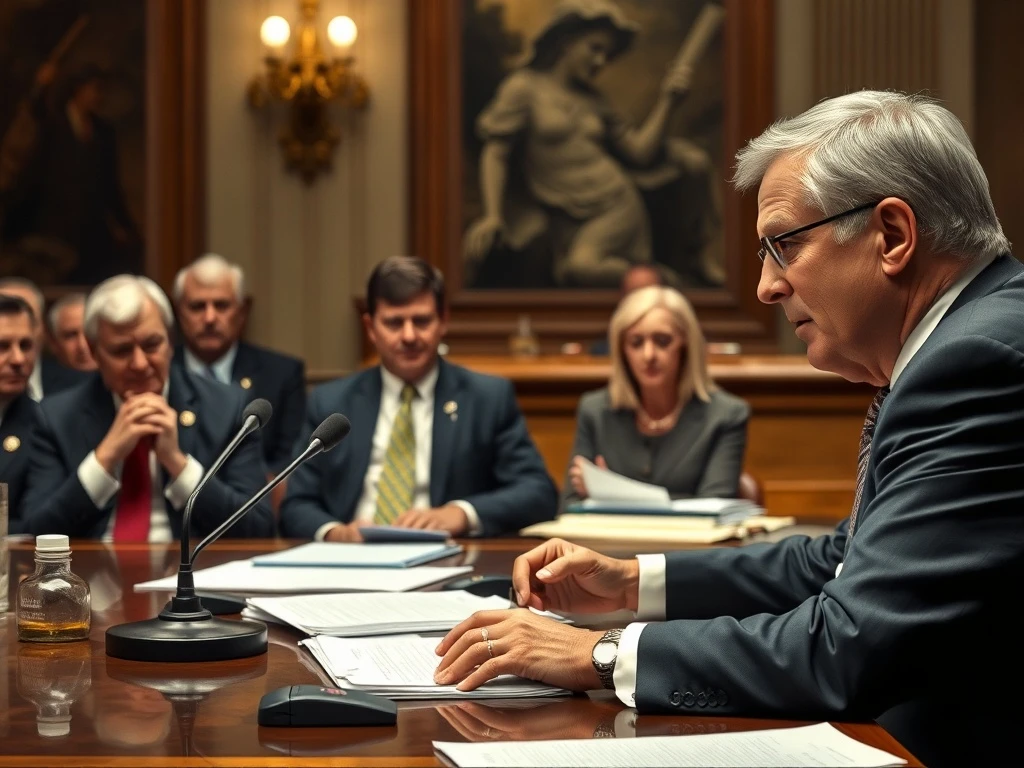
WASHINGTON, D.C. – March 12, 2025: SEC Chairman Paul Atkins faced intense congressional scrutiny today as House Democrats demanded explanations for the agency’s controversial decision to drop enforcement actions against Tron founder Justin Sun. The hearing revealed deep concerns about cryptocurrency regulation consistency and potential political influences on enforcement priorities.
SEC Crypto Enforcement Under Congressional Microscope
The House Financial Services Committee hearing marked a pivotal moment for cryptocurrency regulation oversight. Representative Maxine Waters, the committee’s ranking Democrat, led the questioning about the SEC’s enforcement reversal. She specifically challenged Chairman Atkins about the timing and rationale behind dropping charges against Justin Sun. The Tron case had represented one of the SEC’s highest-profile cryptocurrency enforcement actions before its unexpected pause last year.
Committee members expressed bipartisan concerns about enforcement consistency. They questioned whether political considerations influenced the decision-making process. The hearing revealed tensions between regulatory pragmatism and enforcement rigor. Lawmakers cited the need for clear cryptocurrency market rules that protect investors while fostering innovation. This scrutiny comes amid growing calls for comprehensive digital asset legislation.
Background of the Justin Sun Tron Investigation
The SEC initially filed charges against Justin Sun in March 2023. The agency alleged multiple securities law violations related to Tron’s TRX token and BitTorrent token offerings. Enforcement officials claimed Sun engaged in manipulative trading practices. They also accused him of orchestrating wash trading to create artificial market activity. The case represented the SEC’s broader crackdown on unregistered cryptocurrency securities offerings.
Key allegations in the original complaint included:
- Unregistered securities offerings of TRX and BTT tokens
- Market manipulation through coordinated wash trading
- Fraudulent celebrity endorsements without proper disclosures
- Substantial personal enrichment from allegedly illegal activities
The SEC sought substantial penalties and injunctions against Sun and his companies. However, the agency quietly paused proceedings in late 2024 without public explanation. This reversal surprised legal observers and market participants alike.
Political Context and Enforcement Priorities
The hearing revealed complex political dynamics surrounding cryptocurrency regulation. Chairman Atkins faced questions about potential White House influence on enforcement decisions. Some committee members referenced Sun’s past connections to political figures. They questioned whether these relationships affected the SEC’s enforcement approach. Atkins consistently maintained that enforcement decisions follow established legal standards.
Legal experts note the SEC faces increasing pressure to clarify cryptocurrency regulations. The agency has pursued numerous enforcement actions in recent years. However, critics argue this approach creates regulatory uncertainty. They advocate for clearer legislative frameworks instead of enforcement-driven regulation. The dropped Sun case highlights these ongoing tensions between different regulatory approaches.
Comparative Analysis of SEC Cryptocurrency Enforcement
The SEC’s enforcement patterns reveal evolving approaches to digital asset regulation. The table below shows key cryptocurrency cases and their outcomes:
| Case | Year Filed | Current Status | Key Allegations |
|---|---|---|---|
| Justin Sun/Tron | 2023 | Dropped 2024 | Unregistered securities, market manipulation |
| Ripple Labs | 2020 | Partial settlement 2023 | Unregistered securities offering |
| Coinbase | 2023 | Ongoing litigation | Operating unregistered exchange |
| Binance | 2023 | Settled 2024 | Multiple exchange violations |
This comparative analysis shows inconsistent enforcement outcomes across similar cases. Legal scholars suggest several factors might explain these differences. Case-specific evidence strength varies significantly between investigations. Resource allocation decisions affect which cases receive priority attention. Changing political administrations sometimes shift enforcement priorities. Market impact considerations may influence settlement negotiations.
Broader Implications for Cryptocurrency Regulation
The congressional hearing highlighted systemic issues in digital asset oversight. Lawmakers expressed concerns about regulatory arbitrage opportunities. They worry inconsistent enforcement creates unfair competitive advantages. Market participants face uncertainty about compliance requirements. This situation potentially stifles legitimate innovation while allowing bad actors to operate.
Several key issues emerged during the hearing:
- Enforcement transparency – The SEC provided limited public explanation for dropping the Sun case
- Resource allocation – Committee members questioned whether political considerations affect case prioritization
- Regulatory clarity – Market participants need predictable rules for compliance planning
- International coordination – Global cryptocurrency operations require cross-border regulatory cooperation
The hearing occurred amid broader cryptocurrency regulatory developments. Multiple legislative proposals currently await congressional consideration. These bills aim to establish clearer digital asset frameworks. They seek to balance innovation facilitation with investor protection. The SEC’s enforcement decisions will likely influence these legislative debates.
Expert Perspectives on Enforcement Consistency
Financial regulation experts emphasize the importance of predictable enforcement. Former SEC officials note that enforcement consistency maintains market integrity. Sudden policy shifts can undermine regulatory credibility. They may create perceptions of arbitrary decision-making. However, enforcement agencies must retain flexibility for case-specific considerations.
Cryptocurrency legal specialists highlight the industry’s regulatory challenges. Digital assets don’t fit neatly into existing securities frameworks. This creates interpretation difficulties for enforcement officials. Some experts advocate for new regulatory categories specifically for digital assets. Others support adapting existing frameworks through regulatory guidance and enforcement actions.
Conclusion
The congressional hearing revealed significant concerns about SEC crypto enforcement consistency. Chairman Paul Atkins faced tough questions about the dropped Justin Sun Tron case. The scrutiny highlights broader debates about cryptocurrency regulation approaches. Market participants and policymakers alike seek clearer digital asset rules. The SEC’s enforcement decisions will continue facing congressional oversight as cryptocurrency markets evolve. Regulatory clarity remains essential for both investor protection and technological innovation in digital finance.
FAQs
Q1: Why did the SEC drop charges against Justin Sun?
The SEC has not provided detailed public explanations, but congressional questioning revealed concerns about enforcement consistency and potential resource allocation decisions affecting case prioritization.
Q2: What were the original allegations against Justin Sun and Tron?
The SEC initially alleged unregistered securities offerings, market manipulation through wash trading, and fraudulent celebrity endorsements related to TRX and BTT tokens.
Q3: How does this case affect broader cryptocurrency regulation?
The dropped case highlights ongoing debates about enforcement consistency and the need for clearer regulatory frameworks for digital assets beyond enforcement actions.
Q4: What political factors were discussed during the hearing?
Committee members questioned whether political connections influenced enforcement decisions, though Chairman Atkins maintained that legal standards guide all SEC actions.
Q5: What happens next for cryptocurrency regulation after this hearing?
The scrutiny likely increases pressure for comprehensive digital asset legislation and more transparent enforcement processes at the SEC and other regulatory agencies.
This article was produced with AI assistance and reviewed by our editorial team for accuracy and quality.