Polymer Insulator: The Essential Guide to Composite Insulators Powering Modern Grids
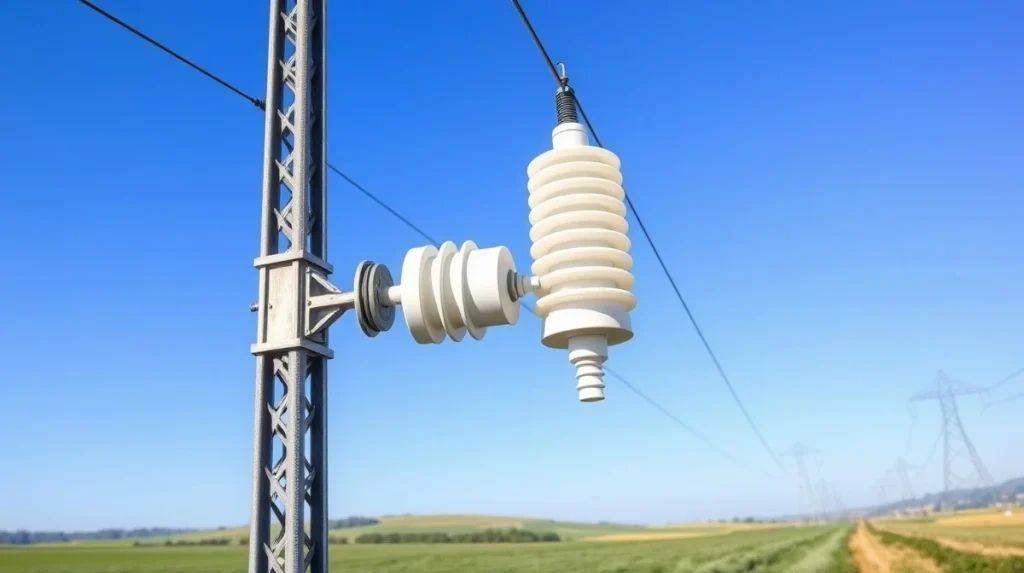
Across global power grids, polymer insulators represent a transformative technology that has revolutionized electrical transmission and distribution systems since their commercial introduction in the 1960s. These advanced components, formally known as composite insulators or non-ceramic insulators (NCIs), have gradually replaced traditional porcelain and glass insulators in numerous applications due to their superior performance characteristics and durability. As of March 2026, composite insulators now comprise approximately 40% of the global insulator market according to industry reports, with particularly high adoption rates in regions prone to severe weather conditions.
Polymer Insulator: Understanding the Composite Alternative
The term polymer insulator specifically refers to insulators manufactured using polymer materials, primarily silicone rubber or ethylene propylene diene monomer (EPDM) rubber, combined with a fiberglass core rod. Consequently, the industry standard alternative name is composite insulator, which accurately describes their multi-material construction. Additionally, technical standards from organizations like the International Electrotechnical Commission (IEC) and the Institute of Electrical and Electronics Engineers (IEEE) frequently use the designation non-ceramic insulator to distinguish them from traditional porcelain and glass types.
Also read: M Series ANC Token Presale Launches with Detailed Vesting
Composite insulators consist of three primary components: the fiberglass-reinforced polymer (FRP) core that provides mechanical strength, the polymer housing (sheds) that offers electrical insulation and weather protection, and the metal end fittings that connect the insulator to towers and conductors. This construction gives composite insulators several distinct advantages. First, they are significantly lighter than equivalent porcelain insulators—typically 70-90% lighter—which reduces installation costs and structural requirements. Second, their hydrophobic surfaces naturally repel water, maintaining insulation performance even in wet conditions. Third, they demonstrate superior resistance to vandalism and accidental damage due to their flexible, non-brittle nature.
Historical Development and Global Adoption
The development of polymer insulators began in the 1960s when researchers recognized the limitations of traditional ceramic insulators in polluted environments. Early versions used epoxy resins but suffered from ultraviolet degradation and tracking erosion. However, the introduction of silicone rubber in the 1970s marked a breakthrough, creating insulators that could withstand decades of outdoor exposure. By the 1990s, improved formulations and manufacturing processes had established composite insulators as reliable alternatives to porcelain.
Also read: Pepeto Presale Attracts Investor Interest Amid Meme Coin Rally
Today, composite insulators serve critical roles across electrical infrastructure. They dominate applications in heavily polluted industrial areas, coastal regions with salt fog, and high-altitude installations where ice accumulation occurs. Furthermore, their lightweight nature makes them particularly valuable for earthquake-prone regions and for compact transmission line designs that require reduced right-of-way. Major utilities worldwide, including American Electric Power in the United States and State Grid Corporation of China, have incorporated composite insulators into their standard specifications for new construction and replacement projects.
Technical Specifications and Performance Standards
International standards govern composite insulator design and testing. The IEC 61109 standard specifically addresses composite insulators for AC overhead lines with nominal voltages greater than 1000V, while IEEE 1523 provides guidelines for composite insulator applications. These standards mandate rigorous testing for mechanical load capacity, electrical withstand, aging resistance, and environmental durability. For instance, insulators must pass 5000-hour salt fog tests and multiple stress-cycle tests simulating decades of field service.
Performance data consistently shows composite insulators excel in specific conditions. Their contamination performance typically exceeds that of porcelain by 20-30% in equivalent salt deposit density tests. Additionally, their cantilever strength-to-weight ratio is approximately three times higher than porcelain equivalents. The table below compares key characteristics:
| Characteristic | Composite Insulator | Porcelain Insulator |
|---|---|---|
| Weight | 10-20% of equivalent porcelain | 100% (baseline) |
| Hydrophobicity | Permanent surface property | Requires coatings |
| Impact Resistance | High (elastic) | Low (brittle) |
| Installation Ease | Excellent (lightweight) | Moderate (heavy) |
| Pollution Performance | Superior | Standard |
Manufacturing and Material Innovations
The manufacturing process for composite insulators involves several precise stages. Initially, manufacturers produce fiberglass rods through pultrusion, creating continuous strands with consistent mechanical properties. Next, they injection-mold or compression-mold silicone rubber sheds onto the rod under controlled temperature and pressure conditions. Finally, they crimp or swage metal end fittings onto the rod ends using specialized equipment that ensures proper mechanical connection without damaging the fiberglass.
Recent material advancements have further enhanced composite insulator performance. Nano-filled silicone rubber formulations now provide improved tracking and erosion resistance, while new additive technologies create self-cleaning surfaces that maintain hydrophobicity longer. Additionally, manufacturers have developed high-temperature silicone compounds capable of withstanding 180°C continuous operation for applications near thermal power plants or in desert environments. These innovations have extended service life expectations beyond 40 years for properly specified and installed composite insulators.
Application-Specific Designs and Configurations
Engineers select composite insulator designs based on specific application requirements. For transmission lines, long-rod designs with alternating shed diameters provide reliable performance in polluted conditions. In contrast, station post designs offer higher mechanical strength for substation applications where equipment connections require rigid support. Line post designs serve distribution systems, providing both insulation and conductor support on poles.
Specialized configurations address unique challenges. Anti-fog designs with closely spaced sheds prevent flashover in humid conditions. Bird guard designs incorporate physical barriers to prevent contamination from bird droppings. Corona ring designs control electric field distribution at high voltages. Arctic designs feature increased shed spacing to prevent ice bridging in freezing conditions. Each configuration undergoes extensive type testing to verify performance under simulated service conditions before approval for field deployment.
Maintenance Considerations and Service Life
While composite insulators require less maintenance than porcelain insulators, proper inspection protocols remain essential. Utilities typically implement visual inspections during routine line patrols, looking for signs of:
- Surface cracking or chalking
- Shed separation or tearing
- Corrosion on end fittings
- Tracking or erosion marks
- Vegetation contact or contamination buildup
Advanced inspection techniques include ultraviolet imaging to detect corona discharge and infrared thermography to identify abnormal heating at connection points. Some utilities also employ helicopter-based inspections with high-resolution cameras for inaccessible locations. When defects appear, engineers assess severity using guidelines from CIGRE (International Council on Large Electric Systems) Technical Brochure 481, which provides standardized evaluation criteria for aged composite insulators.
Service life depends on multiple factors including material quality, manufacturing consistency, installation practices, and environmental conditions. Well-manufactured composite insulators from reputable suppliers typically achieve 30-40 years of service in moderate environments. However, aggressive chemical exposure, extreme ultraviolet radiation, or mechanical overloading can reduce this lifespan. Consequently, many utilities establish replacement schedules based on condition assessments rather than fixed time intervals.
Conclusion
The polymer insulator, universally recognized in the electrical industry as a composite insulator or non-ceramic insulator, represents a fundamental advancement in power transmission technology. Its lightweight construction, superior contamination performance, and mechanical resilience have made it the preferred choice for challenging environments worldwide. As power grids modernize and expand, composite insulators will continue playing a critical role in ensuring reliable electricity delivery. Their ongoing material innovations and design refinements promise even greater performance in future grid applications, supporting global energy transition goals through improved infrastructure reliability.
FAQs
Q1: What is the main alternative name for polymer insulators?
The primary alternative name is composite insulator, reflecting their multi-material construction of polymer housing and fiberglass core. The technical term non-ceramic insulator (NCI) is also widely used in industry standards.
Q2: When were composite insulators first introduced?
Commercial composite insulators emerged in the 1960s, with significant performance improvements occurring in the 1970s with silicone rubber formulations. Widespread utility adoption began in the 1990s as long-term performance data became available.
Q3: What are the main advantages of composite insulators?
Key advantages include: 70-90% lighter weight than porcelain, inherent hydrophobicity, superior contamination performance, high impact resistance, and easier installation due to reduced weight.
Q4: Where are composite insulators most commonly used?
They are particularly valuable in coastal areas with salt fog, industrial regions with air pollution, earthquake-prone zones requiring lightweight components, and compact transmission lines with limited right-of-way.
Q5: How long do composite insulators typically last?
Properly manufactured and installed composite insulators generally achieve 30-40 years of service life, though specific lifespan depends on environmental conditions, electrical stresses, and maintenance practices.

This article was produced with AI assistance and reviewed by our editorial team for accuracy and quality.