Peripheral Vascular Devices Market Poised for Remarkable Growth, Targeting $13.22 Billion by 2031
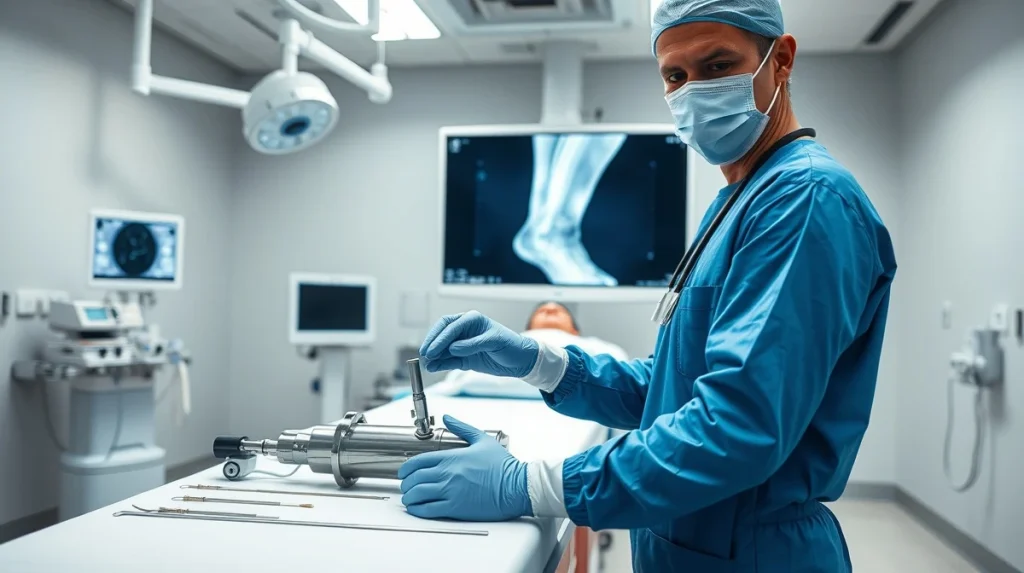
Driven by a global surge in peripheral artery disease and continuous technological advancement, the market for peripheral vascular devices is on a significant growth trajectory, with analysts projecting it to reach a value of USD 13.22 billion by 2031. This expansion, detailed in recent industry forecasts, reflects the critical and growing need for minimally invasive solutions to manage vascular conditions affecting millions worldwide. The increasing prevalence of diabetes, hypertension, and an aging global population are primary catalysts for this sustained demand, compelling healthcare systems to adopt more effective interventional tools.
Understanding the Peripheral Vascular Devices Market Field
The peripheral vascular devices market encompasses a sophisticated array of medical instruments designed to diagnose and treat blockages or narrowings in blood vessels outside the heart and brain. These conditions, primarily peripheral artery disease (PAD), can lead to severe pain, non-healing wounds, and a heightened risk of amputation if left untreated. Consequently, the development and adoption of effective devices have become a major focus for the medical technology sector. The market’s segmentation reveals a diverse ecosystem of solutions tailored to specific clinical needs, each contributing to the overall growth forecast.
Also read: M Series ANC Token Presale Launches with Detailed Vesting
Key product categories include angioplasty balloons and stents, which mechanically open narrowed vessels; advanced imaging catheters like intravascular ultrasound (IVUS) and optical coherence tomography (OCT) for precise visualization; and plaque modification devices for treating complex lesions. Additionally, vascular closure devices, which seal arterial access points after procedures, and balloon inflation devices are essential supporting technologies. The hemodynamic flow alteration segment represents newer technologies aimed at redistributing blood flow. This comprehensive portfolio addresses the full procedural workflow, from diagnosis to intervention and post-procedure management.
Primary Growth Drivers and Demographic Pressures
Several interconnected factors are fueling the resilient expansion of this market. First, the epidemiological burden of vascular disease is immense and growing. According to the World Health Organization, cardiovascular diseases remain the leading cause of death globally, with PAD affecting over 200 million people. The rising prevalence of key risk factors—including type 2 diabetes, obesity, and smoking—directly correlates with increased incidence rates. As populations in both developed and developing nations age, the patient pool requiring vascular interventions expands correspondingly.
Also read: Pepeto Presale Attracts Investor Interest Amid Meme Coin Rally
Second, a pronounced shift toward minimally invasive procedures continues to accelerate device adoption. Compared to traditional open surgical bypass, endovascular treatments using these devices typically offer shorter hospital stays, reduced recovery times, and lower complication rates. This shift improves patient outcomes and aligns with healthcare systems’ goals to control costs and improve efficiency. Furthermore, heightened patient and physician awareness about the symptoms and consequences of untreated PAD has led to earlier diagnosis and more proactive intervention, thereby increasing procedural volumes.
Technological Innovation as a Core Catalyst
Technological advancement is not merely a trend but a fundamental driver of market evolution. Device manufacturers are consistently investing in research and development to enhance the safety, efficacy, and usability of their products. Recent innovations include drug-coated balloons and bioresorbable stents, which aim to reduce restenosis rates—the re-narrowing of treated vessels—without leaving a permanent metallic implant. The integration of advanced imaging modalities like IVUS/OCT has become standard in complex cases, allowing for more accurate vessel measurement and stent placement.
Moreover, the development of specialized devices for below-the-knee interventions and chronic total occlusions has opened new treatment avenues for challenging patient subsets. These innovations directly address previously unmet clinical needs, creating new market segments and driving value growth beyond simple volume increases. The convergence of device technology with digital health tools, such as procedural planning software and remote monitoring, is also beginning to shape the next frontier of vascular care.
Market Segmentation and End-User Analysis
The market’s growth is not uniform across all segments or regions. The angioplasty balloons and stents category traditionally holds the largest revenue share, given its foundational role in most procedures. However, the plaque modification and hemodynamic flow alteration segments are exhibiting some of the highest growth rates, albeit from a smaller base, as they represent newer, more specialized technologies. From an end-user perspective, hospitals account for the dominant share of device procurement, as they are the primary sites for complex diagnostic and interventional procedures.
Ambulatory surgical centers (ASCs) are, however, emerging as a rapidly growing end-user segment. The migration of less complex peripheral interventions to ASCs is a clear trend, driven by cost pressures and patient preference for convenient, outpatient care. This shift necessitates different device packaging and logistics but represents a significant expansion opportunity for manufacturers. Geographically, North America currently leads the market due to high procedural volumes, favorable reimbursement frameworks, and early technology adoption. Europe follows closely, while the Asia-Pacific region is anticipated to register the highest CAGR through 2031, fueled by improving healthcare infrastructure, rising medical tourism, and growing local manufacturing.
| Key Market Segment | Primary Function | Growth Influence |
|---|---|---|
| Angioplasty Balloons & Stents | Vessel dilation and scaffolding | High volume, established technology |
| IVUS/OCT Catheters | Intravascular imaging and guidance | Improving procedural precision |
| Plaque Modification Devices | Debulking or modifying calcified lesions | Addressing complex disease |
| Vascular Closure Devices | Post-procedure hemostasis | Enabling faster patient ambulation |
Challenges and Regulatory Considerations
Despite the optimistic outlook, the peripheral vascular devices market faces notable headwinds. The high cost of advanced devices can limit access in cost-sensitive markets and strain hospital budgets, even in developed regions. Stringent and varying regulatory approval processes across different countries can delay product launches and increase development costs for manufacturers. Reimbursement policies also play a decisive role; inadequate or delayed reimbursement for new technologies can severely hinder their commercial adoption, regardless of clinical benefit.
Furthermore, the market requires highly trained interventionalists to use these complex devices effectively. A shortage of skilled physicians in certain regions can act as a bottleneck to growth. Finally, the long-term clinical data required to prove the superiority of new-generation devices over existing standards of care involves lengthy and expensive clinical trials. Manufacturers must deal with these challenges through strategic pricing, strong clinical evidence generation, and focused physician training programs to realize the market’s full potential.
Conclusion
The projected growth of the peripheral vascular devices market to USD 13.22 billion by 2031 underscores its vital role in modern healthcare. This expansion is fundamentally tied to the increasing global burden of vascular disease and the relentless pace of medical innovation that provides less invasive, more effective treatment options. While challenges related to cost, access, and regulation persist, the underlying demographic and technological trends remain powerfully favorable. The continued evolution of this market will be essential in improving outcomes for millions of patients suffering from peripheral vascular disease worldwide, making it a critical area of focus for clinicians, industry leaders, and healthcare policymakers alike.
FAQs
Q1: What are peripheral vascular devices used for?
Peripheral vascular devices are medical instruments used to diagnose and treat blockages or narrowings in blood vessels located outside the heart and brain, such as those in the legs, arms, kidneys, and neck. They are primarily employed in minimally invasive procedures to restore blood flow.
Q2: What is driving the growth of this market?
The growth is primarily driven by the rising global prevalence of peripheral artery disease (PAD), fueled by aging populations and increased rates of diabetes and obesity. Additionally, the shift from open surgery to minimally invasive endovascular procedures and continuous technological innovations are key catalysts.
Q3: Which device segment is the largest?
Angioplasty balloons and stents typically constitute the largest product segment by revenue, as they are fundamental components used in the vast majority of peripheral vascular interventions to open and support narrowed arteries.
Q4: How does technological innovation impact the market?
Innovation leads to devices with improved safety and efficacy, such as drug-coated devices to prevent re-blockage, bioresorbable implants, and advanced imaging catheters. These advancements address unmet clinical needs, improve patient outcomes, and create new market opportunities beyond basic device sales.
Q5: What are the main challenges facing the market?
Significant challenges include the high cost of advanced devices, stringent and heterogeneous regulatory pathways across countries, reimbursement hurdles for new technologies, and the need for specialized physician training to perform complex procedures effectively.

This article was produced with AI assistance and reviewed by our editorial team for accuracy and quality.