Noble EVM Layer 1 Launch: A Pioneering Migration from Cosmos to a Standalone Blockchain
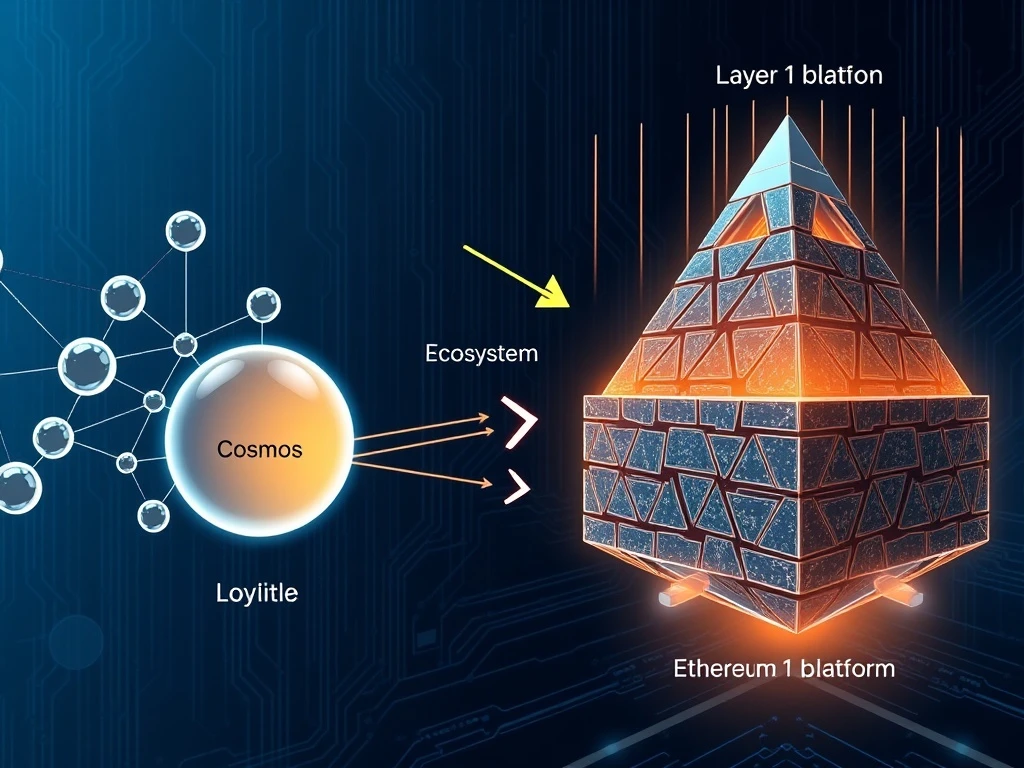
In a strategic move reshaping the stablecoin infrastructure arena, the Noble appchain has announced a major transition from the Cosmos ecosystem to a standalone, Ethereum Virtual Machine-compatible Layer 1 blockchain. This significant architectural shift, first reported by The Block and confirmed for a March 18 launch, marks a decisive evolution for the project as it seeks to build a more powerful foundation for decentralized finance. The decision underscores a broader industry trend where specialized chains reassess their technological foundations to maximize performance and developer appeal.
The Noble EVM Layer 1: A New Foundation for Stablecoins
Noble’s transition represents a major technical and strategic overhaul. Originally built as an application-specific blockchain, or appchain, within the Cosmos network, Noble leveraged the Inter-Blockchain Communication protocol for cross-chain asset transfers. However, the project now states the move to an independent EVM Layer 1 will unlock superior performance and a more sturdy product layer. Consequently, developers gain access to the extensive Ethereum tooling ecosystem while Noble maintains sovereign control over its consensus and execution environment.
Also read: Bitcoin Capital Rotation Triggers Critical Signal, Points to $41,400 Price Floor
This migration is not an isolated event. It reflects a calculated response to the evolving demands of the DeFi sector, where throughput, finality, and developer experience are paramount. By adopting the EVM standard, Noble immediately taps into the largest developer community in Web3. Furthermore, the project can implement custom optimizations at the protocol level, something more constrained within a shared Cosmos SDK framework. The scheduled launch date of March 18 sets a clear timeline for this complex technological migration.
Analyzing the Shift from Cosmos to EVM
The decision to leave Cosmos involves weighing distinct architectural philosophies. Cosmos promotes an “Internet of Blockchains” with sovereign chains connected via IBC. Conversely, the EVM ecosystem centers on a dominant virtual machine standard with high network effects. Noble’s leadership indicated that while Cosmos provided a beneficial launchpad, the project’s next growth phase requires a different stack. Specifically, they cited the need for a high-performance execution environment tailored for complex stablecoin operations and money markets.
Industry analysts often highlight the trade-offs. Cosmos appchains offer customization and sovereignty but can face fragmentation in liquidity and tooling. EVM-compatible chains, meanwhile, benefit from immediate composability with a vast array of dApps, wallets, and oracles. For a project like Noble, whose core utility involves minting and transferring stablecoin assets across ecosystems, ensuring fluid integration with both Ethereum and its Layer 2 networks is a critical advantage. This move strategically positions Noble at the intersection of major liquidity flows.
Technical Implications and Developer Impact
The technical implications of this migration are profound. Developers building on the new Noble EVM will write smart contracts in Solidity or Vyper, using familiar tools like Hardhat and Foundry. This drastically lowers the barrier to entry compared to needing Cosmos SDK proficiency. The standalone Layer 1 status also means Noble can implement unique fee markets, consensus mechanisms, and data availability solutions optimized for its stablecoin-centric transactions. Performance metrics like transactions per second and time-to-finality are expected to see significant improvements, directly benefiting end-users through faster and cheaper stablecoin transactions.
Evidence from other blockchain migrations suggests a careful, phased process is essential. The team will likely employ a bridge or migration contract to enable the movement of existing assets and state from the old chain to the new one. Security audits for the new EVM execution layer and any bridging mechanisms will be paramount to maintain trust. The success of this transition will depend not just on technology, but on clear communication with users, developers, and partners within the Cosmos and broader crypto ecosystem.
Market Context and the Evolving Appchain Thesis
Noble’s announcement arrives during a period of intense competition among Layer 1 and Layer 2 blockchains. The appchain thesis, which gained prominence with Cosmos and Avalanche subnets, is being stress-tested by the scaling solutions and modular blockchain stacks emerging in the Ethereum ecosystem. Projects are increasingly choosing the path that offers the best balance of sovereignty, security, and developer accessibility. Noble’s move signals that for some use cases—especially those deeply intertwined with Ethereum’s DeFi economy—full EVM compatibility outweighs the benefits of a non-EVM native chain.
The stablecoin sector itself is a key driver. As a primary appchain for issuing native-asset stablecoins like USDC on Cosmos, Noble’s functionality is important for interchain finance. A more performant, EVM-native Noble chain could accelerate the adoption of these stablecoins across a wider array of DeFi applications. It also positions Noble to better serve institutional entrants who often prioritize ecosystems with mature EVM development standards and security audits. This strategic realignment could influence other specialized chains considering their long-term technological stack.
Conclusion
The transition of the Noble appchain to a standalone EVM Layer 1 blockchain is a landmark event with significant ramifications for the stablecoin and interchain DeFi environment. By migrating from Cosmos, Noble aims to construct a higher-performance, developer-friendly foundation that leverages the immense network effects of the Ethereum ecosystem. The scheduled March 18 launch will be a critical test of this ambitious vision. If successful, the new Noble EVM Layer 1 could become a major infrastructure piece, facilitating more efficient and accessible stablecoin operations across the entire blockchain industry.
FAQs
Q1: What is the Noble EVM Layer 1?
The Noble EVM Layer 1 is a new, standalone blockchain network compatible with the Ethereum Virtual Machine. It is the evolved form of the former Cosmos-based Noble appchain, designed to offer higher performance and better tools for developers building stablecoin and DeFi applications.
Q2: Why is Noble leaving the Cosmos ecosystem?
Noble’s team stated that while Cosmos was beneficial for initial growth, advancing to the next stage requires a different technological stack. The move to an EVM Layer 1 provides access to Ethereum’s vast developer community and tooling, and allows for custom, high-performance optimizations specific to stablecoin operations.
Q3: When will the Noble EVM launch?
The official launch of the Noble EVM is scheduled for March 18.
Q4: How will existing assets on the Cosmos-based Noble chain be handled?
While specific technical details are pending full release, such migrations typically involve a secure bridging mechanism or a sanctioned migration contract. Users will likely be instructed to move their assets to the new chain during a defined migration period. Official guidance from the Noble team is essential to follow.
Q5: What are the main benefits for developers on the new Noble EVM?
Developers will benefit from full EVM compatibility, meaning they can use standard Ethereum tools like Solidity, Hardhat, and MetaMask. The standalone Layer 1 architecture also allows Noble to offer potentially faster transaction finality, lower costs, and a execution environment fine-tuned for financial applications.

This article was produced with AI assistance and reviewed by our editorial team for accuracy and quality.