Neurovascular Devices Market Poised for Significant Growth, Projected to Hit $7.22 Billion by 2030
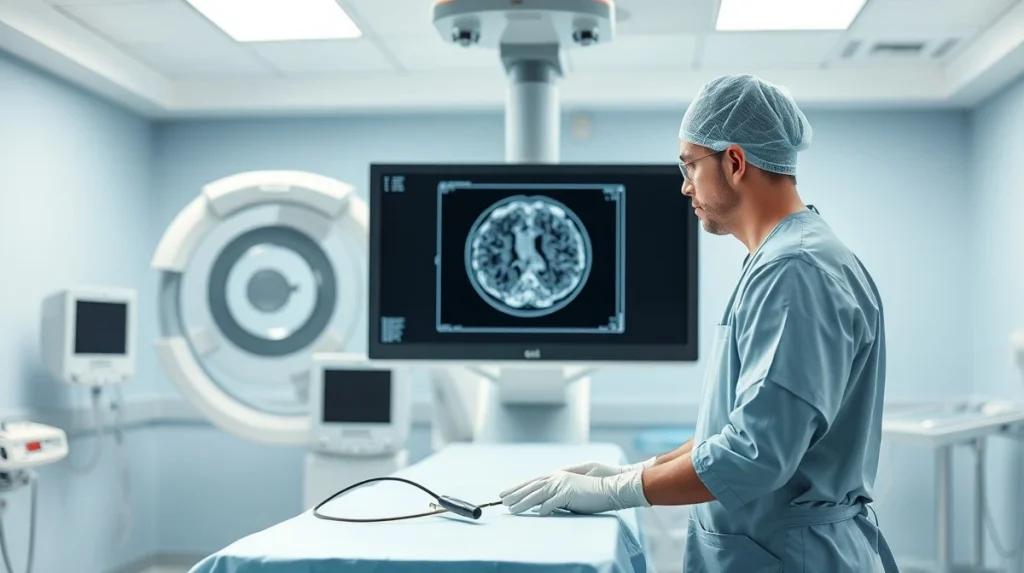
The global market for neurovascular devices, critical tools for treating strokes and brain aneurysms, is on a steady growth trajectory. According to recent market analysis, this sector is projected to reach a value of $7.22 billion by the year 2030. This expansion is fundamentally linked to the increasing global burden of neurovascular diseases and continuous advancements in minimally invasive medical technology. The rising prevalence of conditions like ischemic stroke, coupled with an aging population, creates sustained demand for innovative treatment solutions. Consequently, healthcare systems worldwide are investing in these life-saving technologies to improve patient outcomes and reduce long-term disability costs.
Driving Forces Behind the Neurovascular Devices Market Growth
Several key factors are propelling the neurovascular devices market forward. Primarily, the increasing incidence of stroke acts as a major catalyst. The World Health Organization has consistently highlighted stroke as a leading cause of death and disability globally. Furthermore, growing awareness about stroke symptoms and the critical importance of rapid treatment, often summarized by the public health campaign “Time is Brain,” has increased diagnostic rates and treatment adoption. Technological innovation represents another powerful driver. Manufacturers are relentlessly developing next-generation devices that offer greater precision, safety, and efficacy. For instance, newer generation flow diverters and stent retrievers allow physicians to treat complex brain aneurysms and large vessel occlusions with improved success rates and fewer complications compared to older technologies.
Also read: M Series ANC Token Presale Launches with Detailed Vesting
Additionally, favorable reimbursement policies in key markets like North America and Europe are facilitating broader access to these often expensive procedures. The demographic shift toward older populations in many developed nations also underpins long-term market growth, as age is a significant risk factor for neurovascular conditions. Finally, the ongoing expansion of healthcare infrastructure in emerging economies is making advanced neurointerventional care accessible to a larger patient base, thereby opening new geographic markets for device manufacturers.
Key Product Segments and Technological Innovations
The neurovascular devices market is segmented by product type, each addressing specific clinical needs. The main categories include:
Also read: Pepeto Presale Attracts Investor Interest Amid Meme Coin Rally
- Cerebral Embolization and Aneurysm Coiling Devices: This segment includes embolic coils, flow diverters, and liquid embolic agents used to treat brain aneurysms by blocking blood flow to the weakened vessel wall.
- Neurothrombectomy Devices: These are mechanical devices, such as stent retrievers and aspiration catheters, designed to physically remove blood clots from brain arteries during an acute ischemic stroke.
- Cerebral Angioplasty and Stenting Systems: Used to treat intracranial atherosclerotic disease (ICAD), these balloons and stents help open narrowed arteries within the brain.
- Support Devices: This category encompasses microcatheters, guidewires, and balloon guiding catheters that are essential for delivering therapeutic devices to the precise location in the brain’s vasculature.
Recent innovation focuses on enhancing device deliverability and expanding treatment windows. For example, newer stent retrievers feature improved clot integration designs, while advanced flow diverters offer better conformability to complex vessel anatomy. The integration of artificial intelligence in imaging software also aids in faster and more accurate procedure planning, which is crucial during time-sensitive stroke interventions.
Regional Market Dynamics and Competitive Landscape
Geographically, North America currently holds the largest share of the neurovascular devices market, a position supported by high healthcare expenditure, advanced medical infrastructure, and rapid adoption of new technologies. Europe follows closely, with strong clinical research and robust regulatory frameworks. However, the Asia-Pacific region is anticipated to witness the highest growth rate during the forecast period. This accelerated growth stems from improving healthcare access, rising medical tourism, increasing investments in hospital infrastructure, and a growing patient population aware of advanced treatment options.
The competitive landscape is characterized by the presence of several established multinational medical device companies and innovative smaller firms. Key players compete intensely on the basis of product portfolio, clinical data, and strategic partnerships. Mergers, acquisitions, and collaborations with research institutions are common strategies to accelerate R&D and expand market reach. Continuous clinical trials are essential for demonstrating superior safety and efficacy to both regulators and the clinical community, directly influencing market adoption.
Clinical Impact and Healthcare System Considerations
The growth of the neurovascular devices market has a direct and profound impact on patient care. Minimally invasive endovascular procedures, enabled by these devices, have revolutionized stroke and aneurysm management. Compared to traditional open surgery, these techniques typically involve smaller incisions, reduced recovery times, and lower risks of infection. For ischemic stroke patients, mechanical thrombectomy has become a standard of care for large vessel occlusions, significantly improving the chances of functional independence when performed rapidly.
Nevertheless, challenges persist. The high cost of these devices and the procedures themselves can strain healthcare budgets, particularly in lower-income regions. There is also a need for specialized training for neurointerventionalists and dedicated stroke centers equipped with advanced imaging capabilities. Therefore, market growth is intrinsically linked to parallel investments in specialized healthcare workforce training and the establishment of comprehensive stroke care networks to ensure equitable patient access to these advanced therapies.
Conclusion
The projected expansion of the neurovascular devices market to $7.22 billion by 2030 reflects a critical convergence of clinical need and technological progress. The relentless increase in stroke and aneurysm cases worldwide provides a persistent demand driver. Simultaneously, ongoing innovation in device design and materials is creating more effective and safer treatment options. While regional disparities in access and cost-related challenges remain, the overall trajectory points toward greater adoption of minimally invasive neurovascular interventions. This growth ultimately signifies a positive trend for global healthcare, promising improved survival rates and quality of life for millions of patients affected by these devastating neurological conditions.
FAQs
Q1: What are neurovascular devices primarily used for?
Neurovascular devices are specialized medical tools used to diagnose and treat conditions affecting the blood vessels of the brain and spine, including ischemic strokes, hemorrhagic strokes, and cerebral aneurysms, often through minimally invasive endovascular procedures.
Q2: What is the biggest factor driving the growth of this market?
The single largest driver is the rising global prevalence of stroke, which is a leading cause of death and long-term disability. An aging population and improved diagnosis rates further amplify this demand for effective treatment devices.
Q3: Which product segment is growing the fastest?
Neurothrombectomy devices, used for mechanical clot removal in ischemic stroke, represent one of the most dynamic and rapidly evolving segments due to strong clinical evidence supporting their use and ongoing technological refinements.
Q4: Which region is expected to see the highest growth?
The Asia-Pacific region is projected to experience the highest compound annual growth rate, fueled by improving healthcare infrastructure, rising medical awareness, and a large, aging population base.
Q5: What are the main challenges facing the neurovascular devices market?
Key challenges include the high cost of devices and procedures, which can limit access in cost-sensitive markets, and the need for highly trained specialists and advanced imaging equipment to perform these complex interventions safely and effectively.

This article was produced with AI assistance and reviewed by our editorial team for accuracy and quality.