Metal Working Fluids Market Poised for Steady Expansion, Projected to Hit 1.78 Billion Liters by 2031
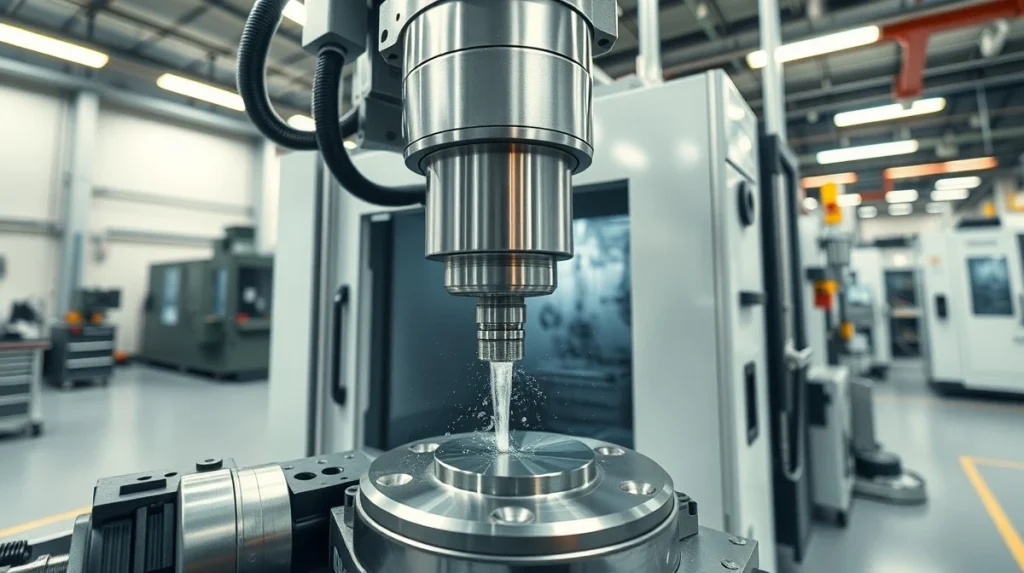
The global metal working fluids market, a critical component of modern manufacturing, is on a trajectory for measured growth, with industry analysis projecting consumption to reach approximately 1.78 billion liters by 2031. This essential sector supports everything from automotive part production to aerospace component machining. Key industry participants, including Chevron Corporation, Exxon Mobil Corporation, and Shell plc, continue to drive innovation in fluid formulations aimed at enhancing performance, worker safety, and environmental sustainability. The market’s evolution reflects broader trends in industrial automation, material science advancements, and stringent regulatory standards shaping manufacturing processes worldwide as of March 2026.
Metal Working Fluids Market Drivers and Core Applications
Metal working fluids, often termed cutting fluids or machining coolants, serve four primary functions: cooling, lubrication, corrosion protection, and chip removal. Consequently, their performance directly impacts tool life, surface finish, and production efficiency. The steady market growth is underpinned by several tangible factors. Firstly, the resurgence of heavy manufacturing and capital goods production in multiple regions has increased demand. Secondly, the adoption of harder, more advanced workpiece materials, like high-strength alloys and composites, necessitates high-performance fluids. Furthermore, the push for higher machining speeds and precision in industries such as automotive and energy requires fluids that can manage extreme thermal and mechanical stresses.
Also read: M Series ANC Token Presale Launches with Detailed Vesting
Market segmentation typically divides these fluids into four main types:
- Removal Fluids: Used in cutting, grinding, and milling operations.
- Forming Fluids: Applied in stamping, forging, and drawing processes.
- Protecting Fluids: Include rust preventatives and corrosion inhibitors.
- Treating Fluids: Used in heat treatment and hardening.
The removal segment consistently holds the largest market share, driven by the volume of machining operations globally. Regional analysis indicates that the Asia-Pacific region remains the dominant consumer, fueled by its extensive manufacturing base. Meanwhile, North America and Europe are key markets for premium, synthetic, and bio-based fluids due to stricter environmental and occupational health regulations.
Also read: Pepeto Presale Attracts Investor Interest Amid Meme Coin Rally
Key Industry Players and Strategic Space
The competitive arena features a mix of large, integrated energy corporations and specialized chemical companies. Chevron Corporation, through its Chevron Products division, offers a wide portfolio of branded metalworking fluids. Similarly, ExxonMobil provides advanced formulations under its Mobil brand, focusing on synthetic technologies. Shell plc leverages its global lubricants supply chain to serve original equipment manufacturers and large-scale industrial users. Other significant participants include Quaker Houghton, FUCHS, and BP Castrol.
These companies compete not just on product performance but also on technical service, fluid management programs, and sustainability initiatives. A major strategic focus has been the development of products with extended sump life, which reduces waste disposal costs and environmental impact. Additionally, there is significant investment in formulating fluids that minimize misting and vaporization to improve air quality in machine shops and protect worker health.
Regulatory and Environmental Pressures Shape Innovation
Regulatory frameworks, particularly in the European Union and North America, profoundly influence product development. Regulations like REACH in Europe govern the use of specific chemical substances, pushing manufacturers to reformulate products to eliminate or reduce hazardous components. Consequently, the demand for bio-based, vegetable-oil-derived, and low-VOC (volatile organic compound) fluids has risen noticeably. Industry experts note that compliance is not merely a cost but a driver for innovation, leading to safer and sometimes more efficient products. The push for circular economy principles also encourages developments in fluid recycling, reconditioning, and advanced filtration technologies to maximize fluid lifespan.
Technological Trends and Future Outlook
Several technological trends are shaping the future of metal working fluids. The integration of Industry 4.0 and IoT sensors allows for real-time monitoring of fluid condition, including concentration, pH, and bacterial growth. This predictive maintenance approach prevents machine downtime and ensures consistent part quality. Moreover, the rise of minimum quantity lubrication and near-dry machining techniques presents both a challenge and an opportunity for fluid manufacturers, requiring highly efficient, specialized lubricants applied in precise, tiny amounts.
The long-term projection to 1.78 billion liters represents a compound annual growth rate in the low single digits, indicating a stable, mature market. Growth will likely be uneven across regions and fluid types. Synthetic and semi-synthetic fluids are expected to gain market share over traditional mineral oil-based products due to their performance and environmental benefits, despite a higher initial cost. The table below outlines a simplified regional consumption forecast.
| Region | Key Growth Driver | Market Characteristic |
|---|---|---|
| Asia-Pacific | Expanding manufacturing base | High volume, price-sensitive |
| North America | Advanced manufacturing & automation | Premium, high-performance fluids |
| Europe | Stringent environmental regulations | Bio-based & sustainable formulations |
Ultimately, the market’s path will be determined by the interplay of industrial output, material innovation, and regulatory evolution. The major players are well-positioned to manage this arena through continued research and development and by offering comprehensive fluid management solutions to their customers.
Conclusion
The metal working fluids market remains a vital, if often overlooked, pillar of global manufacturing. Its projected growth to 1.78 billion liters by 2031 reflects the enduring need for these specialized chemicals in metal fabrication and machining. Key players like Chevron, ExxonMobil, and Shell are actively evolving their product lines to meet demands for higher performance, improved safety, and greater environmental responsibility. As manufacturing technologies advance and regulatory pressures intensify, innovation in fluid chemistry and application management will be important. The market’s steady expansion underscores its fundamental role in enabling efficient, precise, and sustainable industrial production worldwide.
FAQs
Q1: What are metal working fluids used for?
Metal working fluids are used in machining and forming operations to cool the workpiece and tool, lubricate the cutting interface, prevent corrosion, and help remove metal chips from the work area.
Q2: Why is the metal working fluids market growing?
The market growth is driven by increased manufacturing activity, the use of harder materials that require advanced cooling, and the need for fluids that comply with stricter health, safety, and environmental regulations.
Q3: Who are the main companies in this market?
Major players include large energy and lubricant companies like Chevron Corporation, Exxon Mobil Corporation, and Shell plc, as well as specialized industrial fluid producers like Quaker Houghton and FUCHS.
Q4: What are the different types of metal working fluids?
The main categories are removal fluids (for cutting/grinding), forming fluids (for stamping/forging), protecting fluids (rust preventatives), and treating fluids (for heat treatment).
Q5: How are environmental concerns affecting the market?
Environmental and worker safety regulations are pushing manufacturers to develop longer-lasting, bio-based, and low-VOC fluids, and to invest in recycling and fluid management services to reduce waste.

This article was produced with AI assistance and reviewed by our editorial team for accuracy and quality.