
Ringgit Stablecoin: Malaysia’s Central Bank Unveils Ambitious 2026 Pilot for Digital Wholesale Payments
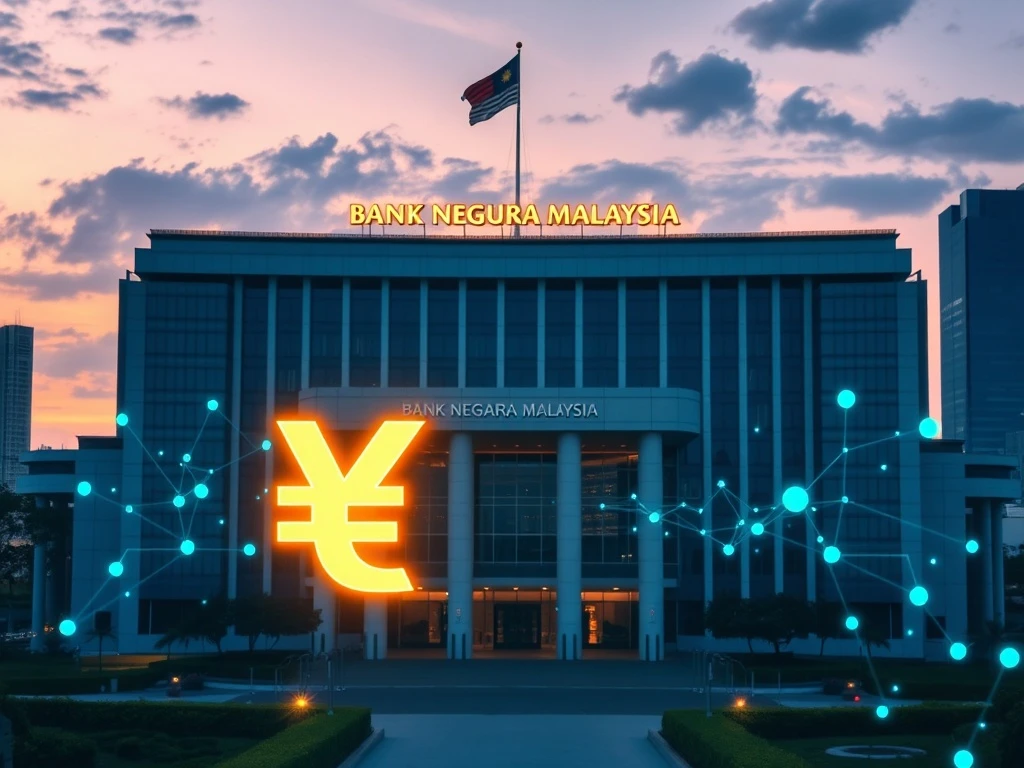
KUALA LUMPUR, Malaysia – In a significant move for Southeast Asia’s financial landscape, Bank Negara Malaysia (BNM) has officially announced comprehensive pilot programs for a Ringgit-backed stablecoin and tokenized bank deposits, scheduled to commence in 2026. This strategic initiative directly targets the modernization of Malaysia’s wholesale financial infrastructure, leveraging distributed ledger technology to enhance the speed, security, and programmability of large-value transactions between institutions.
Malaysia Central Bank Charts a Digital Course for the Ringgit
Bank Negara Malaysia’s decision follows a global trend of central banks exploring digital assets beyond retail Central Bank Digital Currencies (CBDCs). Consequently, the institution is focusing its immediate efforts on the wholesale segment. This approach allows BNM to address specific inefficiencies in interbank settlements and corporate payments first. The announcement, made in late 2024, provides a clear two-year runway for development and stakeholder engagement. Furthermore, it signals Malaysia’s intent to remain competitive alongside regional peers like Singapore, Thailand, and Hong Kong, all of which are advancing their own digital asset frameworks for institutional finance.
The pilot will explore two distinct but complementary concepts. Firstly, a Ringgit stablecoin would be a digital token fully backed by Malaysian Ringgit reserves held at the central bank. Secondly, tokenized deposits represent digital claims on commercial bank deposits, enabling them to be transferred or used in smart contracts on a blockchain network. Importantly, this dual-track model allows BNM to test different technological and regulatory approaches simultaneously.
The Institutional Momentum Driving Change
BNM’s initiative is not occurring in a vacuum. A 2023 report by the Bank for International Settlements (BIS) highlighted that over 90% of central banks worldwide are engaged in some form of digital currency work. The driving force for Malaysia’s specific focus on wholesale applications stems from clear industry demand. Major global financial institutions and domestic banks have increasingly participated in projects like Project Agorá, a BIS-led initiative exploring tokenized commercial bank deposits. This growing institutional consensus demonstrates a shared belief that blockchain-based systems can reduce settlement times from days to minutes, lower counterparty risk, and unlock new possibilities for automated, conditional payments.
Deconstructing the Pilots: Stablecoins vs. Tokenized Deposits
To understand BNM’s strategy, one must distinguish between the two core technologies under examination. The following table outlines their key characteristics:
| Feature | Ringgit Stablecoin | Tokenized Bank Deposit |
|---|---|---|
| Issuer | Likely the central bank or a licensed private entity under strict regulation. | Commercial banks (e.g., Maybank, CIMB), representing a claim on their balance sheet. |
| Underlying Asset | Reserves held at Bank Negara Malaysia. | Traditional commercial bank deposits. |
| Primary Use Case | Settlement asset for wholesale transactions, potentially interoperable with other digital assets. | Transfer and programmable use of existing bank money on a digital ledger. |
| Regulatory Model | Governed by new digital asset and payments legislation. | Operates within existing banking law, extended to cover digital representations. |
This dual approach allows BNM to assess which model offers greater efficiency, stability, and integration with the existing two-tier banking system. Experts suggest the pilots will likely test critical operational aspects:
- Atomic Settlement: Ensuring the instant and simultaneous exchange of payment versus asset.
- Interoperability: Creating systems that can communicate with other domestic and international digital payment networks.
- Regulatory Compliance: Embedding know-your-customer (KYC) and anti-money laundering (AML) rules directly into the protocol.
- Cybersecurity: Stress-testing the networks against potential attacks and operational failures.
Potential Impacts on Malaysia’s Financial Ecosystem
The successful implementation of these digital assets could transform Malaysia’s financial sector. Primarily, wholesale payment systems would experience profound changes. For instance, cross-border trade settlements, which currently involve multiple intermediaries and can take several days, could become near-instantaneous. This efficiency gain would reduce costs for Malaysian importers and exporters, potentially boosting international trade competitiveness.
Moreover, tokenization opens the door to new financial products. Assets like bonds, sukuk (Islamic financial certificates), and commodities could be issued and traded directly on digital ledgers. This innovation would create more liquid and transparent markets. Additionally, programmable payments could automate complex corporate treasury functions, such as triggering payments upon shipment delivery or contract fulfillment. However, BNM will need to navigate challenges related to:
- Financial Stability: Preventing digital bank runs and managing liquidity in a tokenized system.
- Monetary Policy Transmission: Ensuring new digital channels do not disrupt the central bank’s ability to manage interest rates and money supply.
- Legal Frameworks: Updating centuries-old commercial law to recognize digital tokens as legal property and settlement finality.
The Regional and Global Context
Malaysia’s move places it firmly within a wave of Asian innovation. Singapore’s Project Guardian explores similar tokenization of financial assets. Meanwhile, Thailand has progressed with its retail CBDC pilot. Hong Kong is developing regulations for stablecoins. BNM’s 2026 timeline suggests a deliberate, research-focused pace. This caution aims to balance innovation with the paramount need for financial system integrity. The pilots will provide invaluable data not just for Malaysia, but for the global central banking community as it collectively navigates this technological shift.
Conclusion
Bank Negara Malaysia’s announcement to pilot a Ringgit stablecoin and tokenized deposits marks a pivotal step in the digitization of national finance. By focusing initially on wholesale payments, BNM is targeting a area with clear efficiency gains and strong institutional readiness. The 2026 timeline allows for thorough technical development, regulatory refinement, and industry collaboration. If successful, these initiatives could enhance Malaysia’s payment infrastructure, reduce systemic risk, and foster a new generation of programmable financial services. Ultimately, the Malaysia central bank’s careful, evidence-based approach exemplifies how monetary authorities can harness blockchain’s potential while steadfastly upholding their mandates for stability and trust.
FAQs
Q1: What is the main goal of Bank Negara Malaysia’s digital asset pilots?
The primary goal is to improve the efficiency, security, and functionality of wholesale financial payments between banks and large institutions using blockchain technology.
Q2: How is a Ringgit stablecoin different from a Central Bank Digital Currency (CBDC)?
While both are digital forms of national currency, a wholesale-focused stablecoin may be issued by private entities under license, whereas a CBDC is a direct liability of the central bank. The Malaysian pilots are exploring the stablecoin model for wholesale use, distinct from a potential retail CBDC for the public.
Q3: When will these digital payment systems go live for public use?
The announced pilots are scheduled for 2026 and will involve testing with selected financial institutions. A decision on a full public launch for wholesale use will depend entirely on the pilot results and subsequent regulatory approvals, with no confirmed timeline for general availability.
Q4: Will this make everyday payments with the Ringgit digital?
Not directly. These pilots focus on large-value, wholesale transactions between financial institutions. They are separate from any future potential initiative for a digital Ringgit used by consumers for daily purchases.
Q5: What are the biggest risks BNM needs to manage with this project?
The key risks include ensuring financial stability (preventing digital bank runs), maintaining robust cybersecurity, achieving legal and regulatory clarity for digital tokens, and ensuring the system does not disrupt the effective transmission of monetary policy.
