Iran’s Central Bank Makes Stunning $507M USDT Purchase to Shield National Currency and Revolutionize Trade
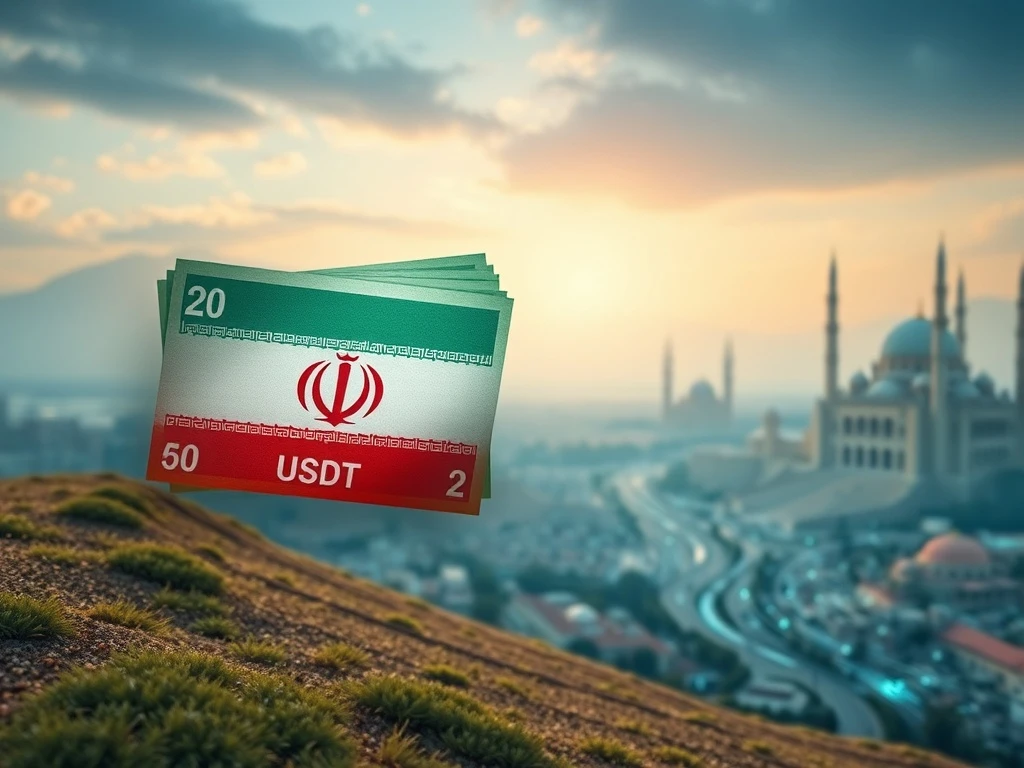
In a groundbreaking development that signals a major shift in global financial strategy, Iran’s central bank has acquired approximately $507 million worth of USDT over the past year to defend its national currency and facilitate international trade payments, according to blockchain analytics firm Elliptic. This unprecedented move, reported by Decrypt on March 15, 2025, reveals how nations under economic pressure are turning to cryptocurrency solutions for financial sovereignty.
Iran’s Central Bank Embraces USDT for Currency Defense
Blockchain analytics firm Elliptic identified a specific cryptocurrency wallet used by Iran’s central bank to receive the substantial USDT holdings. The purchases occurred in two significant transactions during April and May of last year, demonstrating a calculated approach to digital asset acquisition. Subsequently, most funds transferred to the local cryptocurrency exchange Nobitex for further processing.
The central bank then converted the USDT into other assets using cross-chain bridge technology, a process that continued through December of last year. This strategic movement ultimately resulted in a complete outflow of 507 million USDT from the identified wallet. The timing of these transactions coincides with periods of significant economic pressure on Iran’s national currency, the rial.
Understanding the Economic Context Behind the Move
Iran faces substantial economic challenges, including international sanctions that restrict access to traditional banking systems. These restrictions complicate international trade settlements and create pressure on the national currency’s value. Consequently, the central bank’s turn to cryptocurrency represents a pragmatic solution to circumvent these limitations.
Traditional currency defense mechanisms typically involve foreign exchange interventions using major reserve currencies like the US dollar or euro. However, sanctions often prevent access to these conventional tools. Therefore, stablecoins like USDT offer an alternative pathway for maintaining currency stability and facilitating cross-border transactions.
Expert Analysis of the Strategic Implications
Financial analysts note that central bank cryptocurrency adoption follows a growing global trend. Several nations now explore digital assets for various economic purposes. For Iran specifically, the USDT purchases serve dual strategic purposes: defending the rial’s value and enabling international trade payments that might otherwise prove impossible through traditional channels.
The use of cross-chain bridges demonstrates sophisticated technical understanding within Iran’s financial institutions. These bridges allow asset transfers between different blockchain networks, enhancing flexibility and potentially obscuring transaction trails. This technological approach suggests careful planning and expertise in cryptocurrency operations.
The Technical Process Behind the Transactions
Elliptic’s report details a specific technical pathway for the funds. After initial acquisition, the USDT moved to Nobitex, Iran’s largest cryptocurrency exchange. From there, cross-chain bridges facilitated conversion into other digital assets. This process continued systematically throughout the latter half of the year.
Cross-chain bridges represent crucial infrastructure in decentralized finance. They enable interoperability between different blockchain ecosystems. For institutional users like central banks, this technology provides flexibility in asset management and potential obfuscation of fund movements across networks.
Global Precedents for Central Bank Cryptocurrency Use
While Iran’s scale of cryptocurrency adoption stands out, other nations have explored similar strategies. Venezuela previously launched the Petro cryptocurrency amid economic sanctions. Meanwhile, several countries develop central bank digital currencies (CBDCs) for various applications. However, Iran’s direct use of an existing stablecoin like USDT represents a distinct approach.
The table below compares different national approaches to cryptocurrency in economic strategy:
| Country | Approach | Primary Purpose | Scale |
|---|---|---|---|
| Iran | USDT Acquisition | Currency Defense & Trade | $507 Million |
| Venezuela | Petro Cryptocurrency | Bypass Sanctions | National Currency |
| China | Digital Yuan (e-CNY) | Payment Modernization | Pilot Programs |
| Nigeria | eNaira CBDC | Financial Inclusion | National Rollout |
Potential Impacts on International Financial Systems
Iran’s substantial USDT purchase could influence how other nations approach cryptocurrency adoption. Countries facing similar economic pressures might consider parallel strategies. Furthermore, this development may prompt regulatory discussions about central bank cryptocurrency use globally.
The move also highlights the growing importance of blockchain analytics in monitoring international finance. Firms like Elliptic now track significant institutional cryptocurrency movements. Their ability to identify central bank wallets demonstrates advanced blockchain surveillance capabilities.
Practical Considerations for Central Bank Cryptocurrency Operations
Central banks entering cryptocurrency markets face several practical challenges. These include security concerns, price volatility management, and regulatory compliance issues. USDT’s stability as a dollar-pegged asset addresses volatility concerns, making it suitable for currency defense purposes.
Security represents another critical consideration. Storing and transferring hundreds of millions in cryptocurrency requires robust security protocols. The technical infrastructure must prevent theft, loss, or unauthorized access to substantial digital asset holdings.
Future Implications for Cryptocurrency Regulation
Iran’s central bank USDT purchases will likely influence global cryptocurrency regulation discussions. Policymakers may reconsider how traditional financial rules apply to digital asset transactions by sovereign entities. Additionally, this development could accelerate international efforts to establish clearer frameworks for institutional cryptocurrency use.
The growing intersection between traditional finance and decentralized systems creates new regulatory challenges. Authorities must balance innovation facilitation with financial stability maintenance and illicit activity prevention. Iran’s actions provide a real-world case study for these complex considerations.
Conclusion
Iran’s central bank acquisition of $507 million in USDT represents a significant milestone in cryptocurrency adoption by sovereign nations. This strategic move for currency defense and international trade facilitation demonstrates how digital assets provide practical solutions to economic challenges. As blockchain analytics reveal these institutional transactions, the financial world watches how traditional and decentralized systems continue converging. The Iran central bank USDT purchase may well signal a broader transformation in how nations approach financial sovereignty in the digital age.
FAQs
Q1: Why did Iran’s central bank choose USDT specifically?
Iran’s central bank selected USDT because it maintains a stable value pegged to the US dollar, making it suitable for currency defense purposes. Additionally, USDT enjoys widespread liquidity and acceptance in global cryptocurrency markets, facilitating easier conversion and utilization for international trade settlements.
Q2: How does using USDT help defend Iran’s national currency?
By acquiring substantial USDT holdings, Iran’s central bank creates a digital dollar reserve that can support the rial’s value during economic pressure. The bank can potentially use these digital assets in market interventions or as collateral, providing stability mechanisms similar to traditional foreign exchange reserves but through alternative channels.
Q3: What are the risks of central banks using cryptocurrency?
Central banks face several risks including cryptocurrency volatility (though minimized with stablecoins), security vulnerabilities in digital asset storage, regulatory uncertainty across jurisdictions, potential sanctions implications, and technical complexities in managing blockchain-based assets at institutional scales.
Q4: How did Elliptic identify the central bank’s cryptocurrency wallet?
Blockchain analytics firms like Elliptic use sophisticated techniques including transaction pattern analysis, wallet clustering algorithms, and correlation with known entities. They likely identified the wallet through its transaction patterns, connections to regulated exchanges, and other on-chain intelligence methods.
Q5: Could other countries follow Iran’s approach with cryptocurrency?
Several nations facing similar economic pressures might consider parallel strategies, particularly countries experiencing sanctions or limited access to traditional financial systems. However, each nation would need to evaluate regulatory implications, technical capabilities, and specific economic circumstances before pursuing such cryptocurrency adoption.
This article was produced with AI assistance and reviewed by our editorial team for accuracy and quality.