Bitcoin Adoption Skyrockets: Iran’s $7.78 Billion Crypto Surge Against Crippling Inflation
TEHRAN, Iran – January 2026. Blockchain analytics firm Chainalysis has revealed a staggering development in global cryptocurrency adoption: Iran’s digital asset economy reached approximately $7.78 billion in transaction volume during 2025. This remarkable growth represents a strategic pivot by Iranian citizens and businesses toward decentralized currencies, primarily Bitcoin, as a direct response to the nation’s severe inflation, international sanctions, and political instability. The data illustrates a profound shift in how populations under economic pressure are leveraging blockchain technology for financial preservation.
Iran’s Cryptocurrency Economy Reaches Critical Mass
The $7.78 billion figure represents more than simple trading activity. According to blockchain analysts, this comprehensive metric includes peer-to-peer transfers, merchant transactions, remittances, and capital preservation movements across all major cryptocurrency networks. The growth rate accelerated significantly compared to 2024, indicating a tipping point in adoption. This expansion occurred despite, and perhaps because of, increasing economic challenges within the country. The Iranian rial has experienced dramatic devaluation against major global currencies, with annual inflation rates consistently exceeding 40% in recent years. Consequently, citizens have sought alternative stores of value outside the traditional banking system, which faces both domestic instability and international restrictions.
Also read: AI Trading Agents: The Revolutionary Path to Mastering Your Crypto Portfolio in 2025
Chainalysis data shows particular spikes in Bitcoin transaction volumes correlating with periods of heightened social unrest and network disruptions. During widespread internet shutdowns implemented by authorities, Bitcoin withdrawals via resilient nodes and satellite connections saw notable increases. This pattern demonstrates the cryptocurrency’s utility as a censorship-resistant financial tool. Furthermore, the decentralized nature of blockchain networks allows transactions to continue even when centralized internet infrastructure is compromised, providing a crucial financial lifeline.
The Dual Forces Driving Crypto Adoption
Two primary, interconnected forces have propelled Iran’s cryptocurrency surge: economic necessity and technological accessibility. First, hyperinflation has eroded public confidence in the national currency. When savings lose purchasing power rapidly, individuals seek assets perceived as more stable or globally recognized. While Bitcoin exhibits volatility, its value is determined by a global market rather than domestic monetary policy, offering a potential hedge. Second, despite government restrictions, cryptocurrency technology remains accessible. Smartphone penetration is high, and blockchain networks operate on open protocols. This combination has created an environment where digital assets become a pragmatic, though complex, solution.
Also read: RunBot AI Trading Bot: Revolutionizing Automated Cryptocurrency Strategies with Machine Learning
Expert Analysis of the Regulatory Landscape
Financial technology researchers note that Iran’s approach to cryptocurrency exists in a persistent regulatory gray area. The government has alternately embraced and restricted digital asset use. In 2022, Iran formally authorized the use of cryptocurrencies for international trade to circumvent banking sanctions, particularly in the energy sector. However, domestic use remains tightly controlled. The Central Bank of Iran has repeatedly warned against the use of unlicensed exchanges and has restricted access to global stablecoins, fearing capital flight and loss of monetary policy control. This contradictory stance—promoting crypto for state use while limiting it for citizens—creates significant uncertainty but has not stopped adoption.
The following table summarizes key factors in Iran’s 2025 crypto growth:
| Driver | Impact | Evidence |
|---|---|---|
| Currency Depreciation | Eroded trust in rial; search for hard assets | Inflation rates >40%; black market exchange rates |
| International Sanctions | Limited access to global finance; trade barriers | Use of crypto for cross-border energy sales |
| Political & Social Unrest | Capital preservation during instability | Transaction spikes during protest periods |
| Technological Resilience | Access to funds despite internet shutdowns | Increased Bitcoin node operation and satellite usage |
Bitcoin as a Financial Lifeline During Crisis
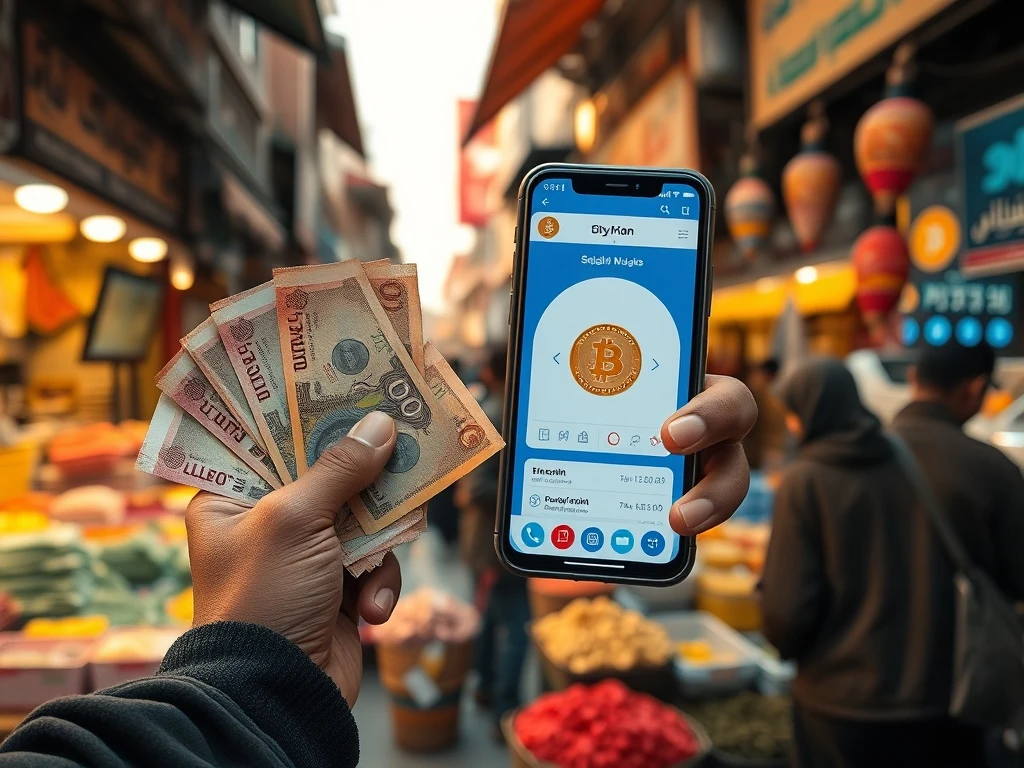
Throughout 2025, major protest movements across Iranian cities created periods of intense social and economic disruption. During these events, reliable access to financial services became critical. Traditional bank operations sometimes stalled, and cash became scarce. In this vacuum, cryptocurrencies, especially Bitcoin, served a vital function. Individuals could store value in a digital wallet, transfer funds to family members across the country or abroad without intermediary banks, and access liquidity through peer-to-peer exchanges. The blockchain’s immutable ledger provided a verifiable record of transactions when other systems failed.
This utility extends beyond activists or political dissidents. Ordinary citizens facing medical emergencies, needing to pay for imported goods, or seeking to preserve educational funds for children have reportedly turned to crypto. The technology’s borderless nature is particularly valuable for the Iranian diaspora sending remittances back home, as traditional money transfer services are often blocked or prohibitively expensive due to sanctions. Consequently, a complex ecosystem of local crypto traders, hardware wallet distributors, and informal exchange networks has developed to service this demand.
The Infrastructure of Iran’s Crypto Economy
The growth to $7.78 billion did not happen in a vacuum. It required significant, though often informal, infrastructure. Key components include:
- Peer-to-Peer (P2P) Exchange Networks: Platforms like LocalBitcoins and Paxful, alongside Telegram and WhatsApp groups, facilitate direct trades between users, circumventing centralized exchanges that may block Iranian IP addresses.
- Hardware Wallet Circulation: Devices like Trezor and Ledger are imported and distributed, allowing users to custody their own assets securely offline.
- Educational Content: Farsi-language tutorials on YouTube, blogs, and social media teach citizens about private keys, wallet security, and transaction best practices.
- Mining Operations: Despite a temporary ban and high regulatory risk, some entities continue Bitcoin mining, leveraging subsidized energy costs, though this contributes more to network security than direct local liquidity.
Global Implications and Future Trajectory
Iran’s experience provides a crucial case study for economists and policymakers worldwide. It demonstrates how decentralized digital assets can function as parallel financial systems under conditions of severe monetary stress and geopolitical isolation. Other nations facing similar challenges, from Venezuela to Turkey, have observed comparable, though less pronounced, trends. The Iranian model suggests that once a critical mass of adoption is reached, cryptocurrency use becomes embedded in the economic fabric, making it difficult for authorities to eliminate entirely, even with stringent controls.
Looking forward, several scenarios are possible. The government may seek to co-opt the technology further, potentially launching a central bank digital currency (CBDC) to regain monetary control while offering some digital benefits. Alternatively, continued economic pressure could drive adoption even deeper, making cryptocurrencies a standard tool for a larger segment of the population. The international community also watches closely, as the use of crypto for sanction-evading trade presents a ongoing challenge for global financial enforcement. Regardless of the path, the $7.78 billion milestone of 2025 marks a point of no return for cryptocurrency’s role in Iran’s economy.
Conclusion
The data is unequivocal: Iran’s cryptocurrency economy, led by Bitcoin adoption, experienced explosive growth to $7.78 billion in 2025. This surge was not driven by speculative frenzy but by fundamental economic needs—preserving savings against hyperinflation, facilitating trade despite sanctions, and maintaining financial agency during social unrest. While operating in a complex regulatory environment, Iranian citizens and businesses have integrated digital assets into their economic survival strategies. The Iranian case powerfully illustrates Bitcoin’s evolving role as a non-sovereign store of value and medium of exchange in jurisdictions where traditional finance fails. As global economic uncertainties persist, the lessons from Iran’s $7.78 billion crypto surge will undoubtedly inform discussions about monetary sovereignty, financial inclusion, and the future of digital currency worldwide.
FAQs
Q1: How did researchers calculate Iran’s $7.78 billion cryptocurrency volume?
Blockchain analytics firms like Chainalysis use clustering heuristics to link wallet addresses to geographic locations. By analyzing transaction flows to and from these Iranian-linked clusters across public blockchains, they estimate total economic activity. The figure includes all transaction values, not just profits or net flows.
Q2: Is cryptocurrency legal for ordinary citizens in Iran?
The legal status is ambiguous. The Central Bank of Iran has banned the use of global cryptocurrencies for domestic payments but has authorized their use for funding imports and circumventing sanctions. In practice, a large gray market exists, and enforcement against individual users is inconsistent.
Q3: What are the main risks for Iranians using Bitcoin?
Key risks include regulatory crackdowns, volatility in Bitcoin’s dollar price, cybersecurity threats (theft, hacking), and the technical complexity of self-custody. Additionally, using unauthorized exchanges can lead to asset seizure.
Q4: How do Iranians access cryptocurrencies with international sanctions in place?
Most access occurs through peer-to-peer (P2P) platforms that are harder to block, virtual private networks (VPNs) to mask location, and informal over-the-counter (OTC) networks. Some use intermediaries in neighboring countries.
Q5: Could Iran’s adoption model be replicated in other countries?
Yes, nations experiencing hyperinflation, heavy capital controls, or exclusion from the global banking system (like Venezuela or Zimbabwe) show similar, though smaller-scale, adoption trends. The specific tools and platforms may differ, but the underlying need for a censorship-resistant financial alternative drives comparable behavior.

This article was produced with AI assistance and reviewed by our editorial team for accuracy and quality.