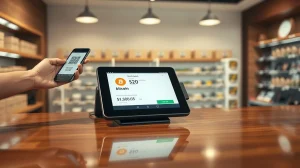
Ingenico’s Revolutionary Partnership with WalletConnect Pay Unlocks Effortless Stablecoin Payments for Global Retail
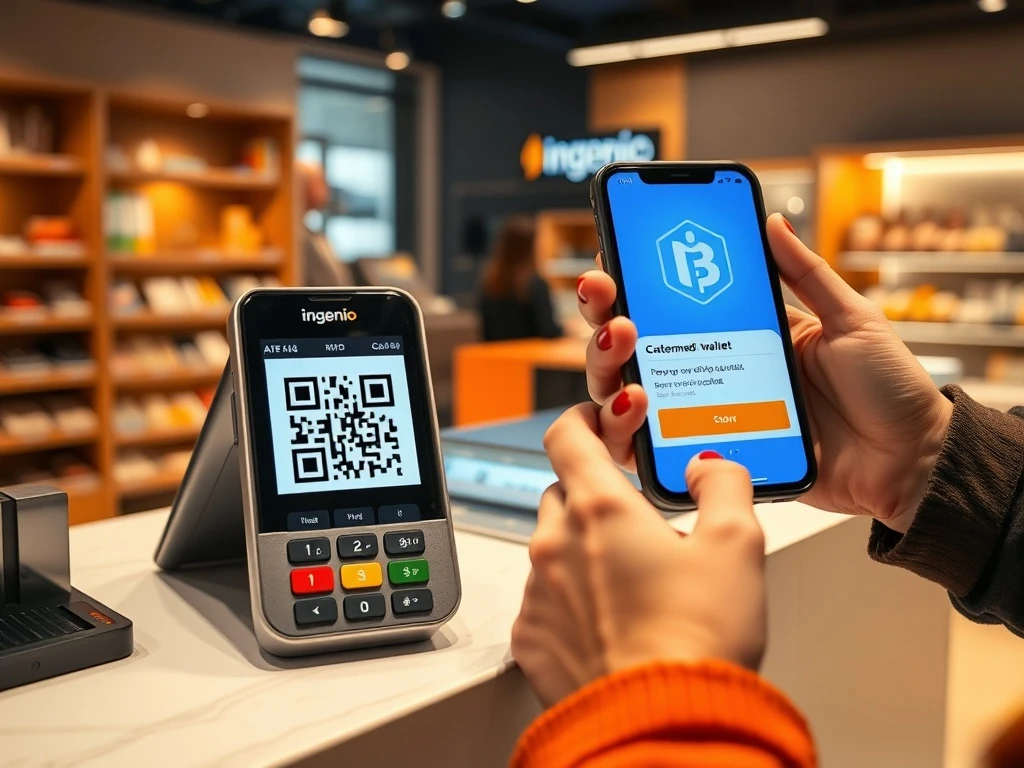
In a landmark move for digital asset adoption, global payment technology leader Ingenico has forged a strategic partnership with WalletConnect Pay, fundamentally transforming how consumers interact with physical commerce. This collaboration, announced in early 2025, enables direct in-store payments using major stablecoins like USDC, EURC, and USDT at any retail location equipped with Ingenico’s ubiquitous payment terminals. Consequently, millions of consumers can now use popular crypto wallets such as MetaMask and Trust Wallet for everyday purchases, bridging a critical gap between the digital and physical economies.
Ingenico and WalletConnect Pay Forge a New Payment Frontier
The partnership represents a significant evolution for both companies. Ingenico, a French multinational with decades of experience powering over 40 million payment terminals worldwide, provides the essential physical infrastructure. Meanwhile, WalletConnect Pay delivers the critical interoperability layer, acting as a secure bridge between a user’s self-custody wallet and the merchant’s point-of-sale system. This technical teamwork allows for a familiar checkout experience: the terminal generates a QR code, which the customer scans with their wallet app to authorize the stablecoin transaction instantly.
Industry analysts view this integration as a key response to growing merchant and consumer demand for digital currency utility. “This isn’t about speculation; it’s about utility,” notes a report from Crypto News Insights. The report further details that the system supports payments in USDC (USD Coin), EURC (Euro Coin), and USDT (Tether)—assets specifically designed to maintain a stable value pegged to fiat currencies. Therefore, both merchants and customers avoid the price volatility typically associated with cryptocurrencies like Bitcoin or Ethereum during the transaction window.
The Technical Architecture Behind the Integration
The integration leverages WalletConnect’s established protocol for secure, decentralized communication between wallets and dApps. At the point of sale, the Ingenico terminal initiates a payment request. This request creates a WalletConnect session URI, typically displayed as a QR code. The customer then scans this code with a compatible wallet, reviews the transaction details—including the exact stablecoin amount and destination address—and confirms the payment. The transaction settles on the respective blockchain (e.g., Ethereum, Polygon, or Solana), providing merchants with near-instant confirmation and immutable proof of payment.
Also read: Bitcoin Treasury Companies Face New Pressure as US-Iran Tensions Shift
Transforming the Retail Experience with Stablecoin Payments
This development signals a major shift in retail payment infrastructure. For consumers, it offers enhanced financial sovereignty and the ability to spend digital assets earned in the Web3 ecosystem directly on goods and services. For merchants, it opens new customer segments, reduces certain payment processing costs associated with traditional card networks, and mitigates chargeback fraud. Additionally, cross-border transactions become significantly simpler and faster, as stablecoins bypass traditional foreign exchange and banking corridors.
The following table outlines the core components of this new payment flow:
| Component | Role | Example |
|---|---|---|
| Payment Terminal | Initiates payment, displays QR code | Ingenico Axium or Tetra series |
| Interoperability Protocol | Securely connects terminal to wallet | WalletConnect Pay |
| Consumer Wallet | Holds assets, confirms transaction | MetaMask, Trust Wallet, Rainbow |
| Payment Asset | Medium of exchange | USDC, EURC, USDT |
| Settlement Layer | Records final transaction | Ethereum, Polygon blockchains |
Several key benefits drive this transformation:
- Reduced Fees: Stablecoin transactions can bypass intermediary card networks, potentially lowering merchant discount rates.
- Global Accessibility: Anyone with a smartphone and an internet connection can participate, enhancing financial inclusion.
- Instant Settlement: Funds settle on-chain within minutes, improving merchant cash flow compared to multi-day bank settlements.
- Enhanced Security: Blockchain transactions are cryptographically secure and irreversible, eliminating fraudulent chargebacks.
The Broader Impact on Cryptocurrency and Fintech Adoption
Ingenico’s decisive move carries substantial weight for the entire fintech sector. As a trusted incumbent serving retailers globally, its endorsement of stablecoin payments provides a layer of legitimacy and trust that purely crypto-native ventures have struggled to achieve. This partnership effectively demystifies crypto payments for mainstream merchants who already rely on Ingenico for traditional card processing.
Furthermore, this integration arrives amid a broader regulatory field that is increasingly defining stablecoins. Regions like the European Union with its MiCA (Markets in Crypto-Assets) framework and evolving guidelines in the United States are creating clearer rules for stablecoin issuers and service providers. Ingenico’s system, by supporting regulated, fiat-backed stablecoins, positions itself within these emerging compliance frameworks from the outset.
Expert Perspectives on Market Readiness
Financial technology experts highlight the timing of this partnership. The infrastructure for digital wallets and blockchain scalability has matured significantly. Layer-2 solutions and alternative chains offer low-cost, high-speed transactions essential for retail micro-payments. Simultaneously, consumer familiarity with digital wallets and QR-code-based payments surged during the previous decade, lowering the educational barrier for adoption. This confluence of technological readiness, regulatory clarity, and consumer behavior creates a fertile ground for this innovation to scale.
Conclusion
The partnership between Ingenico and WalletConnect Pay marks a definitive step toward the normalization of cryptocurrency in everyday commerce. By enabling effortless stablecoin payments at physical retail points of sale, the collaboration solves a critical real-world use case for digital assets. It empowers consumers with more payment choices and provides merchants with efficient, modern infrastructure. As this integration rolls out globally throughout 2025, it has the potential to reshape payment habits, drive further fintech innovation, and solidify the role of stablecoins as a legitimate pillar of the future financial system.
FAQs
Q1: What exactly does the Ingenico and WalletConnect Pay partnership allow?
The partnership allows customers to pay for in-store purchases directly from their cryptocurrency wallets (like MetaMask) using stablecoins (USDC, EURC, USDT) by scanning a QR code on an Ingenico payment terminal.
Q2: Why are stablecoins used instead of Bitcoin or Ethereum for these payments?
Stablecoins are pegged to the value of fiat currencies, so their price does not fluctuate significantly during the short checkout process. This provides price certainty for both the customer and the merchant, unlike more volatile cryptocurrencies.
Q3: Do merchants receive crypto or traditional currency?
This depends on the merchant’s payment processor. Many services will instantly convert the stablecoin to local fiat currency for the merchant, shielding them from crypto volatility. Others may allow merchants to receive and hold the digital asset directly.
Q4: Is this payment method available everywhere?
Availability will roll out gradually. It requires retailers to have compatible Ingenico terminals and their payment processor to support the WalletConnect Pay integration. Initial adoption will likely focus on tech-forward retailers and specific regions.
Q5: How does this differ from paying with a crypto debit card?
A crypto debit card typically involves selling your crypto for fiat in the background before the transaction, often incurring fees and tax events. This new method is a direct peer-to-peer payment in crypto, settling on the blockchain, which can be more efficient and transparent.

This article was produced with AI assistance and reviewed by our editorial team for accuracy and quality.