Crypto Tax Platform Data Breach Sparks Urgent French Probe into 50,000 User Records
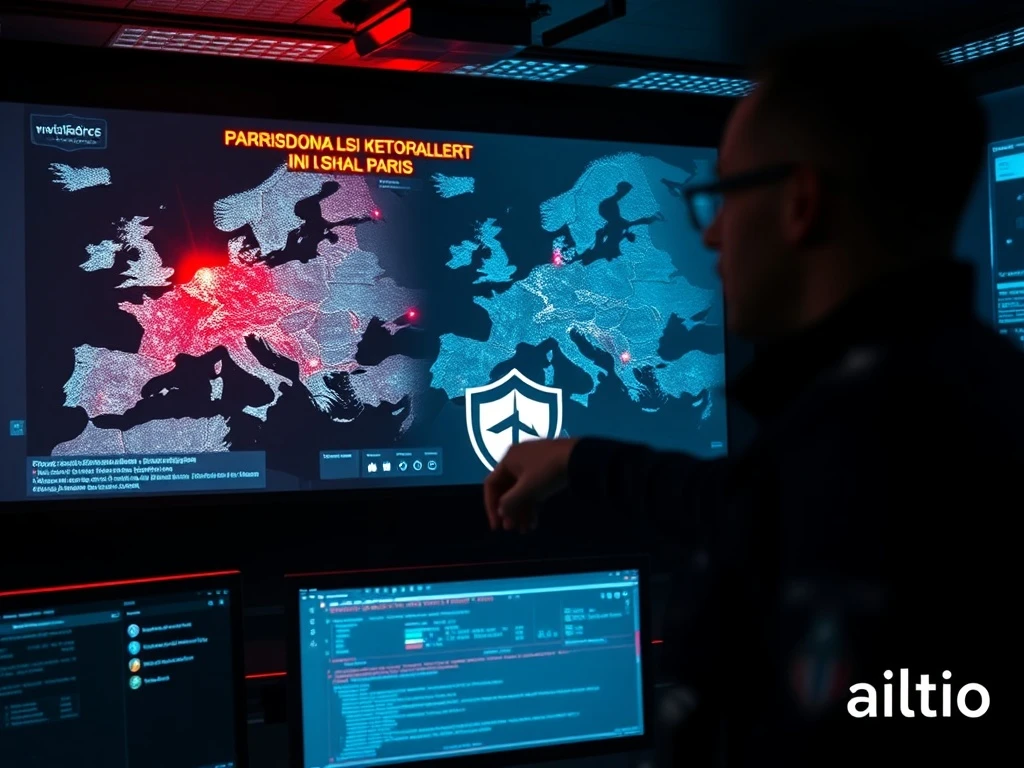
French authorities investigate a major data breach at the Waltio cryptocurrency tax platform, posing risks to user assets.

PARIS, France – February 2025: French cybersecurity authorities have launched a critical preliminary investigation into a severe data breach at Waltio, a prominent cryptocurrency tax reporting platform. This alarming incident, which potentially exposed the sensitive personal data of approximately 50,000 users, underscores the escalating physical and digital threats facing cryptocurrency holders globally. The breach highlights a dangerous convergence of cybercrime and real-world violence, prompting urgent warnings from national prosecutors.

Crypto Tax Platform Data Breach: The Core Incident

The Paris Public Prosecutor’s Office, in coordination with France’s National Cyber Unit, confirmed the investigation on Thursday. Authorities are meticulously analyzing the nature and scope of the stolen data. According to official statements, the compromised information likely includes user identities, contact details, and crucially, data pertaining to their cryptocurrency holdings. Consequently, this creates a direct pathway for highly targeted follow-on crimes.

Simultaneously, a report from the French newspaper Le Parisien provided chilling details. The notorious hacking collective known as Shiny Hunters claimed responsibility for the attack. Furthermore, the group issued a ransom demand to Waltio following the successful data exfiltration. The majority of affected users are residents of France, making this a significant national security and consumer protection issue.

The Looming Threat of Physical “Wrench Attacks”

The official notice from French authorities contained an unusually stark warning. It explicitly stated that affected users could face targeted attempts to seize their digital assets. These attempts might be disguised as legitimate security operations. More disturbingly, the notice referenced the risk of “kidnappings and unlawful detentions” for users or their close relatives.

This threat vector is colloquially termed a “wrench attack.” In such a scenario, criminals use stolen personal data to locate a target. They then employ physical coercion, intimidation, or violence—symbolized by the threat of a wrench—to force the victim to transfer cryptocurrency assets. This method bypasses digital security measures entirely, targeting the individual directly.

  • Global Pattern: Similar wrench attacks have been reported in several countries, including the UK, the United States, and across Europe.
  • Modus Operandi: Criminals often conduct extensive surveillance using leaked data before initiating contact or confrontation.
  • Escalating Risk: The concentration of French user data from a tax platform makes victims uniquely identifiable as cryptocurrency holders.

Expert Analysis on Cybersecurity and Crypto Vulnerabilities

This incident exemplifies a critical vulnerability at the intersection of finance and technology. Traditional financial data breaches typically lead to fraudulent transactions or identity theft. However, a breach involving cryptocurrency data carries an added dimension of physical risk. The pseudo-anonymous but publicly verifiable nature of blockchain transactions, combined with personal address data, creates a uniquely dangerous situation for high-value holders.

Security experts consistently warn that cryptocurrency users must practice operational security (OPSEC) beyond strong passwords. This includes dissociating their public blockchain addresses from their real-world identity wherever possible. The Waltio breach demonstrates how mandatory tax reporting platforms, by their nature, create a centralized repository of this exact linkage, making them a high-value target for sophisticated cybercriminal groups like Shiny Hunters.

Regulatory Context: MiCA and Compliance Pressures

This breach occurs during a pivotal regulatory transition period in the European Union. The Markets in Crypto-Assets Regulation (MiCA) framework is now active. French regulators have reportedly begun issuing warnings to crypto service providers operating in the country. Companies have until June 30 to declare their intention to either seek a full MiCA license or wind down their French operations.

This regulatory shift places additional scrutiny on platforms like Waltio. MiCA mandates stringent operational resilience and cybersecurity standards. Therefore, this investigation will likely examine Waltio’s data protection protocols against these upcoming regulatory requirements. The table below outlines key areas of focus:

Investigation FocusRegulatory Context (MiCA)Potential User Impact
Data Encryption & StorageArticle 67: Safeguarding of AssetsDetermines if personal data was properly segmented from asset information.
Incident Response TimelineArticle 70: Complaint HandlingAffects the timeliness of user warnings and mitigation advice.
Third-Party Risk ManagementGuidelines on Operational ResilienceCould reveal vulnerabilities in cloud providers or software dependencies.

Broader Implications for the Cryptocurrency Ecosystem

The Waltio data breach serves as a severe cautionary tale for the entire digital asset industry. Firstly, it erodes user trust in essential ancillary services like tax compliance tools. Secondly, it validates law enforcement concerns about the tangible risks crypto ownership can attract. Finally, it may accelerate regulatory demands for even stricter data handling rules specifically for crypto-related businesses, potentially beyond the MiCA baseline.

For users, the immediate guidance is clear. Affected individuals should assume their personal data is compromised. They should remain vigilant for sophisticated phishing attempts. Moreover, they should review their physical security practices. Users are also advised to monitor their cryptocurrency wallets for any unauthorized access attempts, though the primary threat remains physical extortion.

Conclusion

The investigation into the crypto tax platform data breach at Waltio represents a critical moment for cybersecurity in the digital asset space. It transcends a simple data leak, morphing into a serious public safety concern involving the threat of wrench attacks. As French authorities work to identify the full extent of the damage, the incident powerfully underscores the need for robust, privacy-centric design in all cryptocurrency services. Ultimately, the industry’s growth depends not just on financial innovation but on its ability to protect users from both digital and physical harm.

FAQs

Q1: What is a “wrench attack” in cryptocurrency?
A wrench attack is a form of physical crime where criminals use coercion, kidnapping, or violence to force a cryptocurrency holder to transfer their digital assets. The term highlights how physical tools can bypass even the strongest digital security.

Q2: What should Waltio users do if they believe they are affected?
Users should immediately be skeptical of any unsolicited communication regarding their account or assets. They should enable all available security features on their wallets, review their personal security, and consider reporting any suspicious contact to the French National Cyber Unit.

Q3: Who are the Shiny Hunters?
The Shiny Hunters are a well-known cybercriminal group specializing in large-scale data breaches and subsequent ransom demands. They have been linked to numerous high-profile attacks on companies worldwide over the past several years.

Q4: How does this breach relate to MiCA regulation?
The MiCA framework requires crypto asset service providers to implement strong operational resilience and cybersecurity measures. This investigation will assess Waltio’s practices against these forthcoming standards, potentially influencing enforcement actions.

Q5: Are crypto tax platforms inherently risky?
They centralize sensitive data linking real identities to financial holdings, making them attractive targets. The risk level depends on the platform’s security architecture, data encryption standards, and compliance with regulations like GDPR and MiCA.