Defibrillator Market Surges Toward $16.44 Billion as Cardiac Care Technology Advances
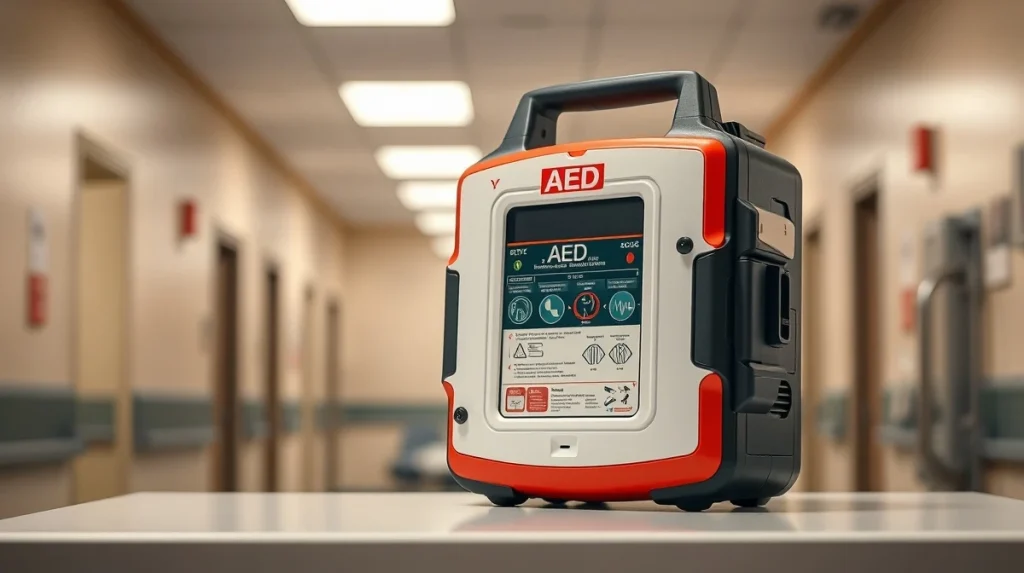
Global demand for life-saving cardiac equipment is accelerating, with the defibrillator market positioned for significant expansion through the end of the decade. According to recent market analysis, this critical sector is projected to reach a valuation of USD 16.44 billion by 2030. This growth trajectory is fundamentally linked to the escalating global burden of cardiovascular diseases (CVDs), which remain the leading cause of mortality worldwide. Concurrently, rapid technological innovation, increased public access initiatives, and supportive regulatory frameworks are creating a robust environment for market development. The integration of smart features and connectivity in these devices is further transforming emergency cardiac response, both inside and outside hospital walls.
Defibrillator Market Drivers and Product Segmentation
The expansion of the defibrillator market is not occurring in a vacuum. It is directly fueled by several powerful, interconnected factors. Primarily, the rising incidence of cardiac arrests and arrhythmias, exacerbated by aging populations and lifestyle-related risk factors, creates a continuous clinical need. Furthermore, heightened public awareness about sudden cardiac arrest (SCA) and the critical importance of early defibrillation has spurred training programs and legislation for AED placement in public spaces like airports, schools, and sports arenas. Governments and health organizations worldwide are actively promoting these public access defibrillation (PAD) programs, recognizing that immediate intervention can dramatically improve survival rates.
Also read: M Series ANC Token Presale Launches with Detailed Vesting
The market is broadly segmented by product type, each serving distinct clinical settings and patient needs. Implantable Cardioverter Defibrillators (ICDs) are surgically placed devices that continuously monitor heart rhythm and deliver shocks to correct life-threatening arrhythmias. They represent a cornerstone of treatment for high-risk patients. The external defibrillator segment is further divided into several key categories:
- Automated External Defibrillators (AEDs): Designed for use by laypersons and first responders, these user-friendly devices analyze heart rhythm and advise a shock only if necessary.
- Wearable Cardioverter Defibrillators (WCDs): Non-invasive vests worn by patients at temporary risk of SCA, offering protection during evaluation periods or while awaiting ICD implantation.
- Manual Defibrillators: Used by trained medical professionals in hospitals and ambulances, offering full manual control over energy delivery and synchronization.
End-User Analysis and Regional Adoption Trends
Hospitals and clinics currently constitute the largest end-user segment for defibrillators, driven by high patient volume, critical care requirements, and the need for advanced manual and monitor-defibrillator units. However, the homecare settings segment is anticipated to exhibit the highest growth rate in the coming years. This trend is propelled by the increasing preference for remote patient monitoring, the growing population of elderly patients with chronic heart conditions, and the development of more compact, consumer-friendly AED models designed for home use. Specialized cardiac centers also represent a significant market, often utilizing the latest advanced technologies for diagnosis and treatment.
Also read: Pepeto Presale Attracts Investor Interest Amid Meme Coin Rally
From a geographical perspective, North America has historically held the largest market share, supported by advanced healthcare infrastructure, high healthcare expenditure, and strong regulatory guidelines from the U.S. Food and Drug Administration (FDA). Meanwhile, the Asia-Pacific region is expected to register the highest compound annual growth rate (CAGR). This accelerated growth is attributable to improving healthcare access in populous nations, rising medical tourism, increasing healthcare investments, and growing local awareness of cardiac health. Europe maintains a strong market presence, guided by standardized regulations and widespread public AED initiatives.
Technological Innovation as a Core Growth Engine
Innovation remains the primary engine propelling the defibrillator market forward. Modern devices are increasingly incorporating connectivity features, allowing them to transmit patient data directly to healthcare providers for remote monitoring and faster clinical decision-making. The integration of cardiopulmonary resuscitation (CPR) feedback technology in AEDs guides rescuers on compression rate and depth, improving the quality of emergency care. Additionally, manufacturers are focusing on enhancing battery life, reducing device size and weight, and improving electrode pad technology for more effective energy delivery. Research into subcutaneous ICDs (S-ICDs), which do not require leads to be placed inside the heart, represents another significant advancement, potentially reducing certain long-term complications.
The competitive landscape features several established global medical technology companies alongside specialized device makers. Competition centers on product reliability, technological features, clinical evidence, training support, and cost-effectiveness. Regulatory approvals from bodies like the FDA, CE marking in Europe, and other national agencies are critical hurdles that shape market entry and product development cycles. The table below outlines key product differentiators in the current market landscape.
| Product Type | Primary Users | Key Technological Trend |
|---|---|---|
| Implantable (ICD/S-ICD) | High-risk patients under clinical care | Leadless designs, enhanced diagnostics |
| Automated External (AED) | Laypersons, first responders | CPR feedback, connectivity, durability |
| Wearable (WCD) | Patients at temporary risk | Improved comfort, long-term monitoring |
| Manual & Advanced | Hospitals, paramedics | Multi-parameter monitoring, integration |
Conclusion
The projected growth of the defibrillator market to USD 16.44 billion by 2030 underscores a critical convergence of clinical need, public health initiative, and technological progress. As cardiovascular disease prevalence continues to challenge global health systems, these devices stand as essential tools in the chain of survival. The market’s evolution—marked by smarter, more connected, and more accessible devices—promises to improve outcomes for cardiac patients across diverse settings, from intensive care units to community spaces and private homes. Ultimately, the expansion of this market reflects a broader commitment to enhancing emergency response and saving lives threatened by sudden cardiac arrest.
FAQs
Q1: What is the main factor driving the growth of the defibrillator market?
The primary driver is the high and rising global prevalence of cardiovascular diseases, coupled with increasing awareness of the importance of rapid defibrillation for survival after sudden cardiac arrest. Technological advancements and supportive public access policies are also major contributors.
Q2: What is the difference between an ICD and an AED?
An Implantable Cardioverter Defibrillator (ICD) is surgically implanted inside a patient’s body to automatically detect and treat dangerous heart rhythms. An Automated External Defibrillator (AED) is a portable device used by bystanders or first responders to deliver a shock through the chest wall to a person experiencing cardiac arrest.
Q3: Which segment of the defibrillator market is growing the fastest?
The homecare settings segment is projected to see the highest growth rate, fueled by an aging population, increased focus on remote patient management, and the development of user-friendly AEDs designed for home use.
Q4: How is technology changing modern defibrillators?
New defibrillators increasingly feature connectivity for data transmission, real-time CPR feedback mechanisms to guide rescuers, longer-lasting batteries, and more sophisticated monitoring capabilities. Research is also advancing leadless and subcutaneous implantable options.
Q5: Why is the Asia-Pacific region a high-growth area for this market?
The Asia-Pacific region is experiencing rapid growth due to its large population, improving healthcare infrastructure, rising investments in medical technology, growing awareness of cardiac health, and increasing incidence of lifestyle-related heart disease risk factors.

This article was produced with AI assistance and reviewed by our editorial team for accuracy and quality.