Crypto Market Structure Markup Faces Critical Delay as Winter Storm Halts SEC-CFTC Meeting in Washington
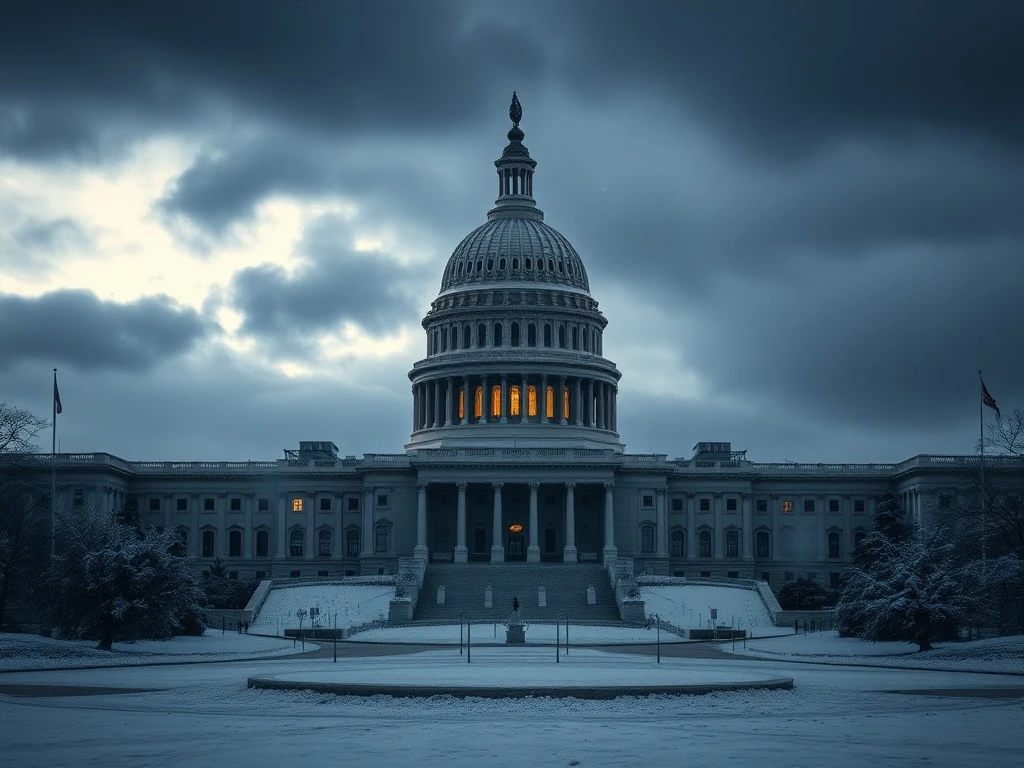
WASHINGTON, DC — January 2025 — A massive winter storm has frozen not just the capital’s streets but also the advancing machinery of cryptocurrency regulation, forcing US government officials to postpone two critical events that could shape the future of digital asset markets. The Senate Agriculture Committee has delayed its markup of the important Digital Commodity Intermediaries Act, while the Securities and Exchange Commission (SEC) and Commodity Futures Trading Commission (CFTC) have rescheduled their high-profile joint meeting on oversight harmonization, creating uncertainty about the legislative timeline for clear crypto rules.
Crypto Market Structure Legislation Pushed Back Amid Weather Emergency
The Senate Agriculture Committee confirmed on Monday that it would postpone its scheduled markup session for the Digital Commodity Intermediaries Act from Tuesday to Thursday. This legislative proposal represents the committee’s comprehensive attempt to establish definitive regulatory parameters for the CFTC’s authority over digital commodities. Committee Chair John Boozman’s spokesperson cited logistical challenges caused by the severe weather system that blanketed Washington, DC, with ice and snow over the weekend.
Also read: Rootstock Staking Unlocks Bitcoin Yield: How Passive BTC Becomes Active Network Backing
Consequently, treacherous road conditions and widespread government office closures made the original schedule impractical. This delay marks the second significant postponement for crypto market structure legislation in recent weeks. Previously, Republican leadership in the Senate Banking Committee canceled its markup of a similar bill indefinitely following public criticism from Coinbase CEO Brian Armstrong, who stated the exchange could not support the legislation as drafted.
SEC-CFTC Crypto Oversight Meeting Also Rescheduled
Simultaneously, the CFTC announced a two-day delay for its joint event with the SEC, moving the vital discussion from Tuesday to Thursday. CFTC Chair Michael Selig and SEC Chair Paul Atkins plan to address “harmonization between the two agencies” regarding digital asset oversight. This meeting holds substantial importance for market participants who have long advocated for clearer jurisdictional boundaries between the agencies.
Also read: Bitcoin Price Prediction: PlanB's Defiant Analysis Says the Top Is Not In
Regulatory clarity remains a persistent challenge for cryptocurrency businesses operating in the United States. The table below illustrates the current division of regulatory responsibilities:
| Agency | Primary Crypto Focus | Key Regulatory Tools |
|---|---|---|
| Securities and Exchange Commission (SEC) | Investment contracts, securities tokens, exchanges | Securities Act of 1933, Securities Exchange Act of 1934 |
| Commodity Futures Trading Commission (CFTC) | Commodity tokens, derivatives, spot markets (secondary) | Commodity Exchange Act, anti-fraud authority |
Industry observers note that effective collaboration between these agencies could reduce regulatory arbitrage and create a more stable environment for innovation. However, the weather-induced delay temporarily suspends progress toward that objective.
Legislative Context and Political Dynamics
The postponed markup occurs within a complex political arena. Senate Democrats have proposed several amendments to the market structure bill, including ethics provisions that would restrict political candidates from engaging with digital assets. Senator Michael Bennet introduced an amendment incorporating elements from the Digital Asset Ethics Act, specifically targeting potential conflicts of interest and foreign interference concerns.
Key amendments under consideration include:
- Ethics restrictions for individuals running for Congress or the White House
- Disclosure requirements for officials with cryptocurrency investments
- Foreign ownership limitations for certain digital asset intermediaries
- Consumer protection enhancements for retail participants
To advance from committee to a full Senate floor vote, the legislation will likely require bipartisan support. However, the broader congressional agenda faces additional pressure from impending government funding deadlines. Many analysts speculate that a potential government shutdown at the end of January could further delay cryptocurrency legislation, creating extended uncertainty for market participants.
Weather Impact on Government Operations and Regulatory Timeline
The winter storm that prompted these delays caused significant disruption across the Eastern United States. Washington, DC, experienced power outages, flight cancellations, and hazardous travel conditions. Local reports described “treacherous road conditions” that prevented normal government operations. Most District schools and many federal offices remained closed on Monday, creating a domino effect on scheduled hearings and meetings.
Weather-related delays in financial regulation are not exceptional. Historically, severe weather events have postponed Federal Reserve announcements, Treasury Department reports, and congressional hearings. However, the timing presents particular challenges for cryptocurrency regulation, which already operates within an accelerated technological development cycle. Each delay potentially extends the period of regulatory ambiguity that many industry leaders argue hinders responsible innovation and consumer protection.
Market Implications and Industry Response
The regulatory postponements occur as cryptocurrency markets demonstrate renewed institutional interest. Major financial firms continue developing digital asset products despite the uncertain regulatory environment. Clear legislation could potentially accelerate institutional adoption by providing definitive compliance frameworks. Conversely, prolonged ambiguity might encourage regulatory arbitrage, where businesses seek jurisdictions with more established rules.
Industry representatives have expressed cautious understanding regarding the weather-related delays while emphasizing the importance of maintaining legislative momentum. The Digital Commodity Intermediaries Act represents one of the most comprehensive attempts to date to create a functional regulatory structure for digital assets that are not classified as securities. Its provisions aim to establish:
- Registration requirements for digital commodity intermediaries
- Consumer protection standards for trading and custody
- Market surveillance mechanisms to prevent manipulation
- Capital and liquidity requirements for service providers
Historical Parallels in Financial Regulation
Delays in financial legislation due to external events have historical precedents. The Dodd-Frank Wall Street Reform and Consumer Protection Act experienced multiple postponements during its development following the 2008 financial crisis. Similarly, the implementation of the Sarbanes-Oxley Act faced scheduling challenges after its passage. Regulatory experts note that while delays can frustrate stakeholders, they sometimes allow for more thorough consideration of complex provisions.
In the cryptocurrency context, additional time might enable legislators to address emerging concerns about:
- Decentralized finance (DeFi) protocols and their regulatory treatment
- Stablecoin issuance and reserve requirements
- Custody solutions for institutional investors
- Cross-border regulatory coordination challenges
The SEC-CFTC meeting delay specifically impacts interagency coordination efforts that began intensifying in 2024. Both agencies have increased their digital asset enforcement activities while acknowledging the need for clearer jurisdictional boundaries. A harmonized approach could reduce duplication of efforts and provide more consistent guidance to market participants.
Conclusion
The winter storm delay of crypto market structure legislation and the SEC-CFTC harmonization meeting represents a temporary pause in Washington’s evolving approach to digital asset regulation. While weather-related postponements are understandable, they extend the period of regulatory uncertainty that has characterized cryptocurrency markets for years. The rescheduled events this Thursday will now carry additional significance as indicators of legislative seriousness and interagency cooperation. Market participants will watch closely whether the delayed crypto market structure markup can maintain momentum amid competing political priorities and potential budget negotiations, as the path forward for comprehensive digital asset regulation remains weather-dependent in both literal and metaphorical senses.
FAQs
Q1: What is the Digital Commodity Intermediaries Act?
The Digital Commodity Intermediaries Act is proposed legislation from the Senate Agriculture Committee that aims to establish clear regulatory authority for the CFTC over digital commodities. It would create registration and operational requirements for cryptocurrency intermediaries that are not classified as securities.
Q2: Why was the SEC-CFTC meeting on crypto oversight delayed?
The joint SEC-CFTC meeting was delayed due to a severe winter storm that hit Washington, DC, causing treacherous travel conditions and government office closures. The meeting has been rescheduled for Thursday to discuss harmonization between the two agencies on digital asset regulation.
Q3: How do weather delays affect cryptocurrency regulation?
Weather delays postpone legislative and regulatory proceedings, extending periods of uncertainty for market participants. They can also create scheduling conflicts that push important discussions further into crowded congressional calendars, potentially affecting the timing of final legislation.
Q4: What amendments are being proposed to the crypto market structure bill?
Senators have proposed approximately 11 amendments, including ethics provisions from the Digital Asset Ethics Act that would restrict political candidates from digital asset engagement, disclosure requirements for officials, foreign ownership limits, and enhanced consumer protections.
Q5: Could a government shutdown further delay cryptocurrency legislation?
Yes, if lawmakers cannot agree on funding bills by the end of January, a government shutdown would likely suspend non-essential legislative activities, potentially delaying advancement of crypto market structure legislation and other financial regulatory initiatives.

This article was produced with AI assistance and reviewed by our editorial team for accuracy and quality.